A white Ford Bronco, a slow chase on an LA freeway and a memory that can’t be erased

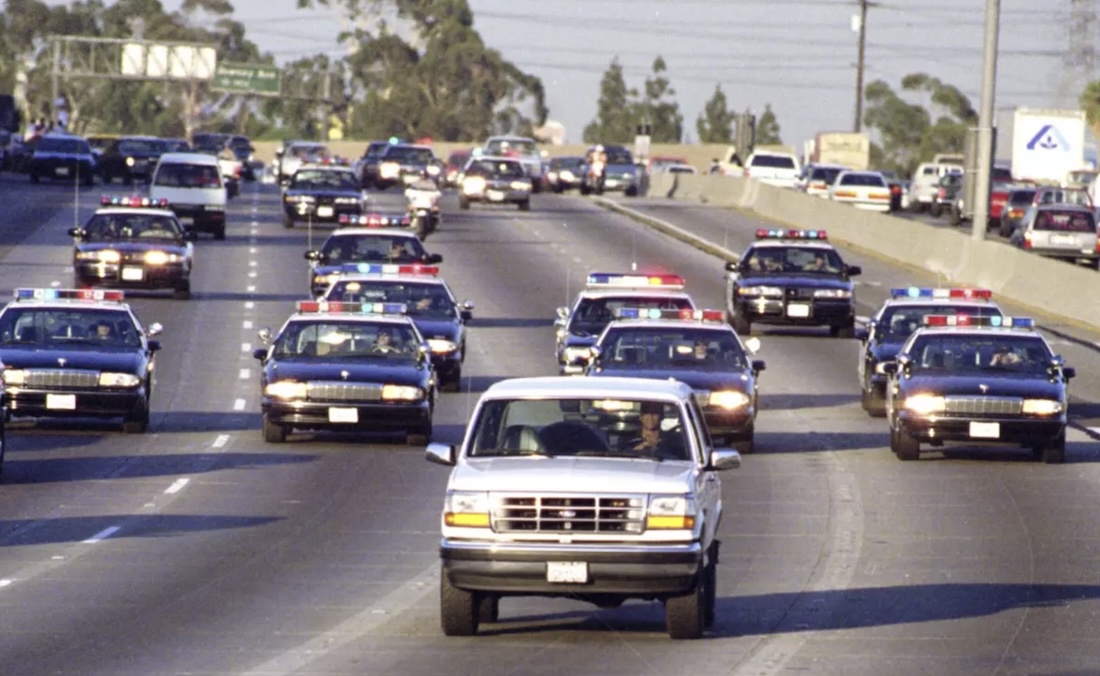
OJ Simpson car chase as seen on an LA freeway on June 17, 1994. LA Times photo

As I’m writing these words, it is the evening of June 17, 2025.

Do you remember exactly where you were 31 years ago, on June 17, 1994? I know where I was, because that’s the day of the infamous OJ Simpson ‘slow chase’ in the white Ford Bronco.

In case you are hazy on that event of three decades ago, authorities wanted to talk to OJ about the stabbing deaths of his ex-wife, Nicole Simpson, and her friend Ronald Goldman.

Maybe I should help you remember that OJ Simpson was a former record-setting running back with the Buffalo Bills of the NFL following an incredible college career at Southern Cal.

Anyway, OJ was supposed to turn himself to police in connection with the deaths in earlier in the day.

But late that afternoon he ended up in the Bronco driven by his friend Al Cowlings. Police suspected he was in that vehicle because he hadn’t shown up and Cowlings was his friend.

Strangely, though, Cowlings actually called police from the car and told them that OJ was in the back seat with a gun threatening suicide. Dozens of police cars pursued on an LA freeway, chasing at the breakneck speed of approximately 45 mph.

People lined freeway overpasses to wave and cheer OJ on.

The ordeal ended after 90 minutes when Cowling drove the Bronco back to OJ’s house, and OJ eventually gave himself up. 

Here’s a link to an LA Times story on how it all went down.

So, why is that such a vivid memory for me?

Well, my wife and I were in St. Louis on June 17. We went to a St. Loius Cardinals’ game that evening and got back to our hotel about 10 pm, dripping in sweat from a hot, humid night at the ballpark.

We were wiped out, ready for a shower and lights out. But we got pulled into the OJ chase when we clicked the television on.

Each of us was mesmerized, our eyes glued to the screen as the car drove along the freeway and eventually to OJ’s house, all broadcast nationwide on live TV.  

Before that night, we had kept track of developments in Nicole Simpson’s murder and knew that OJ was allegedly in Chicago at the time, but a suspect.

Paula and I had discussed the case earlier in the day and we hoped that OJ had nothing to do with it because he seemed like such a likable person.

I can no longer remember who the Cardinals played that night.

But I can still see that white Ford Bronco slowly driving down an LA freeway with dozens of police cars giving chase.

It was memory that can’t be erased.

BONUS CONTENT: I looked it up and the Cardinals lost 7-4 that night to the Pirates. Game time temperature was 90.  Humidity 110 percent (writer’s embellishment).
 

MLB’s existential dilemma — why sharing the wealth for the Greater Good can save the game

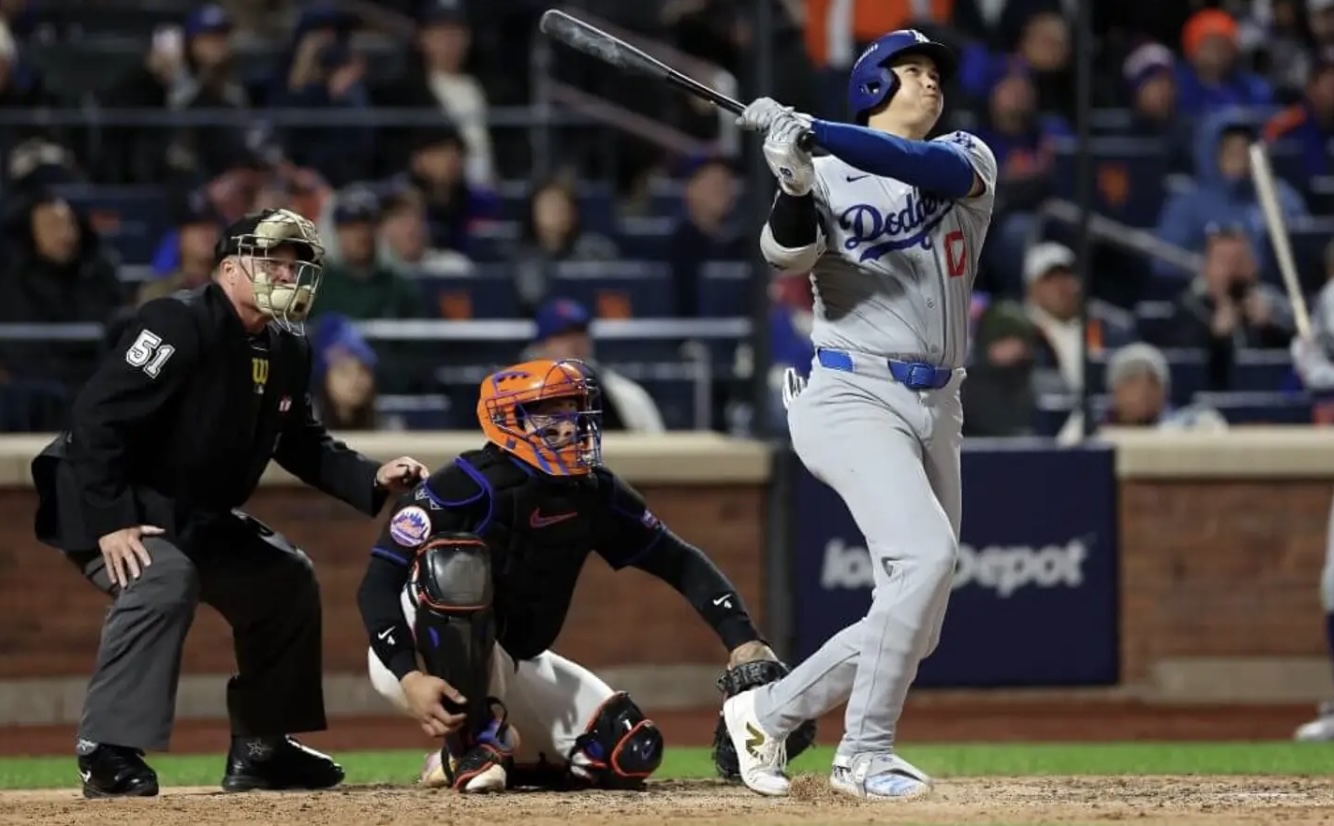
MLB’s brightest star, Shohei Ohtani of the Los Angeles Dodgers

As a longtime listener to the Dan Patrick radio show, I was incensed a couple years ago when I heard Dan say that Major League Baseball is no longer a national sport.

“It’s more of a regional sport today,” he said.

Dan followed up by saying that certain cities — St. Louis, Los Angeles, New York come to mind — have large fanbases, but that doesn’t translate into national interest in the game.

Plus, at that time baseball had no one player that had a national or global presence like, say, a LeBron James or Patrick Mahomes.

After I got over my initial righteous indignation, I came around to what Dan was saying about MLB. National ratings have slumped badly over the past couple of decades as young fans have put their focus on the NFL and NBA.

I couldn’t think of a single player that could command the attention of fans nationwide like LeBron or Mahomes.  Shohei Ohtani may be the closest baseball player to a true global superstar.

I’ve written about this before, but my sports passion has always been with baseball, first as a Little Leaguer and later as a fan of the St. Louis Cardinals and Texas Rangers.

Still, it’s clear that baseball, with its slow pace and not-made-for-TV presence — you can’t see all the players at once — has clearly been surpassed by the NFL and NBA.

So, when ESPN announced it would opt out of its MLB rights deal after the 2025 season, I was disappointed by not surprised. ESPN has been struggling with its viewership, too, and it is much more focused on NFL and NBA.

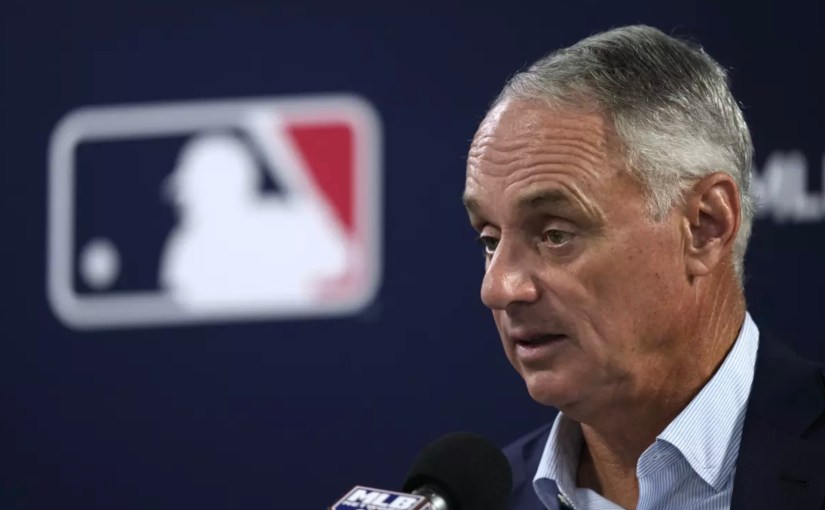
I was puzzled at how MLB Commissioner Rob Manfred planned to replace the ESPN revenue shared by all teams. What network would want to pay hundreds of millions to broadcast baseball and create surrounding programming?

MLB commissioner Rob Manfred

Turns out, Manfred DOES have a plan, according to the Wall Street Journal article. In a lengthy and comprehensive article, the WSJ outlined the commissioners proposed scenario that appears to be a long shot.

Said the Journal:

“Manfred’s model would require teams to cede control of their local rights to the league office so that MLB could sell them collectively as a unified streaming package. Viewers would be able to purchase the games of teams they want to see without the blackouts that have long vexed devotees who actually live near where their favorite team plays.

“No cable subscription would be required. Revenue would be distributed among all teams, like it already is for national deals with Fox and Warner Bros. Discovery.

“The change that we’re talking about,” Manfred said in an interview, “is the only rational response to where the media market is today.”

There’s a huge problem with that plan.

MLB teams don’t share their local revenue with their baseball counterparts. Teams in Los Angeles, New York, Boston and Chicago all generate massive amounts of revenue through their local TV rights and are reluctant to give up any of that revenue for the Greater Good.

According to the WSJ, MLB teams lean on their local broadcast revenue more heavily than their NFL and NBA counterparts. Those sports have much larger national TV deals, and share the revenue across the league.

More from the WSJ:

“Cubs president Crane Kenney said in a recent interview at the team’s spring training facility last week in Mesa, Ariz., that his team would be willing to go along with a new TV model — as long as it accounts for his organization’s status as one of baseball’s highest-revenue teams.

“Treat us fairly,” Kenney said, “and we’re in.”

There’s little incentive for the big players to share their local broadcast revenue with their MLB brothers, unless they truly are concerned with the overall national decline of interest in the game. If a few teams folded, that might get their attention.

However, I can’t see the big market teams sharing their wealth with their small market counterparts — even if it helps sustain the sport.

This is 2025 America. Who does anything for the Greater Good?

The Populous impact on OKC sports venues & my friend, Brady Spencer

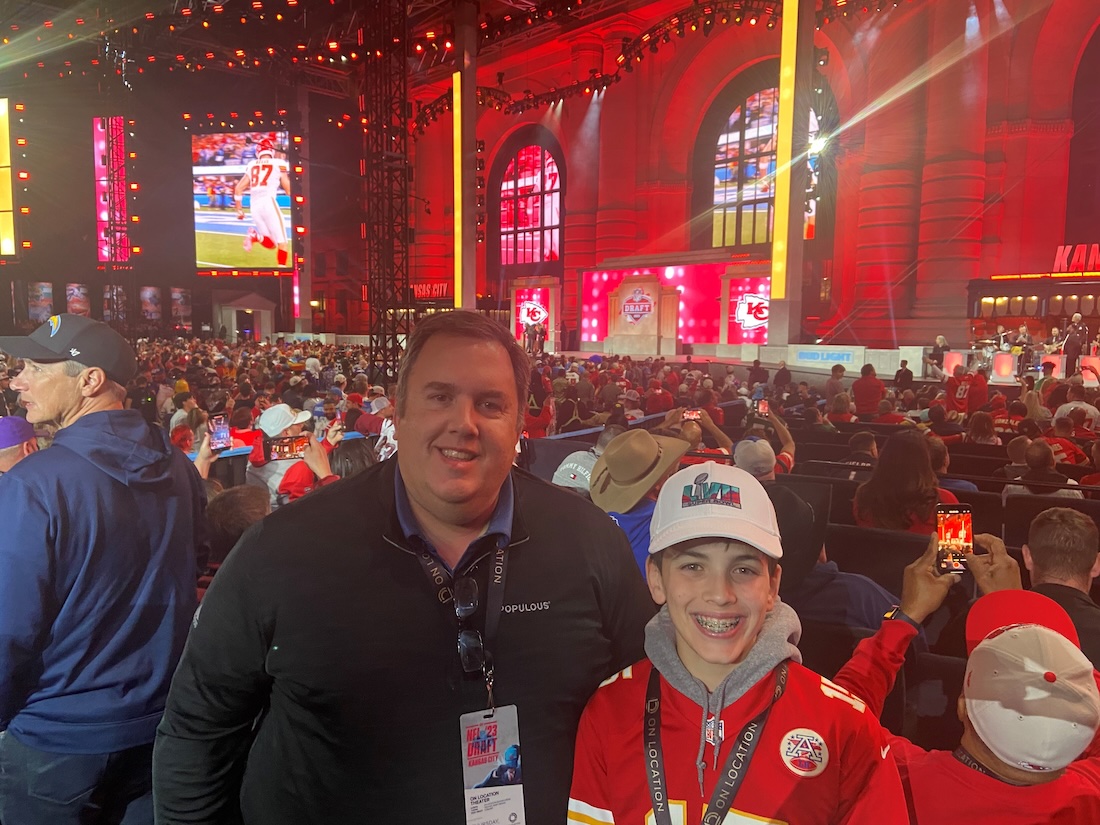
Brady and John
Brady Spencer with his son, John, outside Kansas City’s Union Station during the 2023 NFL draft.

A recent update in The Oklahoman newspaper on the new OG&E Coliseum under construction at the State Fairgrounds identified it as a venue designed by a firm named “Populous.

In an even more recent story, I learned that Populous has been hired to design the new $71 million soccer stadium just south of OKC’s Bricktown.

I think I’m noticing a trend.

There’s more.

I learned from other sources that Populous designed the fabulous OKC Convention Center, which opened in 2020. And Populous was hired to design Paycom Center’s upgrades in 2022.

Populous also is among the candidates to design OKC’s new $1 billion(ish) arena that will soon be built on the site of what was once known as The Myriad. It’s right across the street from Paycom Center.

So, what exactly is Populous?

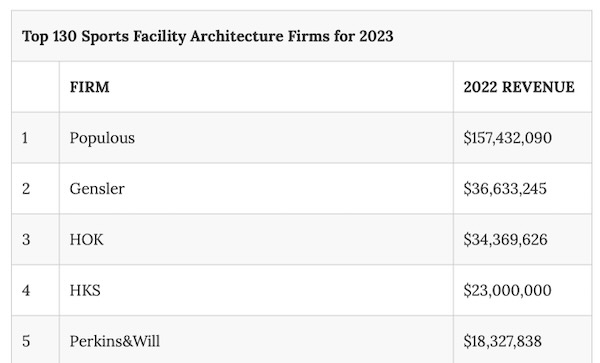
Turns out, it is an international architecture firm and the nation’s leading (by revenue) sports architecture company, based in Kansas City, Mo.

Screenshot

Populous has satellite offices around the world — including Norman, OK — and boasts a portfolio of more than 3,000 projects globally, including Wembley Stadium, T-Mobile Arena, Oriole Park at Camden Yards and many others.

Actually, Populous has been on my personal radar for quite some time because a close family friend named Brady Spencer is a Senior Principal/Senior Architect with the firm in its Kansas City office.

Some background:

I moved to Mena, Ark., in the summer of 1972, a year out of high school, and became acquainted with Greg and Lynelle Spencer.

At a banquet in the fall of 1972, they told me they were expecting their first child, who turned out to be Brady. They have another adult son, Matthew, who lives in Georgia.

The Spencers relocated to Springdale, Ark., when Brady was in the fourth grade, so most of his youth was spent in Northwest Arkansas. I stayed in touch with the Spencer family across the years.

So, after seeing the Populous-OKC link, I decided to call Brady and ask him about his career and role with Populous.

An avid fan of University of Arkansas sports as a child — “I remember going to Razorback football games with Dad” — Brady naturally enrolled at the Fayetteville school after high school.

Brady majored in architecture and graduated from the University of Arkansas School of Architecture in 1996. He told me that he began contemplating post-graduation employment and location in the fourth year of the five-year architectural program.

Brady settled on Kansas City and joined what was then known as HOK-Sports in 1996. He’s been with the firm ever since, although it evolved into Populous in 2009 when he and a group of fellow HOK architects spun out into their own company they called Populous.

“This last May was my 28th anniversary with the firm,” he told me.

Along the way, Brady married (Joanie), had a son (John), earned a Master of Architecture Management from the University of Kansas and has been on the design team for some of the nation’s most notable sports venues.

Among them have been NRG Stadium in Houston, State Farm Stadium in Phoenix, Arrowhead Stadium renovation in Kansas City, Raymond James Stadium in Tampa, Fla., and many others.

“I’ve focused on NFL stadiums and some college football,” Brady said. “I’ve worked with our Populous Event team that partners with the NFL on (venue oversight for) 21 Super Bowls. It’s most rewarding doing it in a stadium that I designed.”

Back in 2009, his alma mater came calling for renovations and updates on facilities across the University of Arkansas campus, including Razorback Stadium. Brady is not only an alum, but football season ticket holder.

“That one was near and dear to my heart, having grown up there and gone to school there,” he said. “I was just there yesterday (Sept. 14) when John and I went to the Razorback game. It’s fun to see the stadium every time I go back to a game.”

While Brady Spencer has not been directly involved in any of the OKC projects — the Fairgrounds Arena, the OKC Convention Center, the Paycom Center renovations, the upcoming soccer venue — he told me he’s aware of the Populous role in all of them.

“The thing about all our projects, it’s not ever just one person,” he said. “It always takes a team of us to complete.”

I’d call that 28 years of institutional knowledge.

An ode to the word flavor of the month

Screenshot
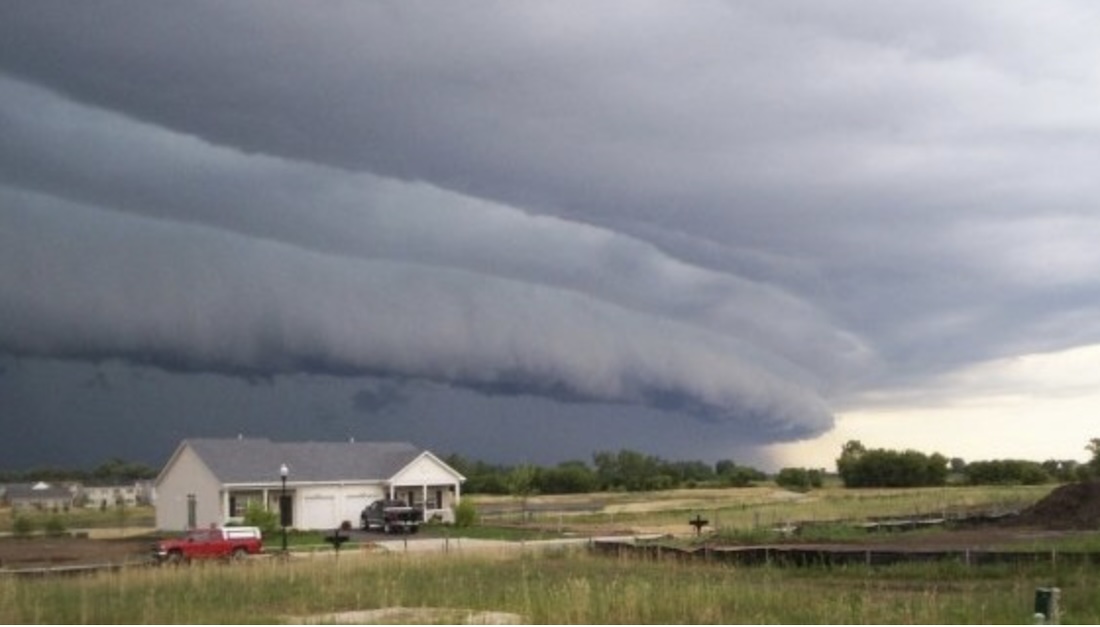
A ‘derecho,’ disguised as a big thunderstorm, is about to roll in. (National Weather Service photo)

Warning: Old Man rant ahead.

I’m not really a Get-Off-My-Lawn! guy, but sometimes things really bring out the Geezer in me. And chief of among them are hip new words or phrases that come into vogue out of nowhere.

Derecho, for instance. I’ve already debated this on the 3 Old Geezers podcast with my fellow cohost, whom I will call “Geezer Steve.” Steve argues that derecho has been in play for years and I just haven’t noticed.

I object to that, because it’s only in the last, maybe a year, that I ever saw or heard the word. And I consume a lot of media.

If you are like me and confused as to what a derecho is, think of it as a big thunderstorm. That’s what we called them back in my day.

“Wow, look at that line of clouds, I’m pretty sure a big thunderstorm is about to hit.”

But, nooo. Now it’s a derecho, defined as a widespread, long-lived wind storm that is associated with a band of rapidly moving showers or thunderstorms.

Although Geezer Steve has been sending me links to stories that make reference to derechos, I contend that it’s the word flavor of the month.

There are many others, of course. Let’s start with “haboob.” It’s a big sandstorm, and back in the day they were known as “sandstorms.”

Screenshot
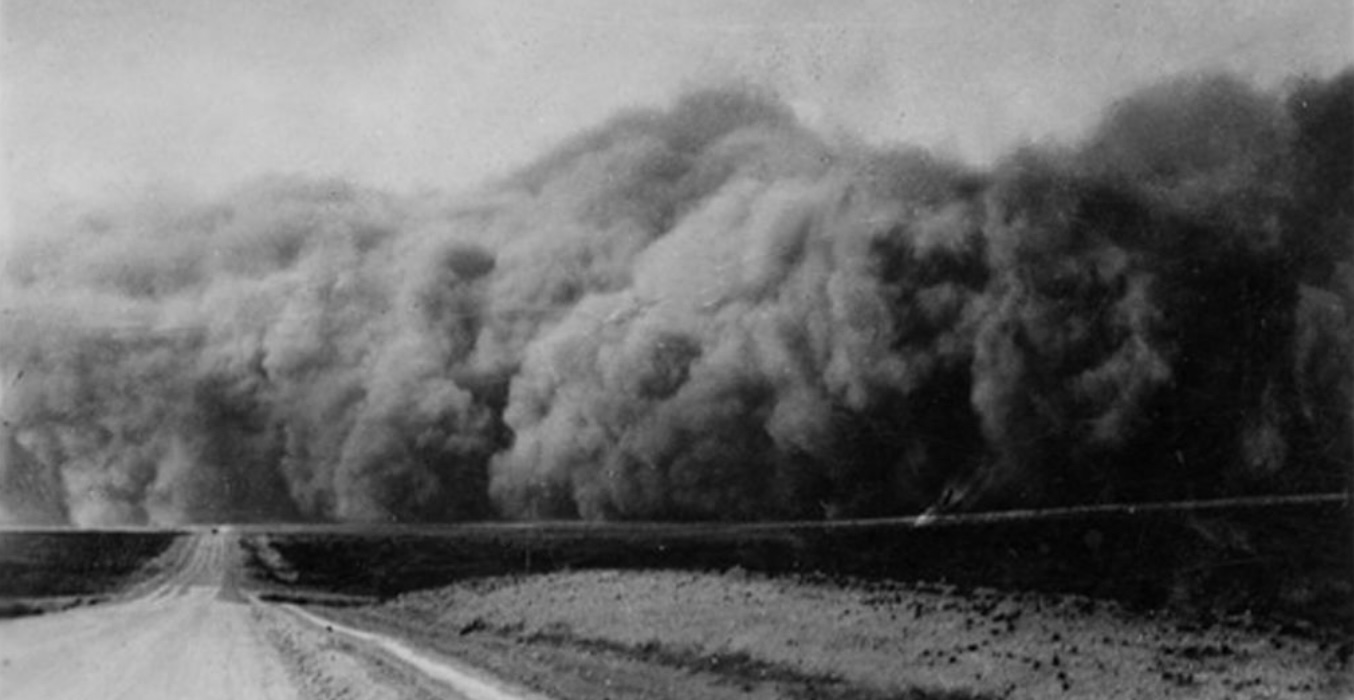
A sandstorm rolls into Guymon back on ‘Black Sunday,’ April 14, 1935

I wonder how many Western Oklahoma farmers during the Depression ran into their house shouting “there’s a haboob” about the hit? None.

See what I mean? Thunderstorms evolve into derechos and sandstorms become haboobs.

Want more? Bomb cyclone. Polar Vortex. Atmospheric river. Flash drought. I could go on all day.

It’s not all related to weather, of course. In the NFL, we have “edge rushers,” when in the old days we had defensive ends. In baseball, it’s all about launch angles today.

In popular culture, we’ve got FOMO and ghosting and Finstas and Karens and Stans and on and on.

When you’ve reached the Old Man stage like I have, there’s so much to get riled up about. And one of them is KEEPING THOSE PESKY KIDS OFF MY LAWN.

So, I’m headed outside to police my neighborhood and keep an eye out for a dreaded derecho.

Damar Hamlin: ‘We don’t get to choose our calling’

Damar players
Players huddle in prayer for Buffalo Bills defensive back Damar Hamlin after he collapsed on the field in January. (New York Times photo)

We’ve all experienced moments in our lives that are burned into our memories, and we’ll always remember exactly where we were when we witnessed it or heard the news.

The Twin Towers. John Lennon’s death. The Kennedy Assassination.

On Jan. 2 of this year, millions of Americans watched as Buffalo Bills defensive back Damar Hamlin made a tackle in an NFL game vs. the Cincinnati Bengals, stood up, then collapsed on the field.

My wife and I were among those who witnessed it, watching from our living room.

Damar lay motionless on the field as trainers and emergency personnel rushed to his side. I was struck by the reaction of the players, many of whom turned away and appeared to be in grief or in prayer.

Team and security personnel surrounded Damar and blocked any views by intruding network cameras or even his own teammates. Players on both teams gathered in a big prayer circle.

We feared the worst as the minutes passed. My wife speculated that he already could be dead, even though we didn’t know what had happened. Here’s a recap from the New York Times written a few days later.

Damar Hamlin had had a massive heart attack, and his heart stopped. The emergency personnel and training staff used defibrillators and brought him back to life, more than once, apparently. After many minutes, he was loaded into an ambulance and taken to a Cincinnati hospital.

We were as anxious as anyone else and silently praying for his life. We weren’t optimistic.

But you probably know the rest of the story. Damar escaped more near misses with death on the way to — and in — the hospital. Still, he grew stronger by the day and was released nine days later.

He continued to improve, and under doctor’s supervision began working out again and was eventually cleared to rejoin the team this summer.

Damar is again on the Bills roster and played his first minutes of action this past weekend.

Then he flew to Oklahoma City on Tuesday to share his story with an audience of about 1,000 Oklahomans at the annual Champions of Health Awards Presentations at the OKC Convention Center.

Champ Damar1
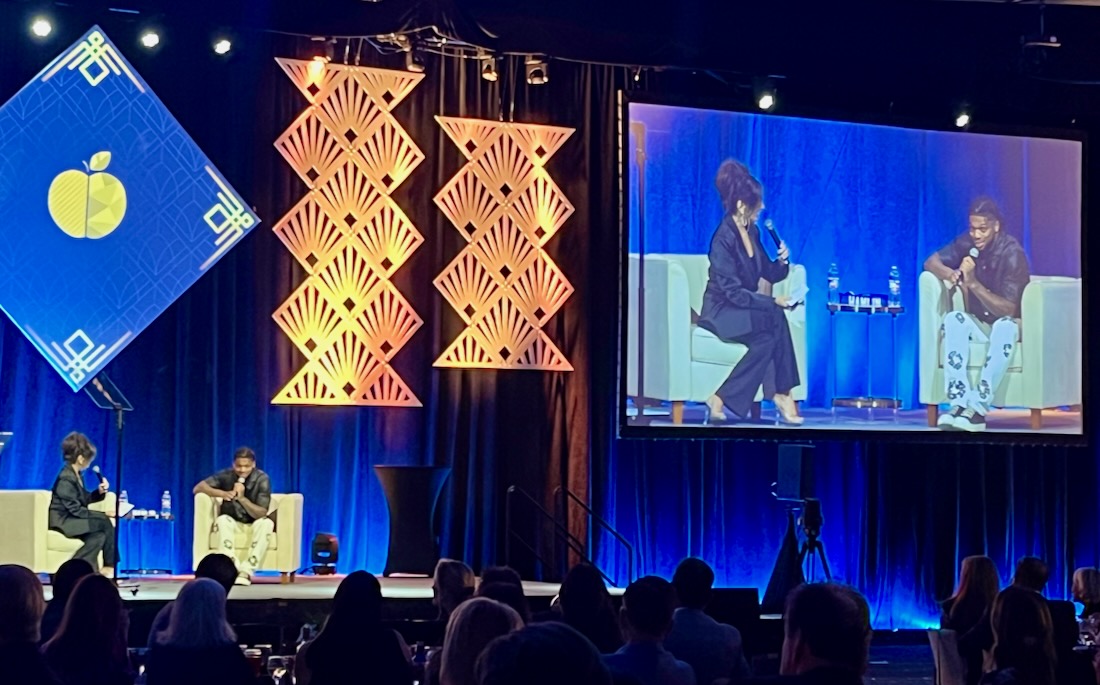
Damar Hamlin shares the stage with News9’s Robin Marsh during a ‘fireside chat’ at the Champions of Health Awards Presentations.

I had the good fortune to be in that OKC audience as an employee of Care Providers Oklahoma, one of 11 health care related organizations that comprise the Champions of Health Coalition. All are working to improve health outcomes for Oklahomans, and the Champions of Health Awards recognize organizations or individuals that have devised innovative programs that could be replicated in other communities.

Anyway, the highlight of the night was Damar Hamlin’s presence and the perspective he shared in a “fireside chat” with News9 TV personality Robin Marsh.  Check out the video that my CPO colleague Tanecia Davis shot of Damar speaking during the chat.

Robin introduced Damar and told him that millions of Americans had prayed for him that night from their living rooms, just as his teammates did on the field.

Soft spoken, Damar didn’t go into details of the incident, but instead focused on his mission since. Today, he’s working to ensure that the technology that saved his life is available by every sports team nationwide and that people are trained in CPR.

I was struck by one comment in particular by Damar about this mission.

“It’s kind of like a calling, & we don’t get to choose our calling,” he told us.

Amen.

Robin asked Damar about his youth and how he progressed from high school to college to the NFL. He shared the story of his personal journey, and something else stood out.

“I found a mentor,” he said. “I found someone who was older than me and successful and worked with them.”

Amen again.

I’m a big believer in cultivating a mentor and then following their example and advice. Although I never had a formal mentor, I’ve had some folks in my life who provided sage advice along the way.

Like millions of my fellow Americans, I’m so glad that Damar Hamlin survived this near death experience. Survived and emerged with his new mission, his calling.

And we don’t get to choose our calling.

BONUS! Read my blog post over at Care Providers Oklahoma website that provides more details about the Champions of Health Awards Presentations and winners.

February: 28 days of yuck

winter weather
This is cruel month of February, 28 forgettable days of cold and dark.

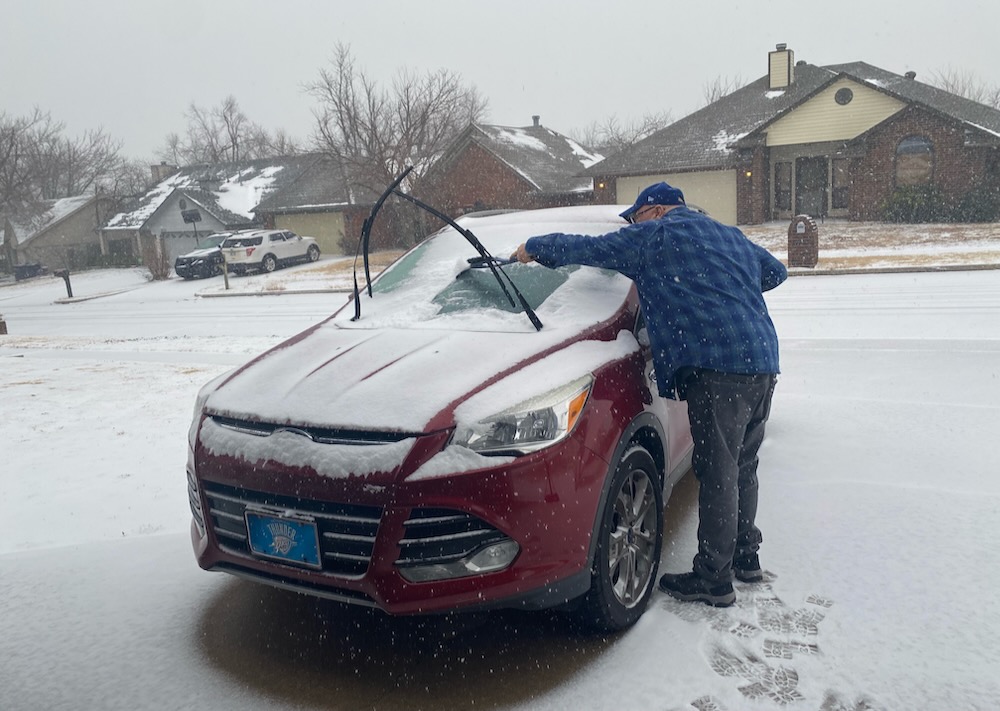
It was dark when I went out to get my paper off the driveway this morning — yes, I still get newsprint delivered to me every day — and noticed there was ice on the windshield of the car.

So, I decided I should pull the windshield wipers up so that they won’t be stuck in place in should I need to drive later in the day.

Big mistake.

The wipers clung to the windshield like the kid’s tongue to the flagpole in A Christmas Story. So the rubber squeegee part ripped into shreds. Arrgh!

All of which made me hate the month of February even more than normal.

In fact, as I brooded later, I decided to figure out which months of the year I dislike the most and why. Here’s what I came up with:

Most hated months from worst to first

No. 12: February — No explanation needed. See February 2021 for guidance.

No. 11: January — Other than a New Year’s Day holiday that gives us time to assess the damage Christmas spending caused us, January doesn’t offer much. Mostly cold and darkness with few redeeming values.

No. 10: November — We’re losing daylight and warmth, plus we’re plunging headfirst into the Christmas buying season. And Daylight Savings ends, throwing our internal clocks out of whack. Thanksgiving and the wonderful weekend of college football it brings is the only redemption.

No. 9: December: — I’ve told my wife for years that my favorite day of the year is December 26. Too much stress and pressure to enjoy Christmas properly. Redeeming value: days DO start inching longer with later sunsets after December 21.

No. 8: August: — Oppressive heat. Little rainfall. Only saved by baseball and the kickoff to the college football season late in the month.  Redemption comes only with rare temperature break or thundershower.

No. 7: July — See August. Oppressive heat. Little rainfall. Plus, Fourth of July fireworks drive our Chihuahua up a wall.  And KD dumped us on July 4th. Rarely do we get a break on temperatures or rainfall.  A bright side: Big vacation month, plus NFL training camp begins and MLB All-Star game.

No. 6: June — June brought so much promise as a kid. Weeks at my Grandparents’ house. Church camp. Lying in the grass and making images out of clouds. Now it means anticipating two full months of oppressive heat. See July and August.  However, June baseball holds my interest.

No. 5: May — Oppressive heat still not in full effect. Vacation season coming. Baseball season in full throttle. School ending. The lake beckons. Downside: Tornado season is in full bloom.

No. 4: March — Spring! We’re starting to see some warmth and daylight here. Baseball Spring Training fully under way. March Madness. We’re making the turn to a happier time. The bad news is the resumption of Daylight Savings, which throws our sense of time into disarray once again.

No. 3 September — NFL season kicks off, which means we have weekend days and nights covered by football. The oppressive heat breaks about the third week. Perfect outdoor walking weather. On the downside, days are noticeably shorter. And the State Fair, but I won’t hold that against the month.

No. 2: October — A glorious month, all in all. Football races shaping up. The World Series. NBA season tips off. Weather is cool but not cold. Leaves morph into beautiful colors, even here in central Oklahoma. Downside: winter’s coming.

No. 1: April — The absolute best month of the year. Opening Day. The Masters. Daily walks through the neighborhood. More daylight each day. The smell of a fresh mowed lawn. April showers. Warm weather with oppressive heat still a couple months away. Tell me what’s not to like