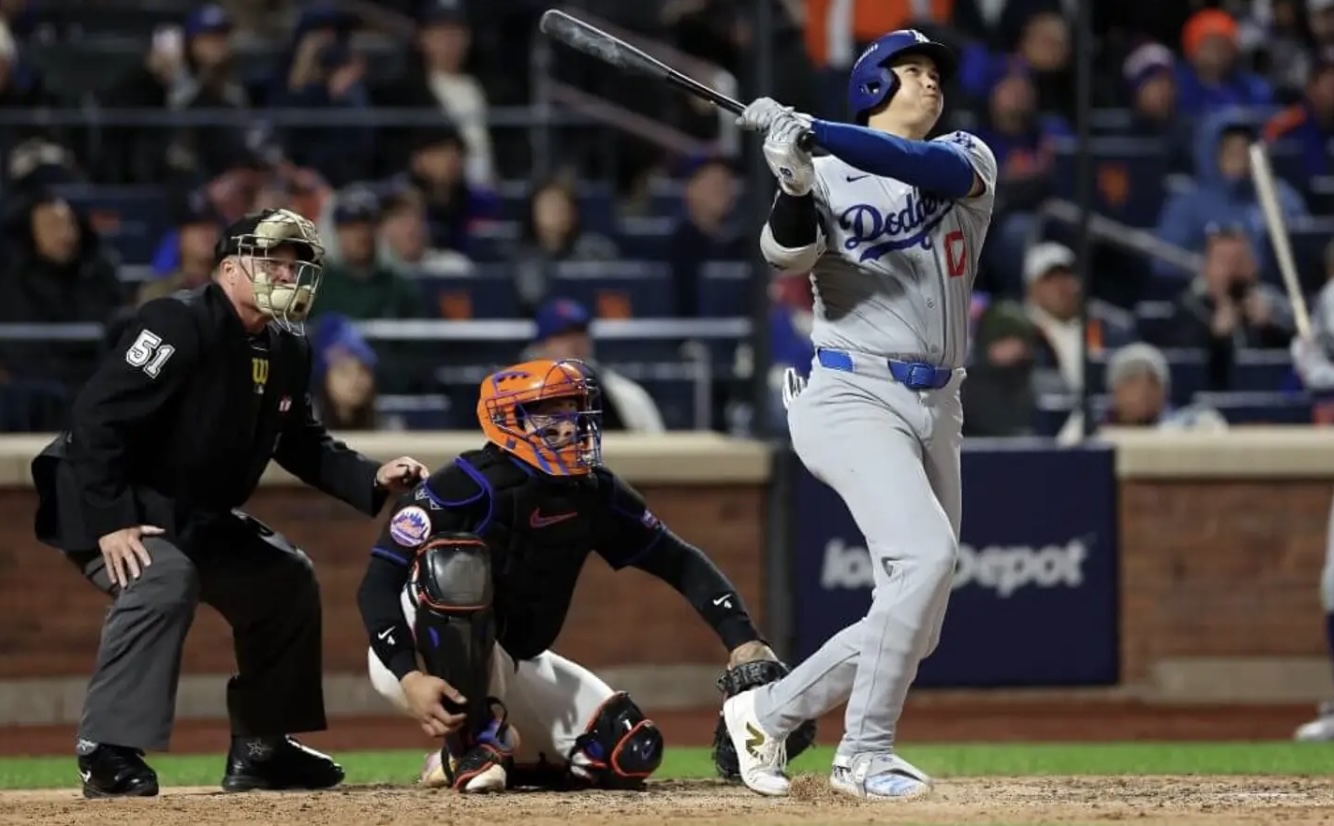
As a longtime listener to the Dan Patrick radio show, I was incensed a couple years ago when I heard Dan say that Major League Baseball is no longer a national sport.
“It’s more of a regional sport today,” he said.
Dan followed up by saying that certain cities — St. Louis, Los Angeles, New York come to mind — have large fanbases, but that doesn’t translate into national interest in the game.
Plus, at that time baseball had no one player that had a national or global presence like, say, a LeBron James or Patrick Mahomes.
After I got over my initial righteous indignation, I came around to what Dan was saying about MLB. National ratings have slumped badly over the past couple of decades as young fans have put their focus on the NFL and NBA.
I couldn’t think of a single player that could command the attention of fans nationwide like LeBron or Mahomes. Shohei Ohtani may be the closest baseball player to a true global superstar.
I’ve written about this before, but my sports passion has always been with baseball, first as a Little Leaguer and later as a fan of the St. Louis Cardinals and Texas Rangers.
Still, it’s clear that baseball, with its slow pace and not-made-for-TV presence — you can’t see all the players at once — has clearly been surpassed by the NFL and NBA.
So, when ESPN announced it would opt out of its MLB rights deal after the 2025 season, I was disappointed by not surprised. ESPN has been struggling with its viewership, too, and it is much more focused on NFL and NBA.
I was puzzled at how MLB Commissioner Rob Manfred planned to replace the ESPN revenue shared by all teams. What network would want to pay hundreds of millions to broadcast baseball and create surrounding programming?
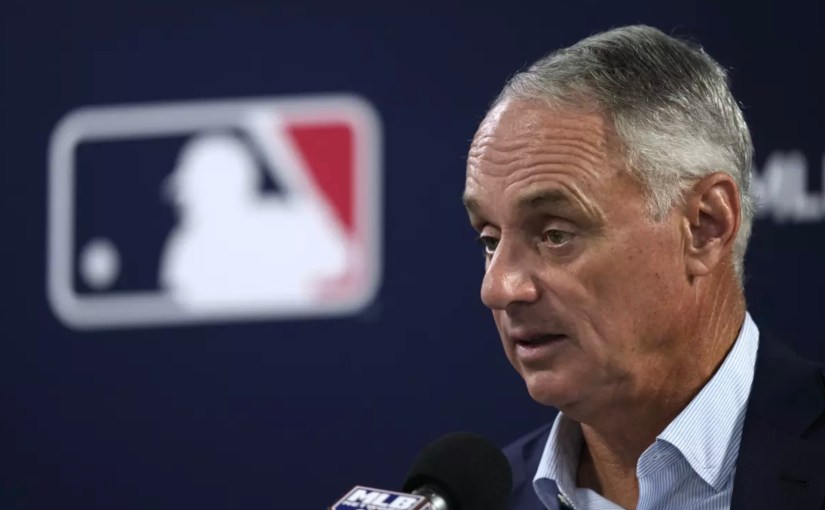
Turns out, Manfred DOES have a plan, according to the Wall Street Journal article. In a lengthy and comprehensive article, the WSJ outlined the commissioners proposed scenario that appears to be a long shot.
Said the Journal:
“Manfred’s model would require teams to cede control of their local rights to the league office so that MLB could sell them collectively as a unified streaming package. Viewers would be able to purchase the games of teams they want to see without the blackouts that have long vexed devotees who actually live near where their favorite team plays.
“No cable subscription would be required. Revenue would be distributed among all teams, like it already is for national deals with Fox and Warner Bros. Discovery.
“The change that we’re talking about,” Manfred said in an interview, “is the only rational response to where the media market is today.”
There’s a huge problem with that plan.
MLB teams don’t share their local revenue with their baseball counterparts. Teams in Los Angeles, New York, Boston and Chicago all generate massive amounts of revenue through their local TV rights and are reluctant to give up any of that revenue for the Greater Good.
According to the WSJ, MLB teams lean on their local broadcast revenue more heavily than their NFL and NBA counterparts. Those sports have much larger national TV deals, and share the revenue across the league.
More from the WSJ:
“Cubs president Crane Kenney said in a recent interview at the team’s spring training facility last week in Mesa, Ariz., that his team would be willing to go along with a new TV model — as long as it accounts for his organization’s status as one of baseball’s highest-revenue teams.
“Treat us fairly,” Kenney said, “and we’re in.”
There’s little incentive for the big players to share their local broadcast revenue with their MLB brothers, unless they truly are concerned with the overall national decline of interest in the game. If a few teams folded, that might get their attention.
However, I can’t see the big market teams sharing their wealth with their small market counterparts — even if it helps sustain the sport.
This is 2025 America. Who does anything for the Greater Good?
 I’m here today to write about the new social media platform, Threads. But first I have to talk about Twitter, because without the bird app, I’m pretty sure there would not be a Threads.
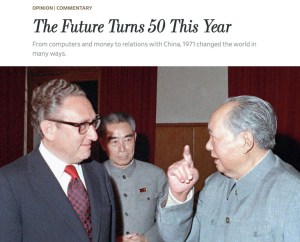 The Journal article pointed out that all of these events happened in a single year exactly 50 years ago.
 Jim Stafford's BlogOKC