Looking back at my BlogOKC favs of 2024

EDITOR’S NOTE: In what has become an annual column of its own, I look back over BlogOKC in 2024 and list my 10 favorite posts. Not most popular, but those that meant the most to me. I went back and forth, adding some then eliminating them, because each of them meant something to me. I hope you enjoy browsing the list and clicking on the headlines to read the full post. My list of personal favorites also includes a wonderful guest post by my friend, Don Mecoy. Enjoy!

Major League Baseball Commissioner Rob Manfred said the ‘Golden At-Bat’ is being discussed

Major League Baseball’s terrible, horrible, no good, very bad idea

Dec. 11

When I was a young would-be sports writer just out of college working for the Southwest Times Record newspaper in Fort Smith, Ark., my editor sent me out to cover the state small school baseball tournament.

I had not seen much high school baseball through the years, so I was caught by surprise by one particular rule the small schools played by.

It was called the “Courtesy Runner.”
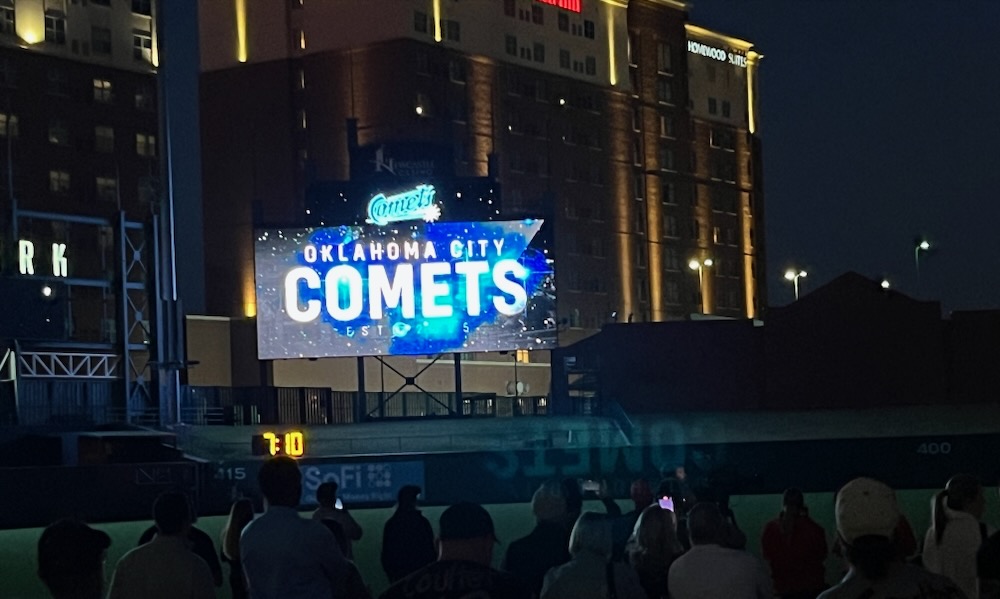
The Bricktown Ballpark scoreboard shows the team’s new name at reveal event.

What’s in a name? Apparently, a lot in OKC Baseball Club rebrand to ‘Comets’ … Or not much

Oct. 28

The Oklahoma City Baseball Club revealed its new name, “Comets,” in a ceremony Saturday evening at the Chickasaw Bricktown Ballpark witnessed by at least a couple thousand enthusiastic fans.

I was among those who showed up for the Big Reveal, so I can attest to the collective cheer that went up when the “Comets” name and logo appeared on the scoreboard screen.

I was not expecting “Comets,” although I’m not sure what I expected. Maybe “Flycatchers,” which my friend Ed Godfrey had predicted as the future team name. Or the “Waving Wheats” or something that related to Oklahoma.
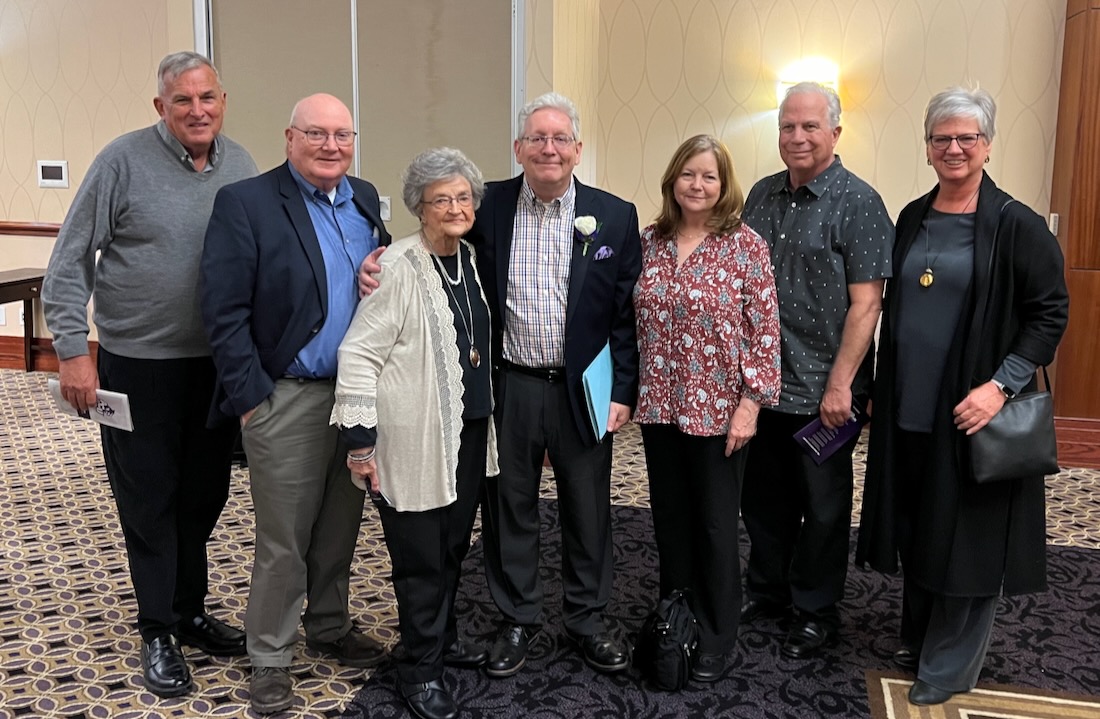
acu group
From left, Scott Kirk, Jim Stafford, Peggy Marler, Ron Hadfield, Corliss Hudson Englert, Brad Englert, Cheryl Mann Bacon

ACU Hall of Fame recognition for my friend Ron Hadfield … and a grand reunion

Oct. 22

Ron Hadfield is a long-time friend who was my student editor on the Abilene Christian University newspaper, The Optimist, in 1977. Ron recently was recognized with a Lifetime Achievement Award at the ACU Athletic Hall of Fame ceremony that I was privileged to attend.

I showed up on ACU’s doorstep in 1976 as a transfer student with a dream to some day become a newspaper sportswriter, but with virtually no writing experience.

Ron likes to tell the story that on the first assignment he sent me out on, I turned in some terrible copy and proudly showed him the quotes I made up.

I deny the accuracy of his memory.
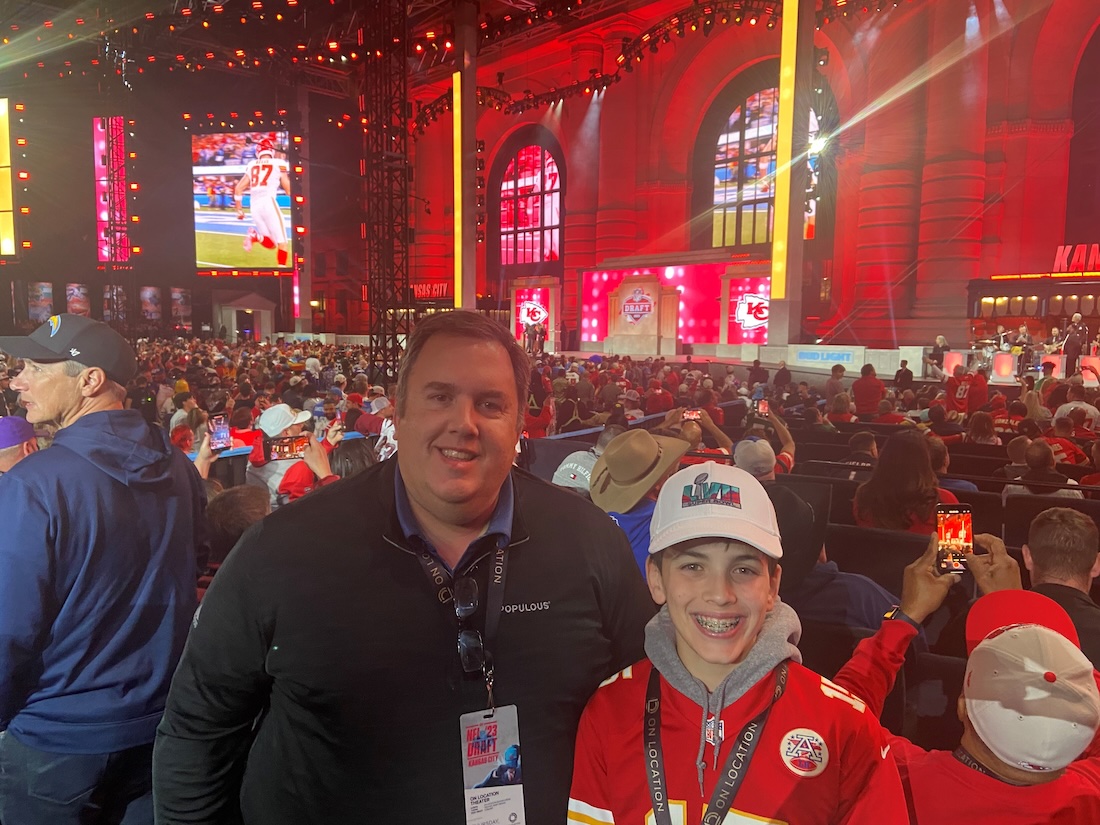
Brady and John
Brady Spencer with his son, John, outside Kansas City’s Union Station during the 2023 NFL draft.

The Populous impact on OKC sports venues & my friend, Brady Spencer

Sept. 17

A recent update in The Oklahoman newspaper on the new OG&E Coliseum under construction at the State Fairgrounds identified it as a venue designed by a firm named “Populous.”

In an even more recent story, I learned that Populous has been hired to design the new $71 million soccer stadium just south of OKC’s Bricktown.

I think I’m noticing a trend.

So, what exactly is Populous?
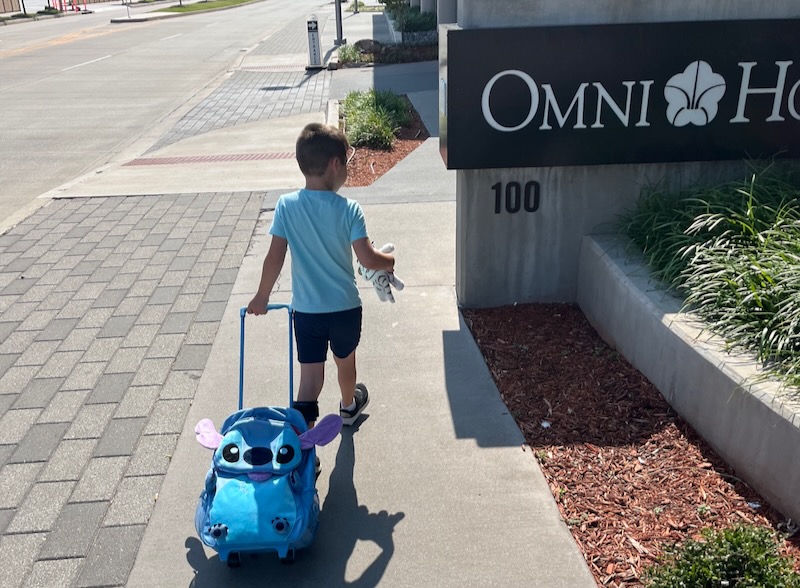
Solomon walking
Solomon rolls his new backpack up to OKC’s Omni Hotel on Friday morning.

Solomon’s ‘road trip’ to OKC’s Omni Hotel

July 12

This is what happens when his GiGi is out of town on business and Papa is left in charge of entertainment on a Friday for our grandson, Solomon.

So, when it was just us two early Friday, Solomon said he wanted to go on a road trip. He suggested “the beach” and then Branson.

I said we couldn’t do either of those today, but maybe we could drive up to Guthrie and find a place to eat.

Solomon sort of accepted that, but later told me he wanted to go to that “nice Thunder hotel downtown.” All of us had stayed the night at OKC’s Omni Hotel last year when my wife, Paula, was booked there for a convention meeting.
Screenshot
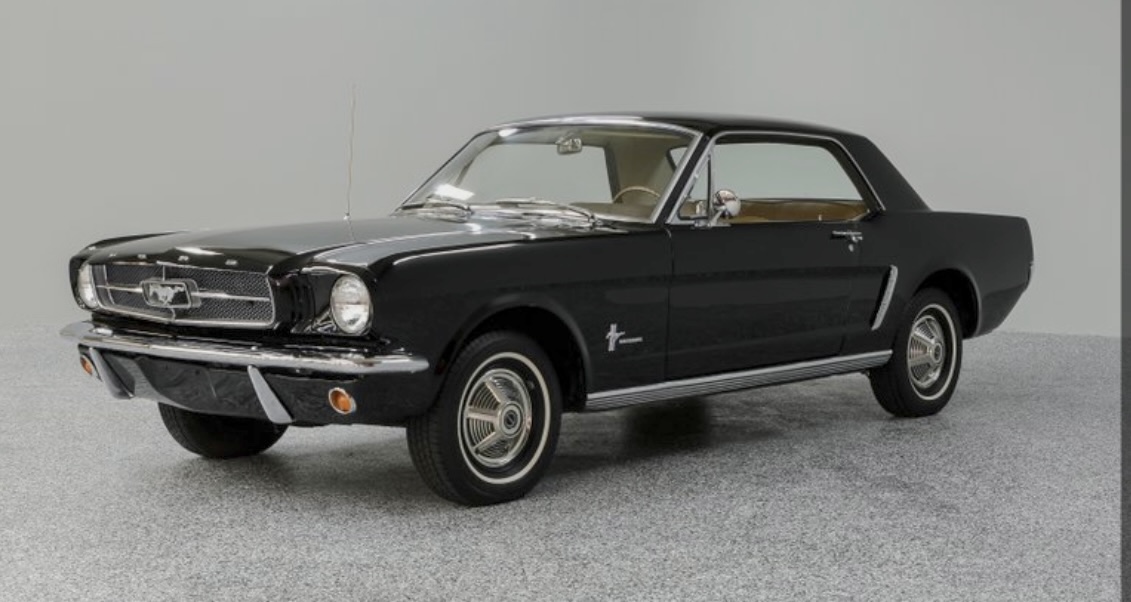
A black ’65 Mustang that looks exactly as I remember the one driven by my Aunt Dee.

The ’65 Mustang was my Aunt Dee’s ride or die

June 28

This is a story of the Ford Mustang. Or, rather, two Ford Mustangs. One of them did not have a happy ending, and I was in it.

If you are hazy on your Ford Mustang history, I’ll catch you up to date a bit. The Mustang was conceived by team at Ford led by Lee Iacocca, who later gained fame as the man who saved Chrysler.

The first Mustang was introduced to the public in April 1964, as the “1964-1/2” Mustang. It was an instant hit. The public fell in love with it because it had a unique, sporty body style compared to what U.S. autos had been, which were cars shaped like boxes and quite unattractive.

My dad was among the millions of Americans who were taken by the Mustang and eventually bought one when he was stationed on the island of Okinawa while in the military. I’ll come back to that.

Screenshot
Another shot of the ‘two Steves’ in the 1970s

Apple in 2024: Nobody likes a bully

March 23

I read a magazine article when I was in college in the 1970s about a scrappy startup called Apple Computer, founded by two guys named Steve who built their first computers in the garage at the home of one of the Steves.

I couldn’t get enough of their story; the David-vs.-Goliath way that Apple blazed the personal computer trail that forced the industry behemoth at the time, IBM, to play catchup. Steve Jobs and Steve Wozniak were my entrepreneurial heroes.

So, I admit that I am a long-time Apple fanboy and remain one today.

But my fandom has run smack into some ugly reality. Apple is no longer the scrappy industry underdog. In fact, it is one of the world’s largest companies by market value. Yet, it has begun to flex its financial muscles like a bully that nobody likes.

Screenshot

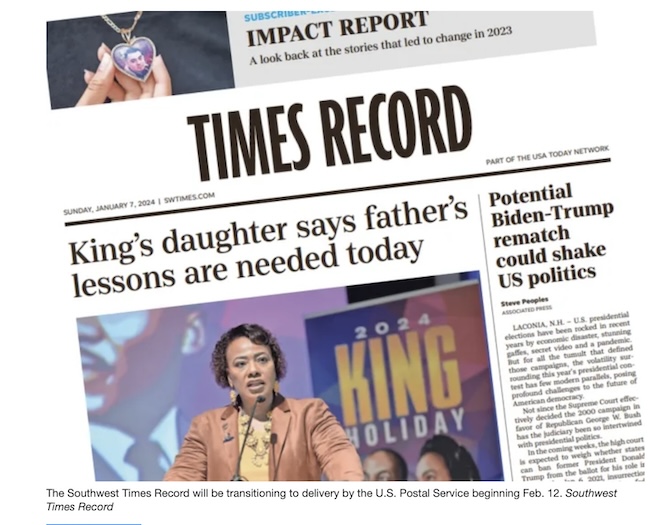
In my hometown, the long decline of a Fort Smith institution

Feb. 22

Here’s a bit of nostalgia for you. When I walked into the Southwest Times Record newsroom for the first time as an employee in 1978, I encountered a bustling community of talented writers, editors and photographers all scrambling to publish local news seven days a week.

The Fort Smith newspaper was a great place to learn the craft as my first job out of college. There are many folks among my former colleagues there whom I will never forget. I worked at the SWTR for five years in a variety of positions before moving to Oklahoma City and working for The Oklahoman for almost a quarter of a century.

So, it’s been disheartening to watch the SWTR decline as a community force over the past few years as the number of subscribers declined and employees were laid off. It’s a situation not unlike that in many other cities across the nation.
Evard and car
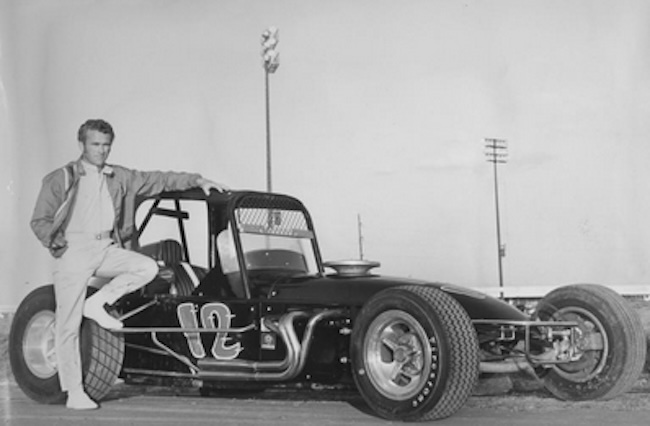
Evard Humphrey and his No. 12 super-modified sprint car

Why Evard Humphrey remains a sprint car hero to this child of the ’60s

Feb. 16

Editor’s Note: Don Mecoy is a friend and former colleague at The Oklahoman who retired as the newspaper’s managing editor at the end of 2022. A recent conversation about sports heroes from our youth when Don was a guest on the 3 Old Geezers podcast sparked his memory about a local race car driver fromthe late 1960s. Don wrote this guest blog post about that driver and those memories.

By Don Mecoy

I had my share of sports heroes when I was a kid. Roger Staubach, Lou Brock, Johnny Bench and Joe Washington were among my faves. But my personal hero — and it truly was personal — was a guy you probably never heard of: Evard “Kerfoot” Humphrey.

Evard was the driver of the No. 12 super-modified sprint car that ran every Friday night at State Fair Speedway during my youth in Oklahoma City.
tarps1
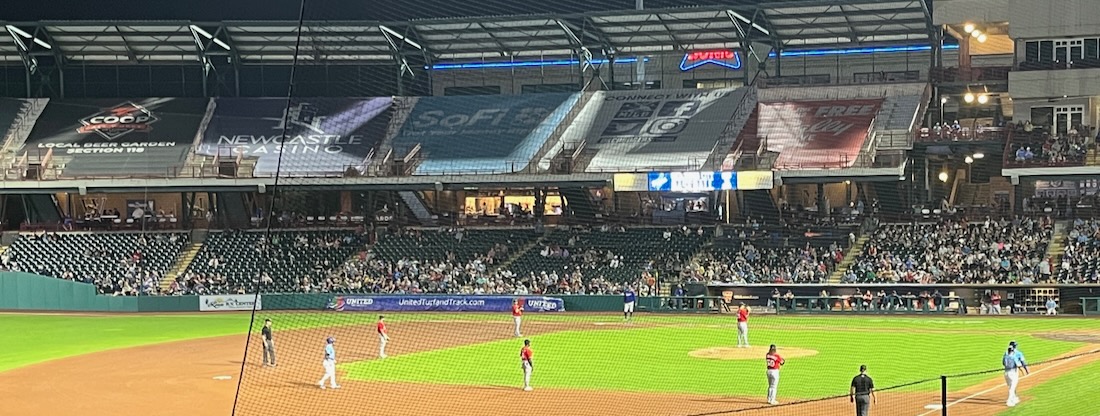
Advertising banners cover the entire upper deck seating area down the first base line of the Bricktown Ballpark.


Fading glory: Bricktown Ballpark needs upper deck rehab

Feb. 2

I was enjoying a summer evening at the Chickasaw Bricktown Ballpark with a friend last year, savoring the crowd, the game and the park’s immaculate green pasture.

Then my eyes landed on the upper deck along the first baseline that extends out into right field. There were no seats or bleachers visible. Only advertising banners draped across each section.

Don’t get me wrong. Oklahoma City has a beautiful ballpark that has retained its attractiveness since it opened in April 1998. However, the tarps do nothing but detract from the ballpark’s charm.

Apple in 2024: Nobody likes a bully

Screenshot
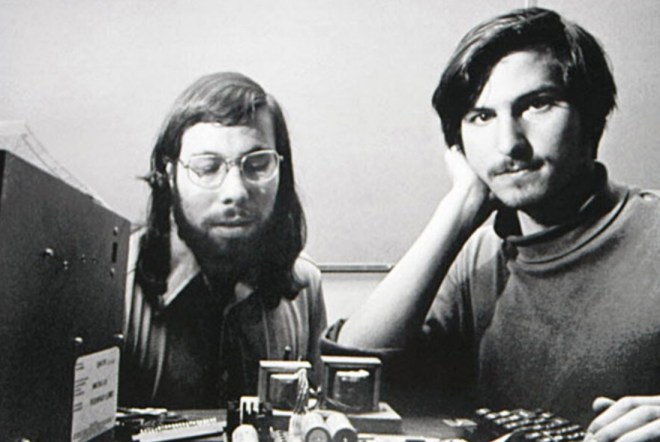
Steve Wozniak (left) and Steve Jobs together in the late 1970s.

I read a magazine article when I was in college in the 1970s about a scrappy startup called Apple Computer, founded by two guys named Steve who built their first computers in the garage at the home of one of the Steves.

I couldn’t get enough of their story; the David-vs.-Goliath way that Apple blazed the personal computer trail that forced the industry behemoth at the time, IBM, to play catchup. Steve Jobs and Steve Wozniak were my entrepreneurial heroes.

Less than a decade later I was the proud owner of an Apple IIe, and would later own multiple Macintosh computers, including the Macbook Air upon which this blog post is being written in 2024.

So, I admit that I am a long-time Apple fanboy and remain one today.

But my fandom has run smack into some ugly reality. Apple is no longer the scrappy industry underdog. In fact, it is one of the world’s largest companies by market value. Yet, it has begun to flex its financial muscles like a bully that nobody likes.

You probably have seen stories this past week about the anti-trust lawsuit filed against Apple by the U.S. Department of Justice and 17 states. The lawsuit alleges that Apple blocks developers and other companies from offering better pricing options to iPhone users and locks companies — and its users — almost exclusively to its App store.

Apple faced similar scrutiny in Europe and is currently working to comply with orders from European Union regulators to open the iPhone to what is known as “side loading.” That means developers can offer their software to consumers in an App store separate from the Apple App store.

But the antitrust suits are not what is challenging my long-standing Apple fanboy-hood. I actually prefer that any software I download to the iPhone pass through the Apple App store for security and quality reasons. Apple has done a pretty good job of vetting apps to prevent fraud or malware from slipping through.

What’s disappointed me about my favorite company — according to industry reporting — is how in recent years it has ruthlessly steamrolled innovative startups.

I’ve read reports about Apple’s tactic of appealing to the U.S. Patent Office to nullify patents owned by smaller competitors, and then developing and patenting its own software that is almost identical to that of the little guys.

A story in this week’s Wall Street Journal with the headline “When Apple Comes Calling, ‘It’s the Kiss of Death’”  lays it out pretty well. Most of it revolves around the Apple Watch.

Screenshot
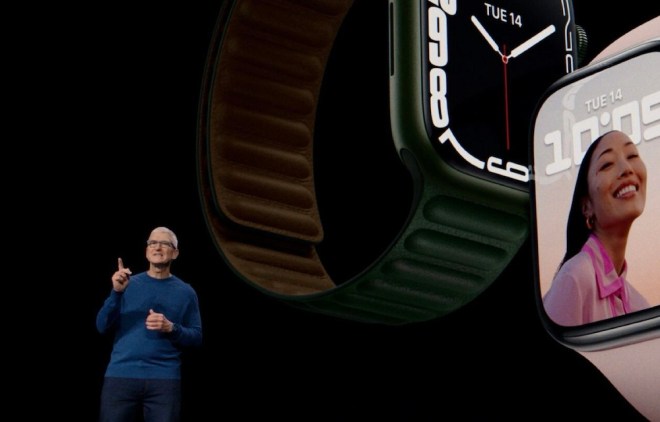
Apple CEO Tim Cook during a product announcement. (Wall Street Journal)

The article provides examples of Apple inviting founders to its HQ to discuss their innovations, then hiring multiple employees away from the competitors and creating software that does exactly what the original company created.

That action leads to claims of patent infringement by the smaller companies, and often ends with Apple taking it through the Patent Office appeals process. Here’s an example from the Wall Street Journal:

“Since 2012, Apple has attempted to invalidate more patent claims before the Patent Trial and Appeal Board than any other petitioner, according to intellectual-property research firm Patexia.

“Apple said it pays licensing fees to many companies of different sizes. The spokeswoman said it has licensed more than 25,000 patents from smaller companies over the past three years.”

OKLAHOMA ANGLE

Screenshot
Dr. David Albert

There’s an Oklahoma connection to this story. One of the companies from which Apple allegedly appropriated technology for the Apple Watch was AliveCor Inc.,  founded by Dr. David Albert, well known cardiologist, inventor and native Oklahoman.

I’ve known Dr. Albert for at least a decade through my past work with i2E, Inc.

AliveCor developed a technology in 2017 that would conduct electrocardiograms for Apple Watch users. Apple invited Dr. Albert to its HQ, where he demonstrated the technology for executives, according to the Wall Street Journal story.

In 2018, Apple released the Apple Watch 4, which offered an electrocardiogram capability. AliveCor filed a patent infringement suit against Apple in 2021.

It has not gone well for AliveCor, as you might expect. Here’s more from the Wall Street Journal:

“In December, the commission ruled in favor of AliveCor, barring imports into the U.S. of all Apple Watches with the heart-sensing capabilities.

Separately, Apple took the dispute to the Patent Trial and Appeal Board system … That board invalidated the AliveCor patents under dispute, thereby nullifying the import ban. AliveCor has appealed that ruling.”

I heard about the AliveCor lawsuit a couple years ago and reached out to Dr. Albert for comment for a blog post I intended to write back then.

Dr. Albert responded: “Jim, I cannot discuss our ongoing litigation — sorry.”

I elected not to write anything at that time, but the recent Wall Street Journal article opened the door this week.

I’m a fan of AliveCor and the other startups that have developed innovative technology only to be crushed by the tech giant. I’m disappointed that Apple has apparently evolved into an industry bully that sees no problem in squashing the little guys.

It’s like no one at Apple’s Cupertino, Calif., HQ remembers that it was once the scrappy startup founded by two Steves who built computers in their parents’ garage.

Screenshot
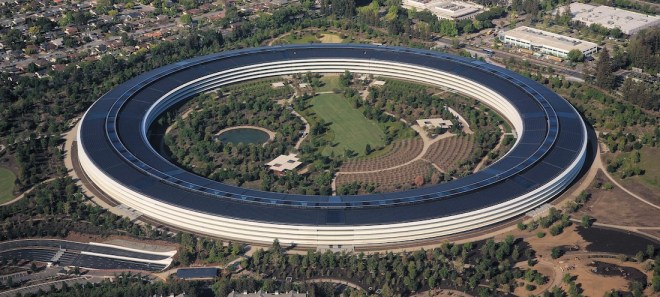
Apple’s headquarters in Cupertino, Calif.

Apple’s founders built a lot of goodwill among consumers and fanboys like me. I’m hoping their successors don’t let it slip away.

BONUS CONTENT! My friend Larry Newman is a long-time user of Apple technology, and was employed by Seagate Technology and other tech companies for most of his career. Now retired, he weighs in with his thoughts on the situation with Apple and Big Tech:

“I made an incredible living thanks in no small part to Apple products. I don’t know the details of the current government antitrust charges against them. But I’m guessing most of us would be quite disappointed in the lack of ethics displayed by the overwhelming majority of big tech companies. Regardless, I would rather big USA-based tech companies win than foreign ones. Our government would better serve citizens by using their influence to encourage repatriation of tech manufacturing jobs back to US soil.

“When I started working at Seagate in 1992, their manufacturing plants in the United States were employing thousands of people. But once one competitor began moving manufacturing overseas, all others had to follow to remain competitive and survive. Simple import restrictions/duties would have eliminated the migration of the jobs.

“Another thing to consider is platform security. Although no technology platform is 100% secure, Apple systems are clearly less vulnerable than more open systems.”

Screenshot
Another shot of the ‘two Steves’ in the 1970s

Still an Apple fanboy after all these years

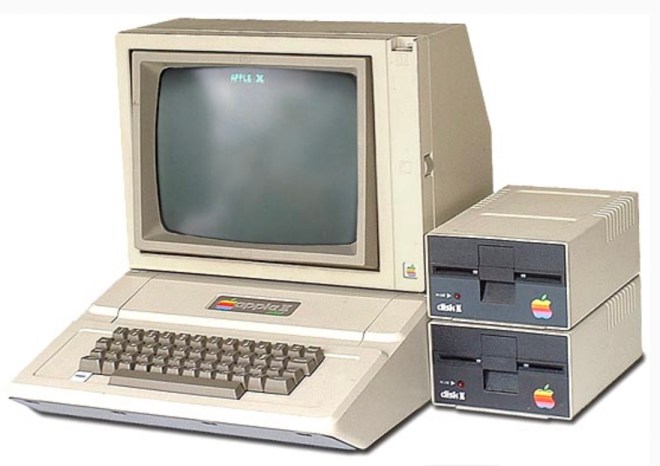
The Apple IIe with two 5-1/4 inch floppy disks, just like my first setup

I read a magazine article in the late 1970s about a couple of young Californians who built a new stand-alone computer in the garage of a Cupertino, Calif. home.

They started a company called Apple Computer to sell their innovation.

I had never used a computer at that point in life. As a journalism student at Abilene Christian University, we did all of our writing either on our own antiquated typewriters or on IBM Selectric typewriter in the newsroom of ACU’s student newspaper.

Anyway, the more I read about Apple and its Apple II computer, the more fascinated I became with both the company and the concept. Like most people, when I thought of computers, IBM and its massive room-sized mainframes came to mind.

After graduating from ACU, I went to work at the Southwest Times Record in Fort Smith, Ark. We worked on typewriters when I arrived in late August 1978, but by the Spring of 1979 the paper had installed its first computer terminals for reporters and editors to use.

They were so-called “dumb” terminals that were tied to a mainframe computer. They crashed a lot, usually right at deadline.

Meanwhile, I was still keeping up with Apple and its computer, but thought it was way beyond what I could afford.

Besides, who ever thought of having a computer in your house?

Fast forward about seven years. I was working at The Oklahoman when J.T. Goold, one of my co-workers, said he had a used Apple IIe for sale. It had been his father’s,

So, I ponied up about $500 and bought the Apple IIe, which came with a green monitor and two 5-1/4 inch floppy disks.

That Apple IIe sealed my love of all things Apple. I learned to use word-processing software on that computer, as well as a spreadsheet, a simple database and a page-design program.

In a few months, I added a 1,200-baud modem, which opened up a whole new online world of what were then known as bulletin boards. Then came AppleLink.

I tried my hand at learning some BASIC programming skills, but never got much further than making a little routine that filled the screen with a single sentence.

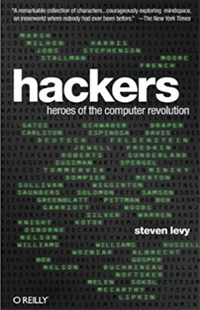
I’ve written all of this because I’m deep into Steven Levy’s book, “Hackers: Heroes of the Computer Revolution.” The Apple II and its creator, Steve Wozniak, play a huge role.

In Hackers, Levy detailed the founding and growth in the early 1970s of the Homebrew Computer Club in the San Francisco Bay Area. The club attracted scores of computer hackers who shared a vision of a future where everyone had a stand-alone computer of their own.

Levy wrote: “These were people intensely interested in getting computers into their homes to study, to play with, to create with … and the fact that they would have to build the computers was no deterrent.”

Steve Wozniak attended the very first Homebrew Club meeting, but it was a few years before he actually built his first computer. His friend Steve Jobs convinced him to create a company as partners and sell his computer invention.

So they began building computers in the garage of the home of Jobs’ parents. The Apple II became a runaway bestseller, bringing computers to millions of people.

I became an Apple fanboy after reading that early magazine article in the 1970s. The used Apple IIe that J.T. Goold sold me in the mid-1980s ensured it would last.

And here we are today.  I’m writing this on an Apple MacBook Air while the my Apple iPhone keeps buzzing with text alerts and notifications.  I’m reading Levy’s excellent “Hackers” on an Apple iPad Mini.

It’s been a long-term relationship, to say the least.  Still an Apple fanboy after all these years.