EDITOR’S NOTE: In what has become an annual column of its own, I look back over BlogOKC in 2024 and list my 10 favorite posts. Not most popular, but those that meant the most to me. I went back and forth, adding some then eliminating them, because each of them meant something to me. I hope you enjoy browsing the list and clicking on the headlines to read the full post. My list of personal favorites also includes a wonderful guest post by my friend, Don Mecoy. Enjoy!

Major League Baseball’s terrible, horrible, no good, very bad idea
Dec. 11
When I was a young would-be sports writer just out of college working for the Southwest Times Record newspaper in Fort Smith, Ark., my editor sent me out to cover the state small school baseball tournament.
I had not seen much high school baseball through the years, so I was caught by surprise by one particular rule the small schools played by.
It was called the “Courtesy Runner.”
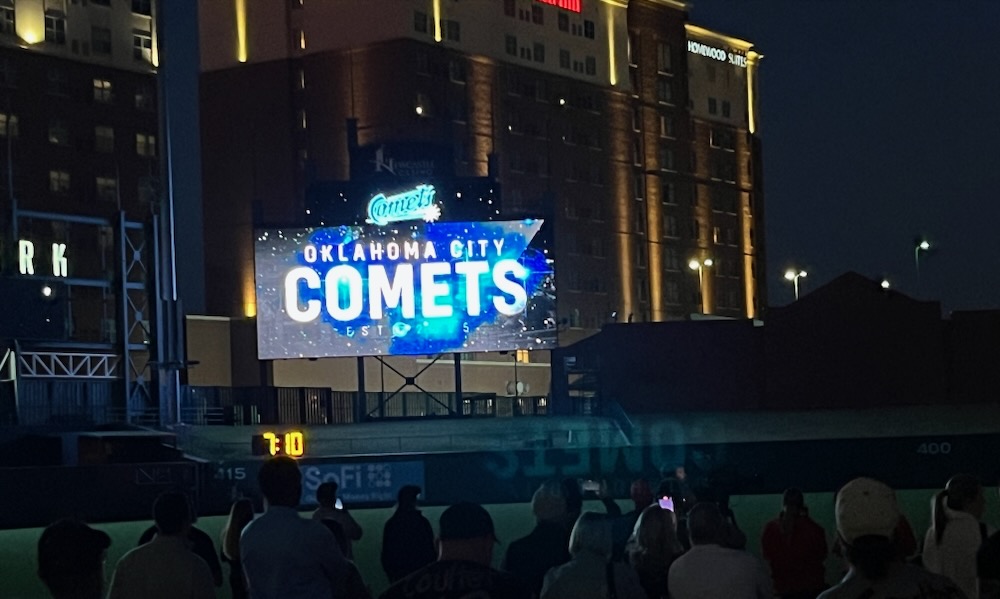
What’s in a name? Apparently, a lot in OKC Baseball Club rebrand to ‘Comets’ … Or not much
Oct. 28
The Oklahoma City Baseball Club revealed its new name, “Comets,” in a ceremony Saturday evening at the Chickasaw Bricktown Ballpark witnessed by at least a couple thousand enthusiastic fans.
I was among those who showed up for the Big Reveal, so I can attest to the collective cheer that went up when the “Comets” name and logo appeared on the scoreboard screen.
I was not expecting “Comets,” although I’m not sure what I expected. Maybe “Flycatchers,” which my friend Ed Godfrey had predicted as the future team name. Or the “Waving Wheats” or something that related to Oklahoma.
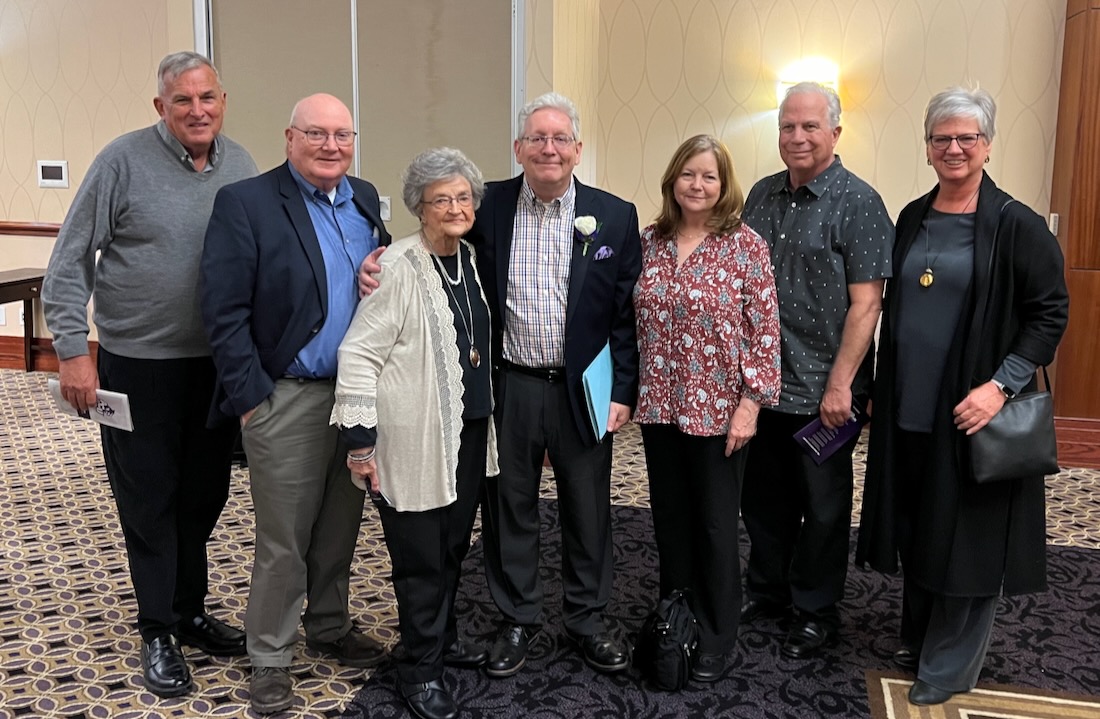
ACU Hall of Fame recognition for my friend Ron Hadfield … and a grand reunion
Oct. 22
Ron Hadfield is a long-time friend who was my student editor on the Abilene Christian University newspaper, The Optimist, in 1977. Ron recently was recognized with a Lifetime Achievement Award at the ACU Athletic Hall of Fame ceremony that I was privileged to attend.
I showed up on ACU’s doorstep in 1976 as a transfer student with a dream to some day become a newspaper sportswriter, but with virtually no writing experience.
Ron likes to tell the story that on the first assignment he sent me out on, I turned in some terrible copy and proudly showed him the quotes I made up.
I deny the accuracy of his memory.
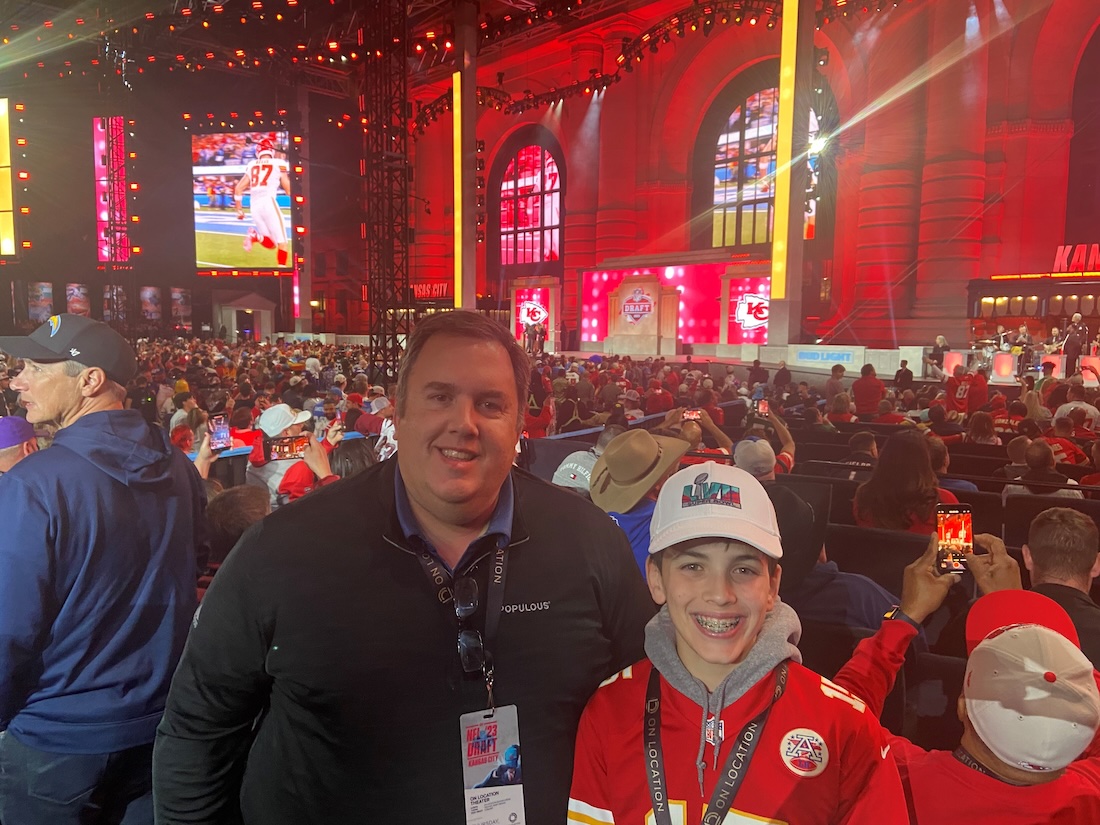
The Populous impact on OKC sports venues & my friend, Brady Spencer
Sept. 17
A recent update in The Oklahoman newspaper on the new OG&E Coliseum under construction at the State Fairgrounds identified it as a venue designed by a firm named “Populous.”
In an even more recent story, I learned that Populous has been hired to design the new $71 million soccer stadium just south of OKC’s Bricktown.
I think I’m noticing a trend.
So, what exactly is Populous?
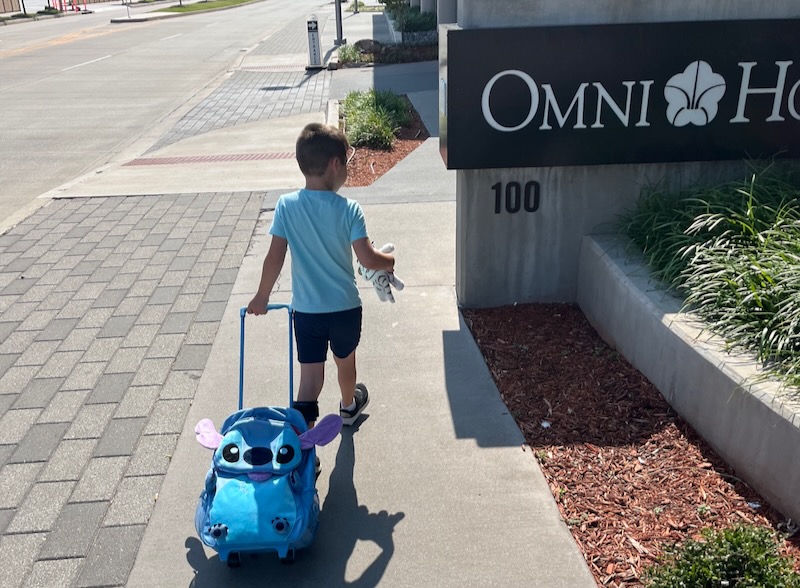
Solomon’s ‘road trip’ to OKC’s Omni Hotel
July 12
This is what happens when his GiGi is out of town on business and Papa is left in charge of entertainment on a Friday for our grandson, Solomon.
So, when it was just us two early Friday, Solomon said he wanted to go on a road trip. He suggested “the beach” and then Branson.
I said we couldn’t do either of those today, but maybe we could drive up to Guthrie and find a place to eat.
Solomon sort of accepted that, but later told me he wanted to go to that “nice Thunder hotel downtown.” All of us had stayed the night at OKC’s Omni Hotel last year when my wife, Paula, was booked there for a convention meeting.
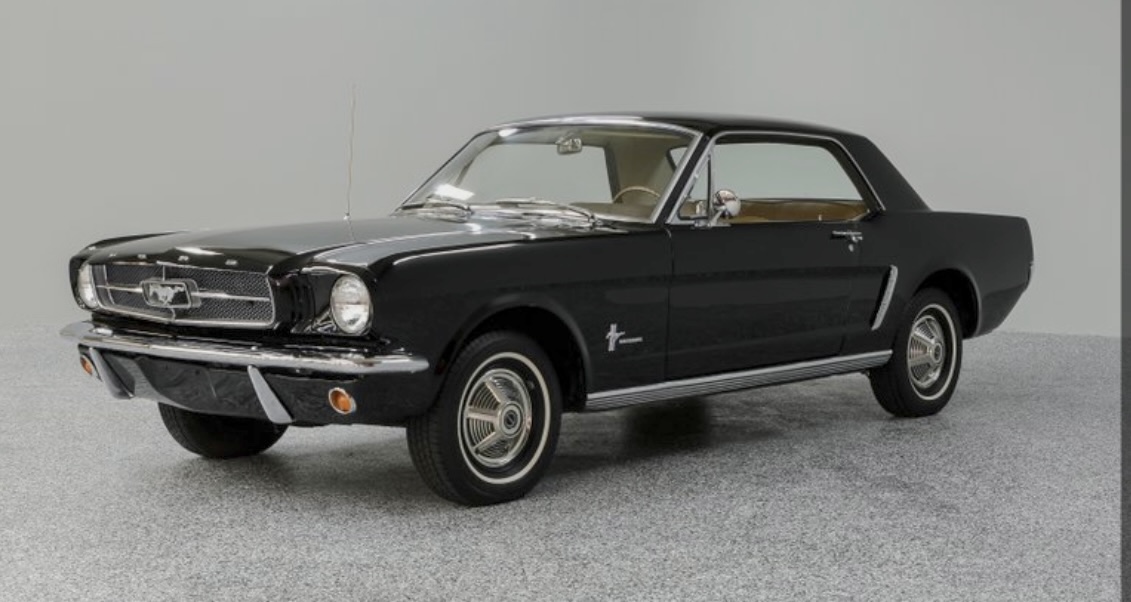
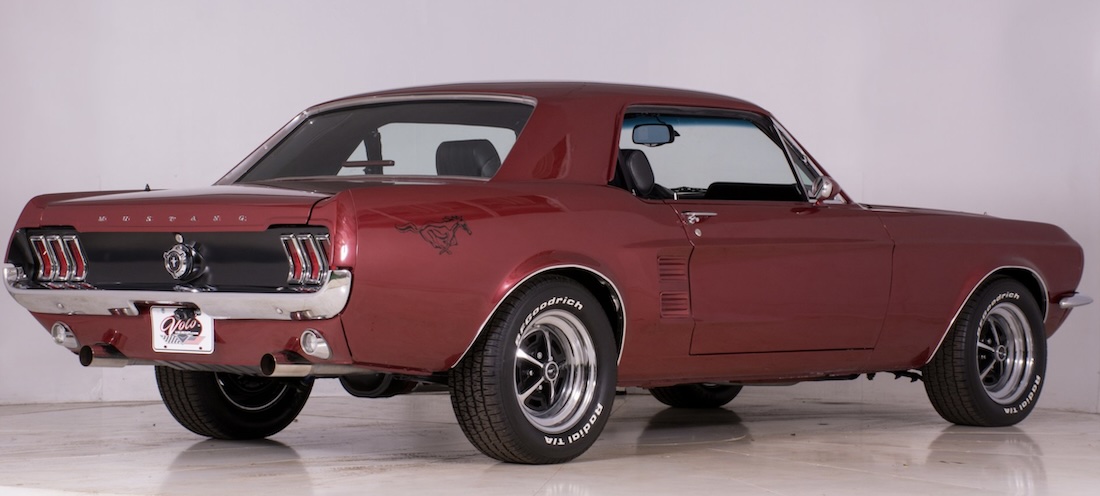
The ’65 Mustang was my Aunt Dee’s ride or die
June 28
This is a story of the Ford Mustang. Or, rather, two Ford Mustangs. One of them did not have a happy ending, and I was in it.
If you are hazy on your Ford Mustang history, I’ll catch you up to date a bit. The Mustang was conceived by team at Ford led by Lee Iacocca, who later gained fame as the man who saved Chrysler.
The first Mustang was introduced to the public in April 1964, as the “1964-1/2” Mustang. It was an instant hit. The public fell in love with it because it had a unique, sporty body style compared to what U.S. autos had been, which were cars shaped like boxes and quite unattractive.
My dad was among the millions of Americans who were taken by the Mustang and eventually bought one when he was stationed on the island of Okinawa while in the military. I’ll come back to that.

Apple in 2024: Nobody likes a bully
March 23
I read a magazine article when I was in college in the 1970s about a scrappy startup called Apple Computer, founded by two guys named Steve who built their first computers in the garage at the home of one of the Steves.
I couldn’t get enough of their story; the David-vs.-Goliath way that Apple blazed the personal computer trail that forced the industry behemoth at the time, IBM, to play catchup. Steve Jobs and Steve Wozniak were my entrepreneurial heroes.
So, I admit that I am a long-time Apple fanboy and remain one today.
But my fandom has run smack into some ugly reality. Apple is no longer the scrappy industry underdog. In fact, it is one of the world’s largest companies by market value. Yet, it has begun to flex its financial muscles like a bully that nobody likes.
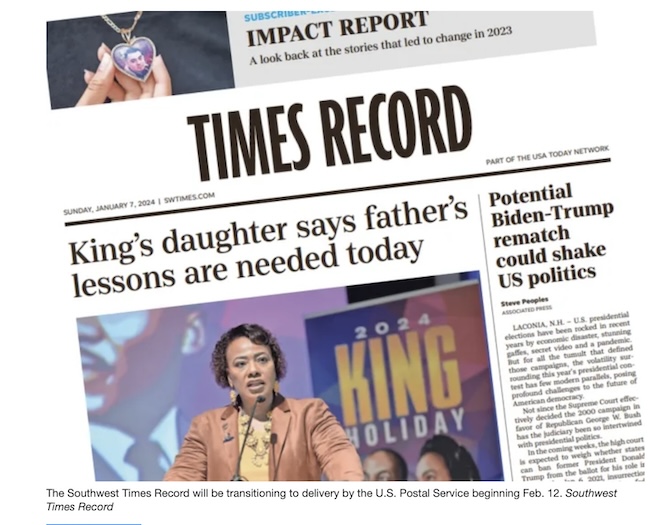
In my hometown, the long decline of a Fort Smith institution
Feb. 22
Here’s a bit of nostalgia for you. When I walked into the Southwest Times Record newsroom for the first time as an employee in 1978, I encountered a bustling community of talented writers, editors and photographers all scrambling to publish local news seven days a week.
The Fort Smith newspaper was a great place to learn the craft as my first job out of college. There are many folks among my former colleagues there whom I will never forget. I worked at the SWTR for five years in a variety of positions before moving to Oklahoma City and working for The Oklahoman for almost a quarter of a century.
So, it’s been disheartening to watch the SWTR decline as a community force over the past few years as the number of subscribers declined and employees were laid off. It’s a situation not unlike that in many other cities across the nation.
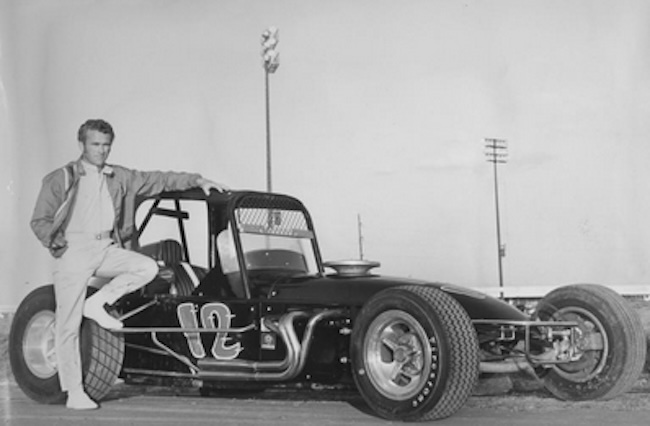
Why Evard Humphrey remains a sprint car hero to this child of the ’60s
Feb. 16
Editor’s Note: Don Mecoy is a friend and former colleague at The Oklahoman who retired as the newspaper’s managing editor at the end of 2022. A recent conversation about sports heroes from our youth when Don was a guest on the 3 Old Geezers podcast sparked his memory about a local race car driver fromthe late 1960s. Don wrote this guest blog post about that driver and those memories.
By Don Mecoy
I had my share of sports heroes when I was a kid. Roger Staubach, Lou Brock, Johnny Bench and Joe Washington were among my faves. But my personal hero — and it truly was personal — was a guy you probably never heard of: Evard “Kerfoot” Humphrey.
Evard was the driver of the No. 12 super-modified sprint car that ran every Friday night at State Fair Speedway during my youth in Oklahoma City.
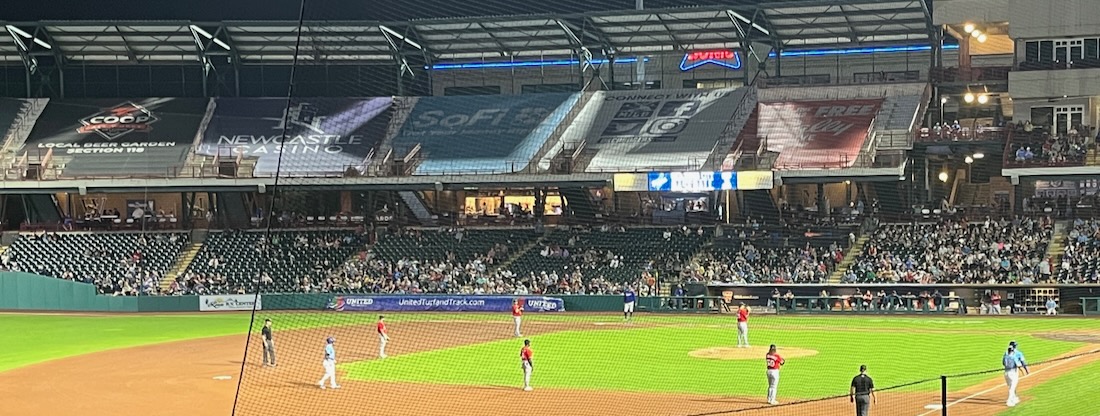
Fading glory: Bricktown Ballpark needs upper deck rehab
Feb. 2
I was enjoying a summer evening at the Chickasaw Bricktown Ballpark with a friend last year, savoring the crowd, the game and the park’s immaculate green pasture.
Then my eyes landed on the upper deck along the first baseline that extends out into right field. There were no seats or bleachers visible. Only advertising banners draped across each section.
Don’t get me wrong. Oklahoma City has a beautiful ballpark that has retained its attractiveness since it opened in April 1998. However, the tarps do nothing but detract from the ballpark’s charm.
 Jim Stafford's BlogOKC