
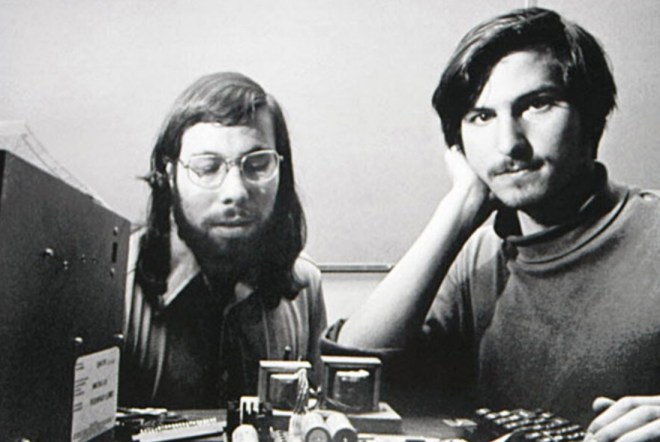
I read a magazine article when I was in college in the 1970s about a scrappy startup called Apple Computer, founded by two guys named Steve who built their first computers in the garage at the home of one of the Steves.
I couldn’t get enough of their story; the David-vs.-Goliath way that Apple blazed the personal computer trail that forced the industry behemoth at the time, IBM, to play catchup. Steve Jobs and Steve Wozniak were my entrepreneurial heroes.
Less than a decade later I was the proud owner of an Apple IIe, and would later own multiple Macintosh computers, including the Macbook Air upon which this blog post is being written in 2024.
So, I admit that I am a long-time Apple fanboy and remain one today.
But my fandom has run smack into some ugly reality. Apple is no longer the scrappy industry underdog. In fact, it is one of the world’s largest companies by market value. Yet, it has begun to flex its financial muscles like a bully that nobody likes.
You probably have seen stories this past week about the anti-trust lawsuit filed against Apple by the U.S. Department of Justice and 17 states. The lawsuit alleges that Apple blocks developers and other companies from offering better pricing options to iPhone users and locks companies — and its users — almost exclusively to its App store.
Apple faced similar scrutiny in Europe and is currently working to comply with orders from European Union regulators to open the iPhone to what is known as “side loading.” That means developers can offer their software to consumers in an App store separate from the Apple App store.
But the antitrust suits are not what is challenging my long-standing Apple fanboy-hood. I actually prefer that any software I download to the iPhone pass through the Apple App store for security and quality reasons. Apple has done a pretty good job of vetting apps to prevent fraud or malware from slipping through.
What’s disappointed me about my favorite company — according to industry reporting — is how in recent years it has ruthlessly steamrolled innovative startups.
I’ve read reports about Apple’s tactic of appealing to the U.S. Patent Office to nullify patents owned by smaller competitors, and then developing and patenting its own software that is almost identical to that of the little guys.
A story in this week’s Wall Street Journal with the headline “When Apple Comes Calling, ‘It’s the Kiss of Death’” lays it out pretty well. Most of it revolves around the Apple Watch.
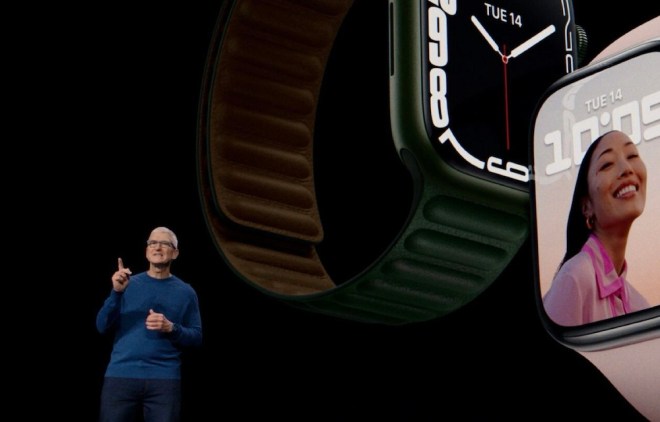
The article provides examples of Apple inviting founders to its HQ to discuss their innovations, then hiring multiple employees away from the competitors and creating software that does exactly what the original company created.
That action leads to claims of patent infringement by the smaller companies, and often ends with Apple taking it through the Patent Office appeals process. Here’s an example from the Wall Street Journal:
“Since 2012, Apple has attempted to invalidate more patent claims before the Patent Trial and Appeal Board than any other petitioner, according to intellectual-property research firm Patexia.
“Apple said it pays licensing fees to many companies of different sizes. The spokeswoman said it has licensed more than 25,000 patents from smaller companies over the past three years.”
OKLAHOMA ANGLE

There’s an Oklahoma connection to this story. One of the companies from which Apple allegedly appropriated technology for the Apple Watch was AliveCor Inc., founded by Dr. David Albert, well known cardiologist, inventor and native Oklahoman.
I’ve known Dr. Albert for at least a decade through my past work with i2E, Inc.
AliveCor developed a technology in 2017 that would conduct electrocardiograms for Apple Watch users. Apple invited Dr. Albert to its HQ, where he demonstrated the technology for executives, according to the Wall Street Journal story.
In 2018, Apple released the Apple Watch 4, which offered an electrocardiogram capability. AliveCor filed a patent infringement suit against Apple in 2021.
It has not gone well for AliveCor, as you might expect. Here’s more from the Wall Street Journal:
“In December, the commission ruled in favor of AliveCor, barring imports into the U.S. of all Apple Watches with the heart-sensing capabilities.
Separately, Apple took the dispute to the Patent Trial and Appeal Board system … That board invalidated the AliveCor patents under dispute, thereby nullifying the import ban. AliveCor has appealed that ruling.”
I heard about the AliveCor lawsuit a couple years ago and reached out to Dr. Albert for comment for a blog post I intended to write back then.
Dr. Albert responded: “Jim, I cannot discuss our ongoing litigation — sorry.”
I elected not to write anything at that time, but the recent Wall Street Journal article opened the door this week.
I’m a fan of AliveCor and the other startups that have developed innovative technology only to be crushed by the tech giant. I’m disappointed that Apple has apparently evolved into an industry bully that sees no problem in squashing the little guys.
It’s like no one at Apple’s Cupertino, Calif., HQ remembers that it was once the scrappy startup founded by two Steves who built computers in their parents’ garage.
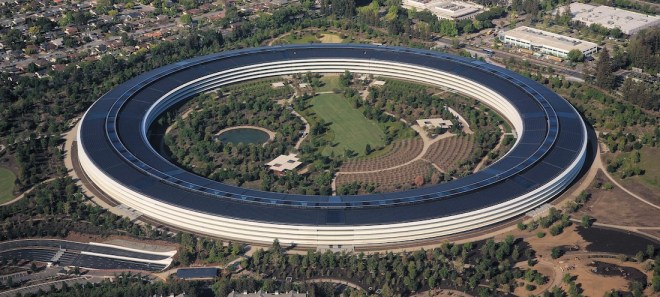
Apple’s founders built a lot of goodwill among consumers and fanboys like me. I’m hoping their successors don’t let it slip away.
BONUS CONTENT! My friend Larry Newman is a long-time user of Apple technology, and was employed by Seagate Technology and other tech companies for most of his career. Now retired, he weighs in with his thoughts on the situation with Apple and Big Tech:
“I made an incredible living thanks in no small part to Apple products. I don’t know the details of the current government antitrust charges against them. But I’m guessing most of us would be quite disappointed in the lack of ethics displayed by the overwhelming majority of big tech companies. Regardless, I would rather big USA-based tech companies win than foreign ones. Our government would better serve citizens by using their influence to encourage repatriation of tech manufacturing jobs back to US soil.
“When I started working at Seagate in 1992, their manufacturing plants in the United States were employing thousands of people. But once one competitor began moving manufacturing overseas, all others had to follow to remain competitive and survive. Simple import restrictions/duties would have eliminated the migration of the jobs.
“Another thing to consider is platform security. Although no technology platform is 100% secure, Apple systems are clearly less vulnerable than more open systems.”

 Jim Stafford's BlogOKC