Today is Opening Day for 22 Major League Baseball teams, including my Texas Rangers, who opened against Philadelphia this afternoon (Rangers lost, 5-3). Opening Day has always been one of my favorite days of the year, because it means the long Winter is finally over and there is the promise of new life, even for my favorite team.
A long ago Opening Day is one of those special days where I know exactly where I was.
And I’m not talking about the baseball.
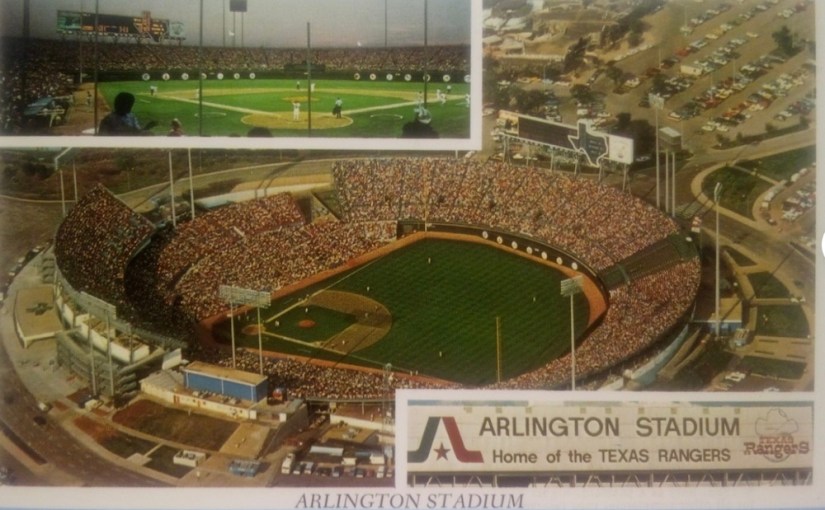
The year was 1983. The setting was the now departed Arlington Stadium in Arlington, Texas. The game was the season opener between the Rangers and the Chicago White Sox.
I looked it up, and it was a Monday night game . Only 13,140 fans showed up with few expectations for the Rangers that season.
I was in that crowd along with Eric Brooks, a fellow sportswriter at the Southwest Times Record newspaper in Fort Smith, Ark.. We drove to Arlington to catch the 1983 season opener because I was a Rangers fan and Eric was a fan of MLB in general.
It was my first — and only — MLB Opening Day game. And what a memory it became.
Here’s what I remember from the night: virtually nothing about the baseball game itself.
But it turned out to also be a night that many American sports fans recall because of an historic upset. North Carolina State beat Houston to claim the NCAA men’s basketball championship.
It was also special to me because Eric and I got to watch the incredible finish to that game while we were at Arlington Stadium with the Rangers game still in progress. You might remember that the Jim Valvano-coached Wolfpack scored one of college basketball’s greatest upsets when Lorenzo Charles scored the game winner at the final buzzer.
So, how were we able to watch that from the stands at Arlington Stadium?
While the NCAA game certainly wasn’t broadcast on the Rangers scoreboard, a fan seated in our section held a small, portable black-and-white television in his lap.
When we saw several people gather around the guy with the TV, Eric and I got up and joined the crowd. We could see the screen pretty well and knew that it was late in the NCAA championship game.
So, we stayed put to watch the frantic finish with that small crowd of college basketball crazies.
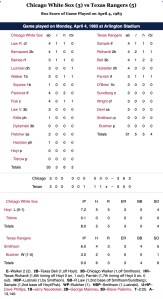
As for the Rangers game, Texas defeated Chicago starting pitcher Lamarr Hoyt that night, 5-3, in two hours and 25 minutes. I found the box score.
After the game, Eric and I headed over to the local Bennigan’s Restaurant for a late dinner. Eric spotted White Sox owner Jerry Reinsdorf seated at a table with team GM Roland Hemond.
I would not have known who they were, but Eric was a big MLB fan who recognized the baseball executives. He wanted to rush over and strike up a conversation, although I talked him into waiting until they were finished eating.
Fast forward 43 years.
Today was another season opening day for the Rangers, who will play their 2026 home opener on April 3. The expectations are certainly higher than they were in 1983, but I won’t be in Arlington next week when the Rangers open at home against the Cincinnati Reds.
No big deal. I’ll always have my memories of that long ago season opener and watching the NCAA finals on a tiny black-and-white portable TV in the Arlington Stadium stands.
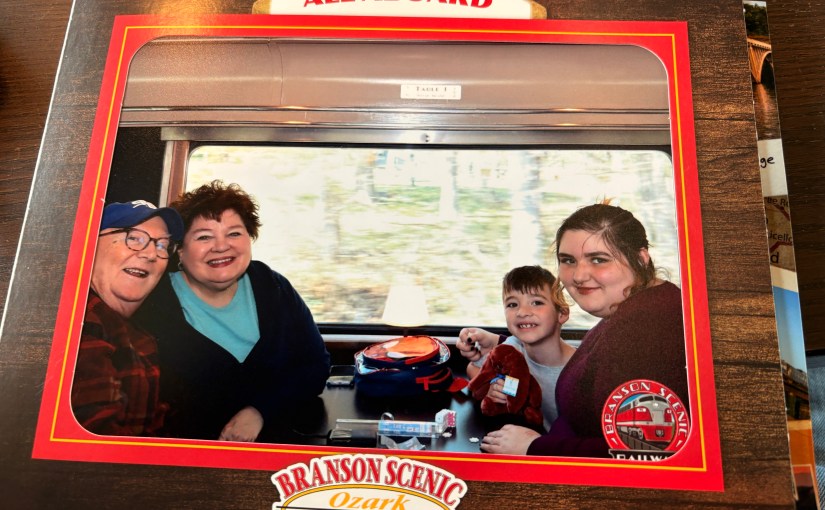
My family and I rode the rails on the Branson Scenic Railway this week with about 200 of our closest friends. We shared a nice table for 4 in an historic railcar from the 1950s that had been restored.
We were on this journey at the insistence of my 6-year old grandson, who rode it with me last year. He was excited to show it off to his mother and GiGi this time around.
This trip took us from the station in downtown Branson northwest through the community of Reeds Springs and ending on the southern edges of the town of Galena, Mo. We stopped for a couple of minutes on a long trestle that crossed the James River, then headed back to Branson on what would be a relaxing trip of just under two hours.
Our railcar, the Silver Lake, was full except for one empty table across the aisle from us. Seated at the first table beyond that was a man and his wife that I estimate were roughly 65 years of age.
The husband wore a T-shirt that said “Heaven is my home” in large print on the front. I saw him looking over at our table several times.
Finally, as we neared Branson on the return trip, he walked over to our table and struck up a conversation.
Had we been to the Sight and Sound Theater where they re-enact stories from the Bible? They have live animals and realistic scenes, and it’s so good that people have been saved because the Spirit of God moves them.
Then he dropped the hammer.
“Do you know Jesus?” Well, uh, we do, we said. Yes, sir.
“Well, I’m glad because I want to go to heaven and hope you do, too.”
With that, Mr. Heaven Bound went back to his table, and we could relax. I’m not sure why he singled us out, unless our dress identified us as part of the Great Unwashed. I was wearing a Flannel Shirt and OKC Comets cap. My wife had on a blue sweater.
The rest of the ride was pretty uneventful until just before we arrived at the station. A conductor came by and greeted everyone, including Heaven Bound and his wife.
All of a sudden, he loudly addressed the entire railcar of passengers.
“I really enjoyed traveling with all of you,” he said. “I hope you all know Jesus and hope to get to Heaven. I plan to go to Heaven and not the other place.”
Then an awkward quiet washed over the entire railcar. Fortunately, we pulled up to the station right then and everyone piled out as quickly as possible.
I’ve been in uncomfortable situations like that several times in my life, when someone so passionate about their faith that they want to grab you by the collar and force feed some Jesus down your throat.
I appreciate their passion, but not sure how this form of proselytizing can win many souls. I think it makes people run the other direction, even those of us who attempt to follow Jesus in some fashion.
To me, this type of ‘Gospel sharing’ is a shallow attempt to convert someone when there’s no history between either party or context to the theology he’s trying to reach them with.
Besides, everyone’s faith journey is different. I respect those whose journey has landed them in the arms of Jesus or another religion or even no religion at all.
When we all get to heaven we may be surprised to see who we meet there.
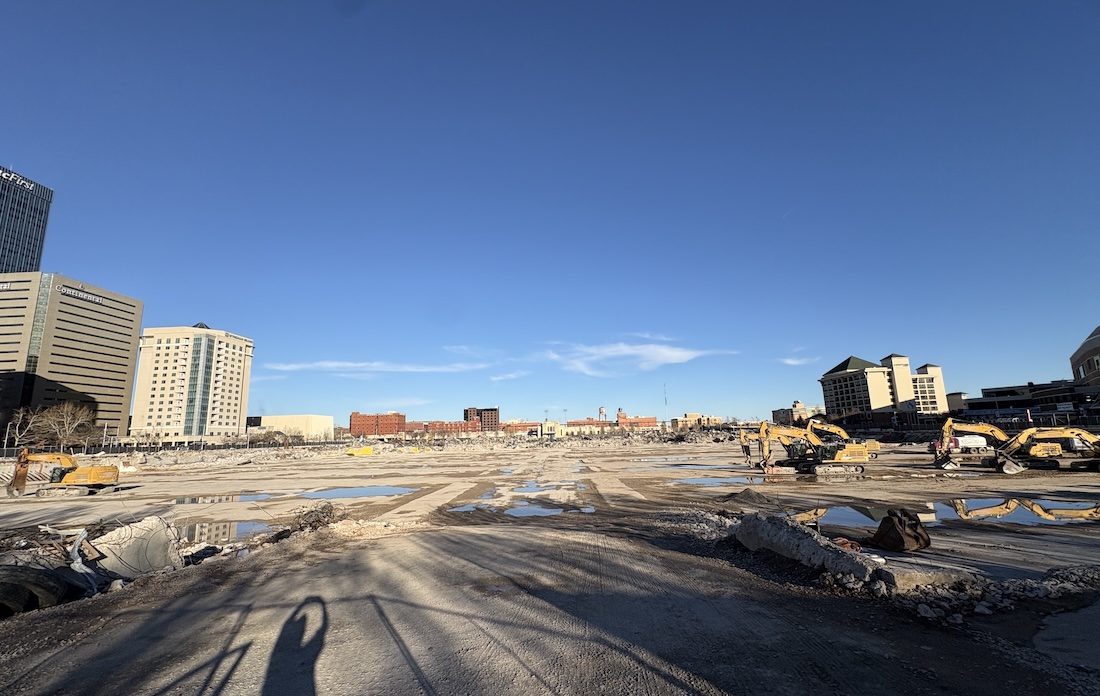
The site of the former Myriad Convention Center is empty as it awaits construction on new arena.
A few weeks ago, my friend Ed and I had an appointment in Midtown OKC when we decided to go take a look at the site of the Incomparable Myriad to see the progress made on its demolition.
As you probably know, the gigantic concrete box that opened in 1972 as the Myriad Convention Center was demolished to make way for a new billion dollar arena built for the Oklahoma City Thunder. Along its 53-year journey, the name transitioned from the Myriad to the Cox Business Center and finally to the Prairie Surf Studios.
I admit I was surprised when we approached the 2-square block site of the Myriad and there was nothing but a gigantic empty lot. The site looked even larger to me than it actually is, because now it’s a sea of dirt stretching from E.K. Gaylord Blvd. to Robinson Ave.
Ed slowed down to let me jump out to take some photos while he drove around the block(s). When I got back into the car, we shared some of the experiences we had at the old arena.
Then Ed said, “you should write a blog post about your Myriad memories.”
So, that’s the purpose of this post. I’m sharing my favorite memories of the building that date back to the late ’70s. But I’ve also asked Ed and several other Oklahomans to share their Myriad memories.
I’ve got three memories that stand out to me.
My first visit to the Myriad took place in roughly 1979 or ’80 when I accompanied a group of folks from Fort Smith, Ark., to attend the National Finals Rodeo. I was a young sports writer at the Southwest Times Record and was sent on assignment with the Fort Smith Old Fort Days Rodeo committee to experience the NFR.
What stands out in my mind is the location from which I witnessed the rodeo. They stationed me on the actual arena dirt behind the protection of metal fencing. So you might say I had an up-close-and-personal look at the National Finals Rodeo.
My second Myriad memory is attending a John (Cougar) Mellencamp concert at the venue in February 1986. I’m not a big concert goer, but I was (and am) a fan of John Mellencamp’s music, so I enjoyed being part of a full house, both on the floor and in arena seats. I was struck by how awesome the violinist (fiddler?) was who accompanied him on several songs.
Finally, my favorite Myriad memory is that of New Years Eve 1990. I took my future wife, Paula, to see the Oklahoma City Cavalry on our first date. I know, I’m a real romantic. Turns out, Paula may be a bigger basketball fan than am I, and has seen far more OKC Thunder games at Paycom Center over the years than I have.
Now I’m turning this over to 10 Oklahomans who share diverse memories from their experiences at the Myriad over the decades.
First up is Oklahoma City Mayor David Holt, who is also Dean of the Oklahoma City University School of Law and author of the book: Big League City: Oklahoma City’s Rise to the NBA
If you get a little misty-eyed about the Myriad, it’s understandable. It may not have been much to look at, but it was the center of our community’s life in a unique way that will never happen here again.
The Myriad opened in 1972. Until the opening of the Ford Center in 2002, it was the city’s primary arena. Until the opening of the Oklahoma City Convention Center in 2021, it was also the city’s primary convention center. And until the city’s explosion in growth around the time of the Thunder’s arrival in 2008, the demand on the Myriad’s schedule was mostly for community events. All of this is worth noting, because it means that for about four decades, practically every major moment we experienced as a resident of this city was at the Myriad. The Myriad occupied an emotional place in Oklahoma City life that no venue will ever occupy again. In 2026, we utilize many venues to host that which was once held at the Myriad. And increased demand for national entertainment events and conventions means that community events once held at the Myriad are less likely to occur at its successor venues.
It is probably also worth noting that the prime decades for the Myriad were some of the worst decades in the city’s overall history. From a historical perspective, we can appreciate that. But within that narrative, we were living our lives. The milestones of our individual lives were largely unencumbered by the greater challenges facing our city. And those milestones occurred at the Myriad. Any OKC resident born between 1950 and 1985 is going to have a very long list of personal experiences tied to the Myriad. For me, it will always be the place I graduated high school, took the Bar exam and delivered my first two State of the City addresses. It was where I attended countless memorable athletic events and concerts. It was the focal point of our city’s shared experience. We’ll each carry those warm feelings forward as we experience the glorious new future destined for this site in the heart of our city.
Ed Godfrey is a now-retired longtime reporter at The Oklahoman who shares an unforgettable memory of the Myriad from 26 years ago.
Memories of the Myriad? There are many. I recall a great Whitney Houston concert there in 1987 and a tremendous Reba McEntire performance the following year.
But my most vivid memory came on March 13, 1998. I was the county courthouse reporter for The Oklahoman newspaper and covering a trial when the jury went out to deliberate that afternoon.
I left my pager number with someone in the judge’s office and asked to be paged when there was a verdict. With time to kill, I made the short walk to the Myriad to meet some colleagues from work and go to an NCAA basketball tournament game between 13th-seeded Valparaiso and 4th-seeded Ole Miss.
Thankfully, the jury didn’t reach a verdict before the end of the game, because it allowed me to witness one of the greatest buzzer beaters in NCAA history.
Valparaiso trailed 69-67 with 2.5 seconds left and had to inbound the ball from under its own basket and go the length of the court. I thought the game was over, as I’m sure everybody in the Myriad did.
I mean, how would Valparaiso even get a shot up, other than a Hail Mary, with just 2.5 seconds left? Ole Miss put a defender in front of Valparaiso’s Jaime Sykes, who was inbounding the ball.
Sykes heaved the ball over the halfcourt line to a leaping Bill Jenkins, who caught the pass and tossed it to Bryce Drew, who was streaking beside him, before Jenkins’ feet even hit the floor. Drew caught it and immediately fired up a 23-foot 3-point shot to win the game.
The Myriad erupted. No one could believe what they had just seen. I don’t remember the verdict that day in the trial I was covering. I don’t even remember who was on trial or what it was about.
But I will always remember that shot and the noise in the arena at that moment
Don Mecoy had a long tenure at The Oklahoman as both a reporter and editor, closing out his career as the newspaper’s managing editor.
The Myriad, while incomparable in name only, was a happy place for me. I attended scores of events there over the decades, including graduation ceremonies, sporting events, business conferences and concerts.
I even worked there. As a reporter, I covered a 1991 appearance at the downtown arena by the Rev. Jesse Jackson. I was posted at a table along the front of the stage, with the 12,000 attendees at the National Baptist Conference seated behind me.
At one point, Jackson asked all the men in the arena to stand. I am a man, so I stood.
“Look at all these beautiful Black faces,” Jackson implored the crowd. I am not Black, so I eventually sat back down.
But I digress. My favorite event that I ever attended at the Myriad was a Yes concert. I was a pretty big fan of the prog-rock band. But the performance, delivered from a rotating round stage in the middle of the arena floor, was much better than I had expected.
I even looked it up to make sure my memory hadn’t been faulty. It was indeed at the Myriad on June 5, 1979.
Coincidentally, that’s my wedding anniversary – just 14 years before the fact, and about six years before I even met my wife.
Scott Munn is also an alumnus of The Oklahoman, toiling for decades on the sports desk as both a reporter and an editor.
There were a few people who suggested that I keep a cot in a closet. For a few years in the early to mid-1990s, I was at the Myriad every night of the winter, covering either the Blazers hockey team or the Cavalry basketball team.
The Blazers would play Friday night, the Cavs on Saturday, etc. I was able to see Ryan Minor’s brief stay with the Cavalry before he went on the play baseball for the Baltimore Orioles and become the answer to a trivia question — who replaced Cal Ripken Jr., after he ended the consecutive games played record?
I witnessed Smokin’ Joe Burton develop from a rookie forward into the greatest player in Central Hockey League history. Fights. 10,000 people in the stands almost every game. The atmosphere made you feel like you were at an NHL game.
The Myriad had typical arena smells. Fried onion burgers, hot popcorn and Little Caeser’s Pizza. Even the parking garage under the arena had an odd, indescribable smell, which I think was a combination of automobile fuel and mold.
I really hated to see the Myriad go down. I saw a lot of games, stood for my share of national anthems — both American and Canadian (yes, I can sing “Oh Canada”). I tried to get one of those orange folding chairs from press row, just for memory-sake. But my “connection” never got back to me, so I figure those chairs went to the landfill like the rest of the grand old place.
Larry Newman is retired from a long career in the technology industry, but also worked part time on The Oklahoman’s sports desk while an OU student in the early 1980s.
My favorite memories of the Myriad involved time spent with my dad. We had season tickets to the Oklahoma City Blazers and Stars for about seven seasons in the late 1970s and early 1980s.
We rarely missed a game and enjoyed watching many great players when Oklahoma City was the farm club of the Calgary Flames and Minnesota North Stars.
Dad went to heaven three years ago, but the cherished memories remain vivid.
Steve Buck is a longtime friend, avid sports fan and public servant who worked for two governors and now is CEO of Care Providers Oklahoma.
Growing up in Altus, going to the Myriad was a magical treat. Even as I aged, I could never call it anything but “The Myriad” (sorry Cox). I experienced so many great events from hockey matches to CBA Hoops (Go Calvary!) and NCAA tournaments to State FFA conventions.
But the concerts are the events I remember the most. I saw some great ones, but by far the most historic was the May, 1991 event dubbed as “Farm Fest ’91”. One of my good friends helped organize the event to support our state’s farmers and the line-up of Oklahoma connected country superstars was unbelievable … Garth Brooks. Vince Gill. Restless Heart. Joe Diffie. Just an incredible night of music and an extraordinary reflection of the star power that calls our state home.
Marc Anderson and his wife, Michelle, served as Den Masters to my son’s Cub Scout Pack in the late 1990s.
I moved to OKC in 1991 and as I became entrenched in the community I would attend games at the Myriad with friends. Here are some core memories of the arena:
The May 1999 tornado and being evacuated to the parking garage during the game (Blazers?).
Also, graduations! My son, Reece, graduated in May 2014, daughter Quinn in 2016 and youngest son Beck in 2017, all at the Myriad.
There are some secondary memories, as well. Blazers hockey games, Oklahoma Calvary games and the arena’s final days as the Prairie Sky Studio, because my son, Beck, worked there for two years.
Kent Taylor is another longtime friend who is retired from a career in the oil and gas industry.
As an Okie who grew up watching football, baseball, and basketball, I was introduced to hockey at the Myriad Convention Center. An older couple from our church first invited my wife, Jamie, and me to our first game. Over the years, we attended a number of Blazer games.
I also recall attending the men’s gymnastics competition during the Olympic Festival in 1988 or maybe it was 1989. The Olympic Festival provided the opportunity for Oklahoma City to showcase itself to the country. Maybe the Olympic Festival was the springboard that birthed the renewal of downtown OKC.
Steve Hill served as Chief of Staff to two Oklahoma City mayors, Mick Cornett and David Holt, and before that was a renowned newspaper columnist and cartoonist.
I saw so many great shows at the Incomparable Myriad.
I saw Queen, twice. I also saw ELO, Neil Young, Thin Lizzy, and Whitney Houston. I think tickets were $12 for most of those shows.
I interviewed UB40 in the Green Room at the Myriad. By “interviewed,” I mean recording a conversation fueled by a ridiculous amount of Heinekens.
UB40 was opening for the Police. Mickey Virtue, the band’s keyboard player, told me to come sit on top of the on-stage speaker monitors during their opening set. So I did. Stayed there for the Police, eliciting a funny look from guitarist Andy Summers. Best seats ever.
I was friends with the Cavalry ownership group when the CBA came to OKC. I wound up selecting and playing the music during games.
OKC’s Steve Burtt was checking into a game. As he waited for the ref to motion him in, he told me he liked the baseball cap I was wearing.
“You want it?” I asked.
“Yeah!” He replied.
I tossed him the hat off my head. He grabbed it and ran back to the bench to stow it before checking in.
The CBA.
Best part of the Cavs experience was lunchtime pick-up games on the Myriad court with my buddies Mick Cornett, Dean Blevins, and other media guys.
I forget the OKC Barons played at the Myriad/Cox Convention Center in its latter years — that team was insane with future NHL stars Jordan Eberle, Ryan Nugent-Hopkins, Taylor Hall and Justin Shultz starting for the Barons. Loved going to Barons’ games.
Russ Florence is a longtime friend, music aficionado, writer and all-around renaissance man who also serves as OKC-based partner, President and CEO of the consulting and PR firm, Schnake Turnbo Frank.
Russ wrote a story for The Oklahoman last year about a 1977 concert experience he had at the Myriad as a 13-year old. Here are some key paragraphs and a link to the entire story on The Oklahoman’s website:
Afterward, Gary and I walked out the north doors of the Myriad, into the downtown streets with thousands of long-haired fans. We were probably the only ones looking for our parents. Neither of us recalled instructions about where to meet them. Just, you know, “find us afterward, somewhere.”
Amidst the revelry and the traffic, we looked toward the corner of Sheridan and Robinson, and Gary pointed. “There they are,” he said. Indeed, there were his parents, idling in their giant Ford LTD, cigarette smoke rolling out of their windows. They didn’t have a care in the world. How did they know when the show would be over? How did they know we would find them? Where did they go while Gary and I were at the concert? I’m envisioning a couple of Crown and Cokes at a dark, wood-paneled restaurant on the city’s west side, or a little beer joint that played George Jones on the jukebox.
“How was she?” Gary’s dad asked.
“He,” Gary said. “Alice Cooper is a ‘he.’ He was good.”
Thanks to these fellow Oklahomans who shared their memories of the Myriad Convention Center built across decades of sports events, concerts, graduations and more. And thank you, Ed, for suggesting this post.
If you have your own memories of attending an event at the Myriad, please share them in comments below.
Aerial view of the brand new Myriad Convention Center in 1972.
I was listening to a late-night sports talk radio show recently when the host began talking excitedly about ‘robo umps’ coming to Major League Baseball. He was totally opposed to the concept because, as he said, ‘it takes the human element’ out of the game.
What?
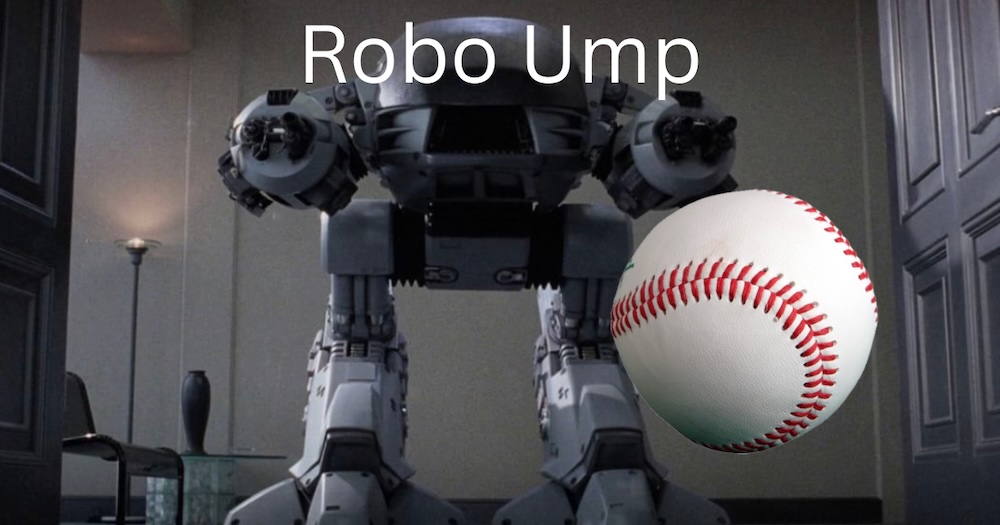
In my mind I saw images of a menacing, out-of-control robot standing behind the catcher.
Turns out that Major League Baseball IS implementing the Automated Ball/Strike Challenge System in the 2026 season. But there’s no resemblance to a robo ump.
Yet, that’s how it’s presented by broadcasters and headline writers across the World Wide Web. I wince every time I hear or see the words ‘robo ump’ used to describe the new system because of how misleading it is.
A sample of ‘robo ump’ returns from a Google search
So, what is the Automated Ball/Strike Challenge System, also known as ABS, if it’s not a robotic replacement for home place umps?
If you’ve attended any OKC Comets games at Chickasaw Bricktown Ballpark over the last couple of years, you’ve seen the ABS system in action. You may not even have noticed, because an umpire is still behind the plate calling every pitch.
However, each team can challenge two pitches per game, and then the ABS system takes over. Multiple cameras focused on home plate reveal whether the pitch crosses through the strike zone, and the results are shown on the park’s video board.
The whole process takes only a few seconds, is very low key, and the game quickly resumes. There are no hitters and catchers loudly complaining or angry managers charging home plate.
Don’t ask me how it works, because geometry is above my pay grade.
“The ABS Challenge System monitors the exact location of each pitch, relative to the specific batter’s zone. Players can request a challenge of a ball or strike call they feel the umpire got wrong, and, when they do, a graphic displaying the result is then transmitted over a 5G network from T-Mobile’s Advanced Network Solutions and nearly instantaneously shown to those in attendance via the videoboard and to home viewers via the broadcast.”
The MLB article goes on to describe the ABS System as a way to ensure calls are correct while keeping the human element.
“The Challenge System is seen as a way to get more of the most important calls correct without dramatically altering the sport overnight. It is a middle ground between full ABS and tradition,” MLB says in the article.
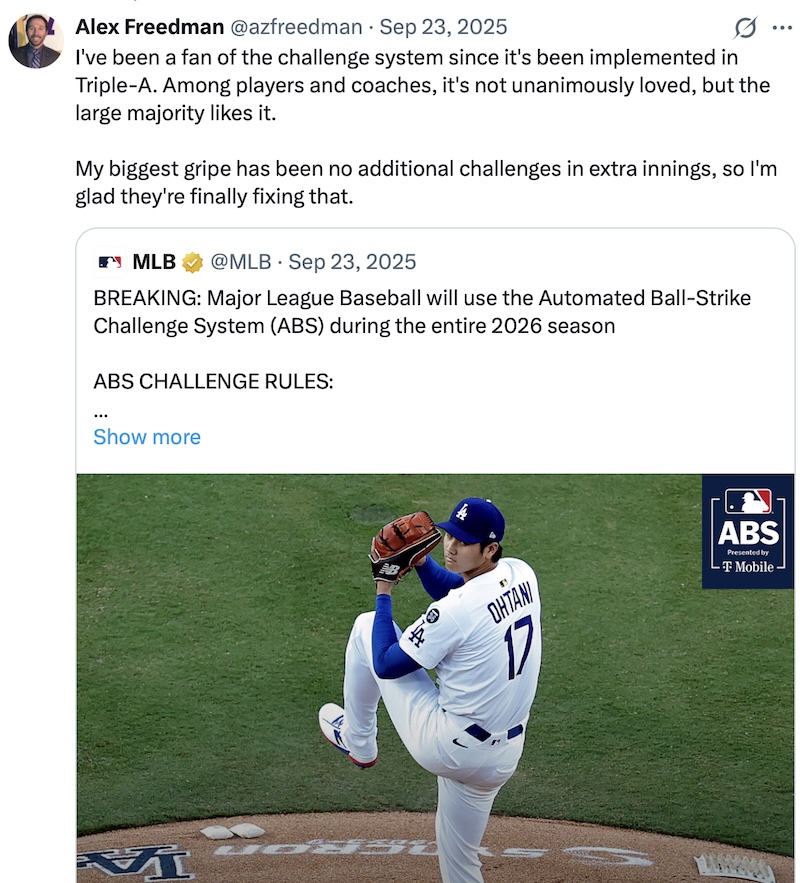
When MLB implementation of the ABS Challenge System was made last September, Alex Freedman, Broadcaster/Communications Director the OKC Comets, tweeted his support of the technology. He’s seen every Comets game in which it has been used, so he would be aware of any potential glitches.
“I’ve been a fan of the challenge system since it’s been implemented in Triple-A. Among players and coaches, it’s not unanimously loved, but the large majority likes it,” Freedman said on his X (formerly Twitter) feed.
I discussed my disdain of the term ‘robo ump’ to describe the ABS System on the most recent 3 Old Geezers podcast in which I participate. My fellow geezers scoffed at my dislike of the term, saying it’s no big deal.
Ed Godfrey said he objects more to the ‘ghost runner’ used in extra innings, but that argument can wait for another day.
Ed also reminded me that a ‘Robo Niner’ mascot once roamed All Sports Stadium back when the team was known at the 89ers.
So, call me the Robo Ump Police then, because I hate the term.
Here’s what Dan Patrick, my favorite sports broadcasting host, had to say about the ABS System and the way it’s been described on the Dan Patrick radio show, which is also simulcast on the Peacock Network:
“You still have to have an umpire. There’s not going to be a robot out there. It’s not going to be a robot; it’s going to be automated balls and strikes. Everybody thinks (it’s) like that Fox football robot’s out there.”
Yep, that’s how it’s presented in countless headlines and on sport talk shows. Go ahead and do a Google search for ‘robo ump,’ and see the dozens of headlines and videos proclaiming the coming of the robot
Well, it’s not. But the robo ump hype and hysteria is real, even if the robots are not.
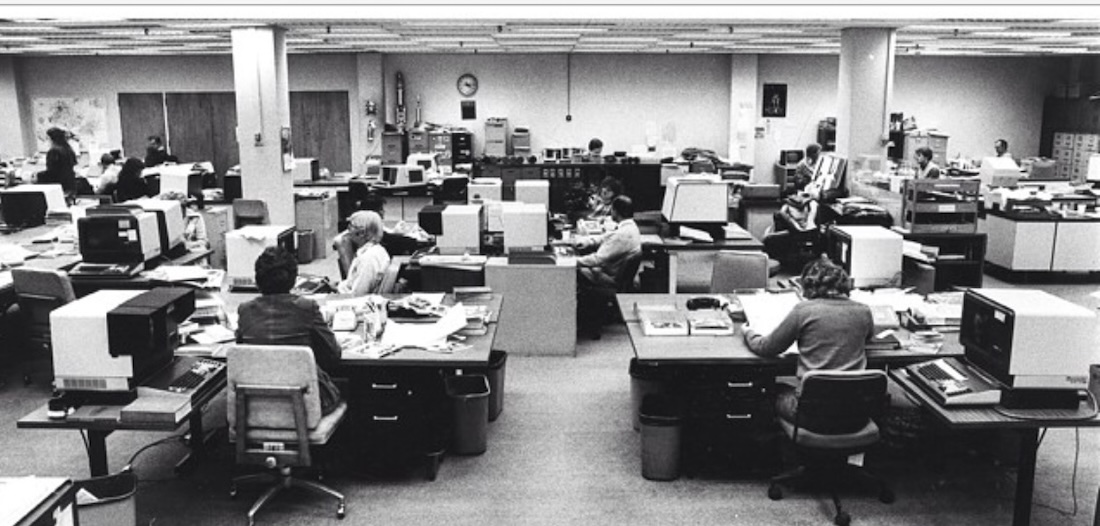
The Daily Oklahoman newsroom in the 1980s. Then Sports Editor Jerry McConnell is on the far right.
When I joined The Daily Oklahoman sports desk in the fall of 1983, it was a black and white world. Published photographs were all black and white. The newspaper pages themselves were black and white (and read all over!).
It’s hard to overstate the impact the newspaper had on Oklahoma City and beyond. The paper’s circulation was north of 200,000 and we circulated in every county in the state. When someone wanted a sports score or a football recruiting update, or to complain about a headline, they called the paper.
I know because I was on the receiving end of those calls a lot.
We drew our pages by hand on sheets of paper, which were sent down to the composing room to be put together by a large crew of folks. There was an often frenetic scene in composing as people rushed around at a frantic pace on deadline, shouting ‘we need a cut!’ for an editor to help them splice story that was too long as it was pasted on the page.
Some nights I acted as a copy editor on the sports desk, working to smooth the rough edges off of copy, as well as writing headlines. Other nights, I actually drew the pages, although I had such a lack of artistic vision that my pages usually looked as if they were part of a third-grade art project.
Anyway, desktop publishing was introduced in the newsroom in 1987. Our jobs dramatically changed, as we ‘drew’ our pages on a computer screen and they came out of the printers as one compete sheet instead of having to be pasted down by hand. There were far fewer people needed in the composing room.
Desktop publishing required more people to work on the sports desk to lay out individual pages. We were a little community that endured the stressful race to make three deadlines a night, often remaking much of the sports section for each deadline.
As desktop publishing became more sophisticated, one of my co-workers on the sports desk saw what was coming. He predicted that technology would advance so far that copy editors would all be replaced some day by ‘automatic headline writers.’
Doug Simpson, you saw where things were headed 30 years before it became reality. In fact, a recent Google search revealed dozens of sites offering AI headline writing, including the popular “Grammarly” site that offers a ‘free headline generator.’
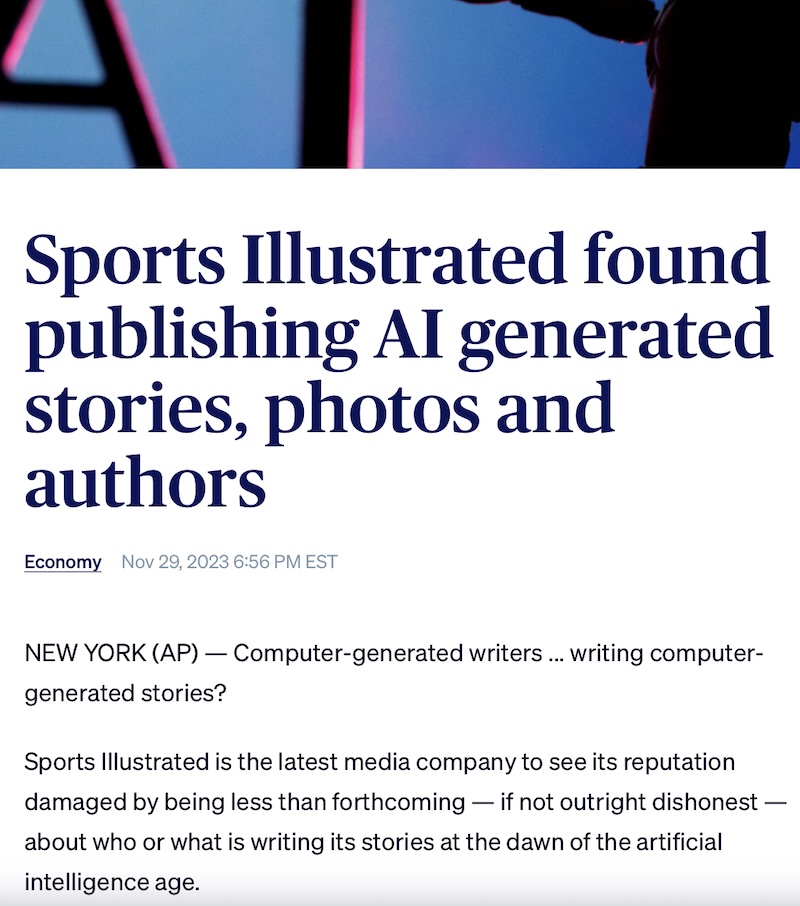
There has been ongoing controversy over news sites that use AI to write their actual copy, including a disturbing story from 2023 about some Sports Illustrated copy generated by AI. Sports Illustrated was once considered the Gold Standard of sports writing.
So where will it all end? Will artificial intelligence really displace millions of white collar jobs, including the software coding jobs that created AI in the first place?
Call me a skeptic, but I can’t see AI replacing airline pilots, health care professionals or school teachers, among many other professions.
But then, I think back to what my newspaper colleague Doug predicted more than three decades ago. There ARE automatic headline writers in 2026.
So, I’ll close this with a quote from one of my favorite movies, Caddyshack, which reflects the attitude of our AI overlords. It’s a scene where caddy Danny Noonan confesses to Judge Smalls during a round of golf that he might not be able to go to college because his parents don’t have enough money.
“Well, the world needs ditch diggers, too,” the judge tells Danny as he walks away.
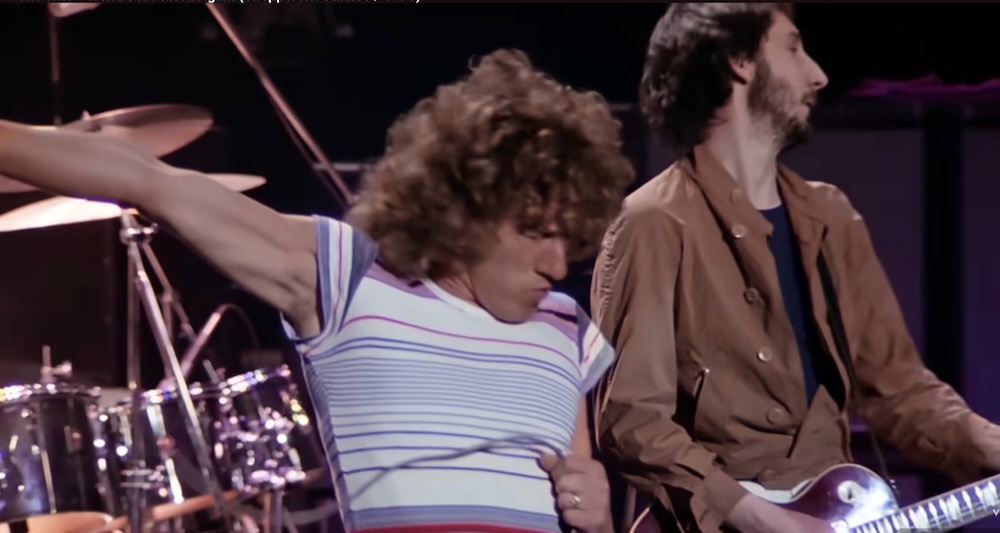
The Who on stage performing Won’t Get Fooled Again
I was listening recently to a playlist of mostly late 1960s, early ’70s music that is right in my wheelhouse. I graduated high school in 1971, and that’s when my music preferences were set in stone.
Anyway, the Guess Who’s ‘Undun’ was playing, and I was struck by a certain line that for some reason resonated with me, considering the political environment we’re enduring in the 2020s. These lyrics speak pretty loudly to today’s world even if they were written in the 1960s:
‘Too many mountains and not enough stairs to climb Too many churches and not enough truth Too many people and not enough eyes to see Too many lives to lead and not enough time’
You can decide for yourself who has the best grasp of ‘truth.’ Listen to the entire song below, and tell me how it hits you in 2026.
So, as I contemplated those lyrics, I got to thinking about other lyrics that are meaningful to me. It might be nostalgia on my part or that I’m taken with certain lyrics that advocate political change, or songs that to me just have memorable lines.
The breadth and depth of my musical knowledge is pretty shallow, so there are millions of songs I’ve never heard that have just as much meaning to their listeners. But here are some of the most meaningful lyrics to me that I’ve heard across the decades.
In My Life by The Beatles
This is definitely on my funeral playlist. I’ve already heard it played at the funeral of a former Oklahoman colleague within the past decade. I’ve written about how the Beatles were masters at songwriting in an earlier post that you can read here.
‘Though I know I’ll never lose affection For people and things that went before I know I’ll often stop and think about them In my life, I love you more’
Mrs. Robinson by Simon and Garfunkel
The last few lines of Paul Simon’s Mrs. Robinson are so memorable to me. It’s baseball, the passage of time and the loss of our heroes. I thought the song was perfect fit for The Graduate, as well.
‘Where have you gone, Joe DiMaggio? A nation turns its lonely eyes to you, wo wo wo What’s that you say, Mrs. Robinson ‘Joltin Joe’ has left and gone away…’
I Walk the Line by Johnny Cash
I think I was a senior in high school when this song really caught my attention. I loved Johnny’s deep bass voice and the way he hummed before each stanza. The words are about fidelity in a relationship … and then I saw the Gregory Peck movie by the same name, which had an ironic theme of total infidelity. Both song and movie stuck with me. More on Johnny Cash here.
‘I keep a close watch on this heart of mine I keep my eyes wide open all the time I keep the ends out for the tie that binds
Because you’re mine, I walk the line
I find it very, very easy to be true I find myself alone when each day’s through Yes, I’ll admit that I’m a fool for you’
Boulevard of Broken Dreams by Green Day
What list of memorable lyrics would be complete without a Green Day song? Stop laughing. I’m serious. Boulevard of Broken Dreams is all about the loneliness of an outsider.
‘My shadow’s the only one that walks beside me My shallow heart’s the only thing that’s beating Sometimes, I wish someone out there will find me ‘Til then, I walk alone
What’s Up by 4 Non Blondes
I discovered this 1990s song less than a year ago, and it’s become a favorite. It’s a plea for change that is even more relevant in 2026 than in 1995.
And I try Oh my God, do I try I try all the time In this institution And I pray Oh my God, do I pray I pray every single day For revolution
And so I cry sometimes when I’m lying in bed Just to get it all out, what’s in my head And I, I am feeling a little peculiar And so I wake in the morning and I step outside And I take a deep breath and I get real high And I scream from the top of my lungs “What’s going on?”
Sympathy for the Devil by the Rolling Stones
These are not just throw-away lyrics by Mick Jagger and Keith Richards. I’ve always thought of the Stones as wild, loud, trash-the-hotel type performers, but these lyrics from the devil’s point of view are pretty deep.
‘I was ’round when Jesus Christ Had his moment of doubt and pain Made damn sure that Pilate Washed his hands and sealed his fate
Pleased to meet you Hope you guess my name But what’s puzzlin’ you Is the nature of my game
Stuck around St. Petersburg When I saw it was a time for a change Killed the Tsar and his ministers Anastasia screamed in vain
Won’t get fooled again by The Who
Of all the rock anthems that I’ve listened to over the years, The Who’s Won’t Get Fooled Again might rock the hardest and offer the most overt political message, even if it’s the most cynical. Overthrow the establishment and end up right where you started.
‘I’ll tip my hat to the new Constitution Take a bow for the new revolution Smile and grin at the change all around Pick up my guitar and play Just like yesterday Then I’ll get on my knees and pray We don’t get fooled again Don’t get fooled again, no, no
Meet the new boss Same as the old boss’
Further on Up the Road by Johnny Cash
Another funeral list song delivered so well by Johnny Cash. I was surprised to discover that this song was written by Bruce Springsteen, It’s full of expectation and anticipation of one’s own demise. Cash recorded it shortly before his death in 2003.
‘Where the road is dark and the seed is sowed Where the gun is cocked as the bullet’s cold Where the miles are marked in the blood and the gold I’ll meet you further on up the road
Got on my dead man’s suit and my smilin’ skull ring My lucky graveyard boots and a song to sing I’ve got a song to sing, it keeps me out of the cold And I’ll meet you further on up the road
Where the way is dark and the night is cold One sunny morning, we’ll rise, I know And I’ll meet you further on up the road
Crime of the Century by Supertramp
I recently stumbled across this song by Supertramp, recorded in 1974, that seems to be a perfect fit for the political turmoil of 2026. I’ll leave it up to you to interpret what inspired the songwriters, Rick Davies and Roger Hodgson. It’s pretty clear why it’s so appropriate for today’s world. These are the entire lyrics to the song.
‘Now they’re planning the crime of the century Well, what will it be? Read all about their schemes and adventuring Yes, it’s well worth a fee
So roll up and see How they rape the universe How they’ve gone from bad to worse
Who are these men of lust, greed and glory? Rip off the masks and let’s see But that’s not right, oh, no, what’s the story? But there’s you and there’s me’
Smells like Teen Spirit by Nirvana
Finally, one that I went back and forth on including. Decided it would stay. Smells Like Teen Spirit was a huge hit on MTV back in the day when I watched it again and again. I wasn’t a teen and it was hard to decipher the lyrics, but I was taken by the energy and how different Nirvana’s music was. If you can understand Kurt Cobain’s screetchy wailing, these are lyrics that spoke loudly to their audience at the time. Don’t ask me to explain them.
‘With the lights out, it’s less dangerous Here we are now, entertain us I feel stupid and contagious Here we are now, entertain us A mulatto, an albino A mosquito, my libido, yeah Hey, yay I’m worse at what I do best And for this gift, I feel blessed Our little group has always been And always will until the end’
BONUS CONTENT
Other songs with lyrics that are memorable to me:
The Logical Song by Supertramp
Beware of Darkness by George Harrison
Needle and the Damage Done by Neil Young
London Homesick Blues by Jerry Jeff Walker
Revolution by the Beatles
Imagine by John Lennon
Sweet Child ‘O Mine by Guns & Roses
I’m 18 by Alice Cooper
Ode to Billy Joe by Bobby Gentry
Golden Slumbers by the Beatles
Wichita Lineman by Glen Campbell
A Day in the Life by the Beatles
This list could go on and on. What are some songs that have lyrics that are memorable to you? Post them in the replies to this post.
DOUBLE BONUS CONTENT — My friend Kent Taylor had some thoughts after reading this post. He said I could post them at the bottom, so here’s what he wrote:
‘Enjoyed your song list. Knew all the songs even tho ur a decade ahead of me.
So many songs I remember that bring back memories…hard to choose!
Beatles – best album cover, St. Peppers Lonely Hearts Club Band. All hits, played the title song in high school pep band. But can’t look past, “When I’m 64” since It’s a stones throw away!
I’d have to include most any CCR, Three Dog Night, Don McLean’s American Pie, certainly The Who’s Pinball Wizard, The Animals House of the Rising Sun, Queen, Rolling Stones, just so many.
So question – one that I’ve had many conversations w/friends over the years.
From each decade beginning with the 50s and going thru the 90s (primarily because I’m frozen in time thru the early 80s and don’t think I can name even 5 groups from the 90s forward) who is/are the top 2-3 groups/soloists from each decade that had the biggest impact on Rock-n-Roll? For example, I’d have to include Elvis and Chuck Berry from the 50s. But how do you eliminate names like: Buddy Holly, Jerry Lee Lewis, Ray Charles, & Little Richard?
Could do this with country music as well. I also played so many golden oldies in bands so I also have lists from the big band era.’
TRIPLE BONUS CONTENT — Ron Hadfield, an old friend and ACU classmate from back in the day, weighed in with his thoughts on music and lyrics. Ron approved my posting them at the end of this post.
‘Nice work, my friend. You were clearly more of a rocker than I was … listening to Supertramp, Nirvana, Guns & Roses. Those do not compute for me, good lyrics or not. I grew up in Detroit listening to Motown and Bob Seger and classic country and the early Eagles. I had more eclectic tastes than those, for sure, such as Neil Diamond and John Denver and a healthy dose of Canadians Gordon Lightfoot and Bachman Turner Overdrive. My first Texas tenure expanded my horizons to Jerry Jeff and his assorted buddies, and now after I have been naturalized, I am a big fan of everything from bluegrass to Western swing and such. As I age, I am growing increasingly wistful. The music I have lived and loved all my life means more and more. I have little patience for songs in which the instruments or rhythm makes the lyrics hard to decipher… So you are right: the words/lyrics matter, and potentially endure. We need to roll down the windows and go on a long car drive through the backroads to Kingsville and Padre Island, and explore the music that made us who we are. Well, perhaps wait for a warmer day first. ‘
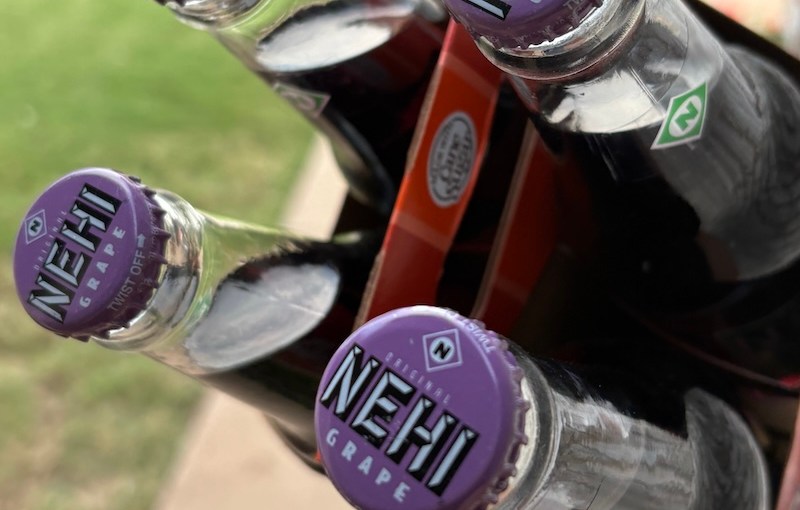
This four-pack of Grape Nehi was delivered to me by a mysterious sender
A few months back, I wrote a blog post about the joy of discovering Grape Nehi soda at a local Cracker Barrel restaurant. The bottle sparked warm memories from my youth and drinking Grape Nehi at my grandmother’s house. You can read it here.
Then a couple of weeks later, I attended the Fall convention in Tulsa of Care Providers Oklahoma, the Long Term Care association for which I then worked.
I had checked into my room at the River Spirit’s fine hotel when there was a knock on the door. When I opened it, no one was there, but I discovered a small package on the floor of the hallway. I grabbed it and took it into my room.
What do you know? The package included a Grape Nehi, but no card or signature from whomever delivered or sent it. I texted my CPO colleagues, but all declared they knew nothing about it.
The next morning, the same thing happened. Now I had two Grape Nehis. Still no one claimed responsibility.
You can see where this is headed.
By the end of the convention, I had a four-pack of Grape Nehis. Some of them were delivered to me at various convention meetings in which I was participating.
I speculated on who might have sent it. My colleagues all denied involvement, as well as a couple of CPO members that I knew. I thought it might be the husband of one of my colleagues who told me that he read my blog. She said it wasn’t him.
Hmmm. It was sort of like playing the old game of ‘Clue’ and pondering if it was the butler who did it with a kitchen knife in the study. I left Tulsa with a four-pack of Grape Nehi and the mystery of who sent it still unsolved.
Fast forward to December. At CPO’s annual employee Christmas luncheon, my colleagues asked me if I had any guesses on who was responsible for the Grape Nehi. Of course, I didn’t because I had guessed pretty much anyone associated with CPO that I knew.
With that, Natashia Mason, CPO’s Director of Strategic Initiatives, held out her phone to me, which had an ongoing Facetime call on the screen. I looked at it, and there was Blake Jordan, owner/administrator of Beadles Nursing Home in Alva.
“It WAS you!,” I said to Blake. “I guessed that it was you two months ago, but you denied it.”
Blake Jordan, the guilty party in the Grape Nehi mystery.
Sure enough, I had guessed that it might be Blake or his dad, Adam, both of whom have become friends of mine since I began working for CPO. Of course, they both denied it.
Although I left the CPO position at the end of the year, I recently pinged Blake to find out what prompted him to become my Secret Santa of Grape Nehi.
Here’s what Blake had to say:
“I remembered reading your blog post about seeing the Nehi being served at Golden Corral (editor’s note: it was Cracker Barrel), but not being able to get some. I thought you should be able to get a chance to enjoy it and ordered a pack of it. Instead of giving it to you all at once, I thought I would stagger it over the conference for a nice surprise throughout and have different people give it to you to keep you guessing. The CPO team was up for the fun, and they did a great job keeping it a secret. I think all of them knew the plan at the start and all played along.”
It played out over several months, and I thought I would leave the organization without knowing who sent the Grape Nehi. More from Blake:
“I have always liked a good mystery; I feel like it’s a way to feel a little magic in the world, kind of like the idea of Santa this time of year. I think on day two of Fall Fair you had a good idea of who it could be, asked me about it, but I wanted to keep it going for a little bit longer. Was thinking about keeping it going through the next years events, but someones retirement plans got in the way🙂
Thank you, Blake for the Grape Nehi, even if your responsibility was shrouded in mystery to me.
The Great Grape Nehi Mystery is finally solved.
BONUS CONTENT: Soon after this post was published I received this reaction from Kent Taylor, a friend who lives in Owasso, OK. Kent has his own Grape Nehi memories:
“That’s a good story. You have some good friends. It’s been years since I had a Nehi. As a kid, use to get one every time my dad and I went to the barber. He had a pop machine in his shop, I’d go first, then drink my Nehi while waiting on dad. Brings back memories.”
Editor’s note: As the curtain closes on 2025, I’ve gone through everything written on BlogOKC for the past year for my annual ‘best of’ column in which I select what I consider to be the best 10 of the year. In looking at the posts, I see a trend in what appeals to me for subject matter: nostalgia. Maybe I look back too often for topics that interest me, but that’s a lot of what I write about. Enjoy the top 10:
Frank Day’s labor of love honors the dying art of quilting
Frank Day works on a hand-stitched quilt, accompanied by one of his favorite pets.
A personal favorite right at the top. I discovered that my long-time friend Frank Day from Roland, OK, has become a prolific quilter. Today Frank is 75 years old and retired after more than two decades as fleet sales manager for Fort Smith’s Randall Ford. I think he can best be described in 2025 as a one-man quilting bee. That’s right. Frank Day began hand-stitching beautiful quilts over two decades ago, and continues his quilting avocation today. Read it here.
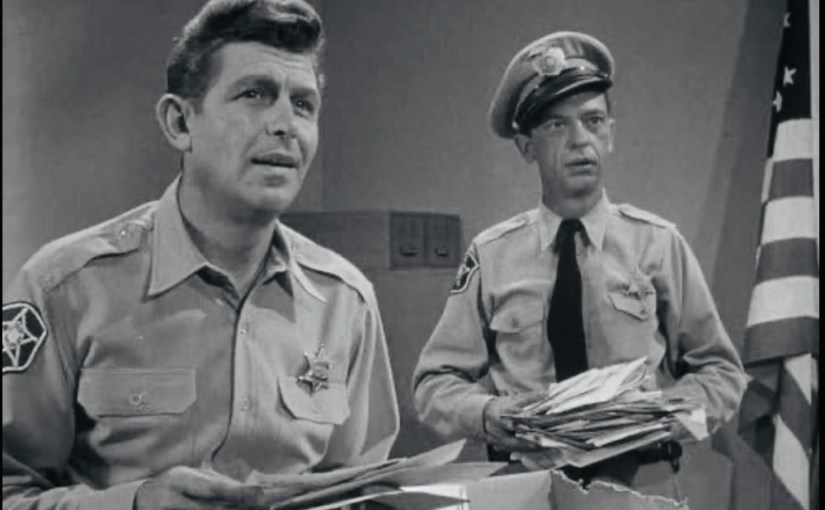
Best of the best: Top 10 episodes of the Andy Griffith Show
Andy Griffith and Don Knotts from an episode of The Andy Griffith Show
This post is on its way to becoming one of BlogOKC’s most read posts of all time. Here’s the first few sentences: “If I look at my friend Ed and say ‘how do you do Mrs. Wiley?’ he will know exactly what I am saying. In fact, he might reply with something like ‘I would recognize that accent anywhere. It’s definitely Back Bay Boston.’ Ed and I are true geezers, which means each of us has crossed over the retirement bridge and can indulge in pasttimes as we choose. And one of those is watching the Andy Griffith Show. Read it here.
Breaking News: Grape Nehi lives in 2025!
I discovered this bottle of grape Nehi during a recent visit to an OKC Cracker Barrel store.
So that brings me to August 2025. I discovered Cracker Barrel sells grape Nehi among the many nostalgic candy and soda brands it offers. When we arrived at the store along I-35 in far north OKC, it was filled with customers, and we had about a 35-minute wait for a table. As I sauntered through the store during our wait, I stumbled upon a soda display that had a grape Nehi right in the middle. Grape Nehi lives! Read it here.
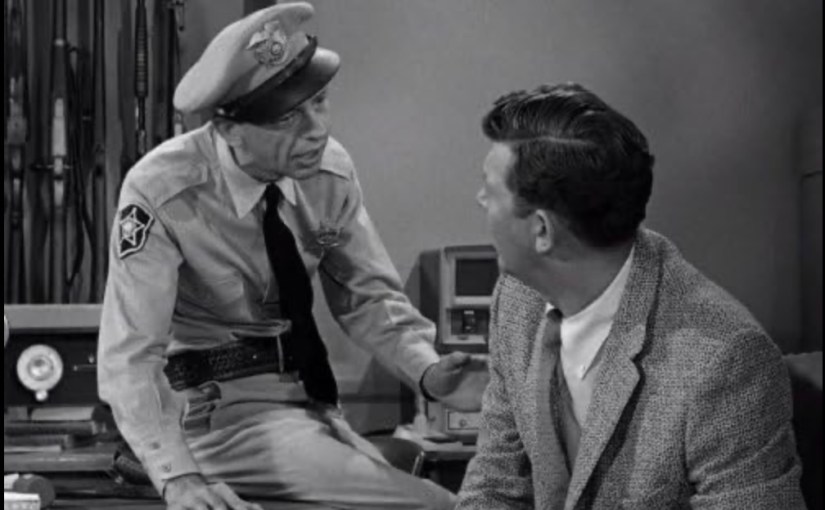
Best of Barney: Quoting the greatest sitcom character in television history
Barney consoles Andy with a heart-to-heart talk
My friend Ed Godfrey shared what he considers to be the best 10 Barney Fife lines from the old Andy Griffith show. Here’s how he started the post. “The best sitcom character in the history of television is Barney Fife, played by the great Don Knotts. I’m sorry, if you don’t agree, you’re wrong.” Read it here.
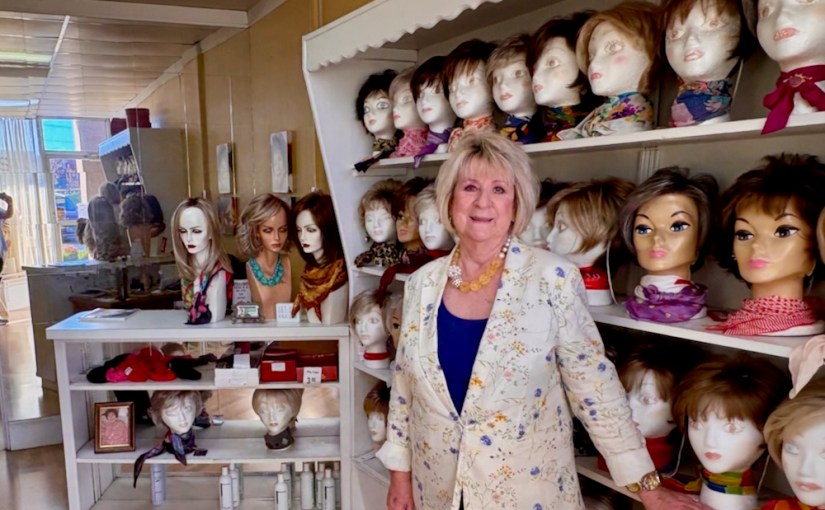
Linda (Faubus) Lewis is surrounded by wig-covered mannequin heads at her Theodora’s Elegante Wigs shop.
Another personal favorite because it reaches way back to my high school days. “When I saw the ‘Theodora’s Wigs” sign as I was driving past in Fort Smith, Ark., this week, it took me back more than 55 years into an earlier life. So, I veered off Towson Ave., into the Phoenix retail center lot and parked outside the wig shop. Read it here
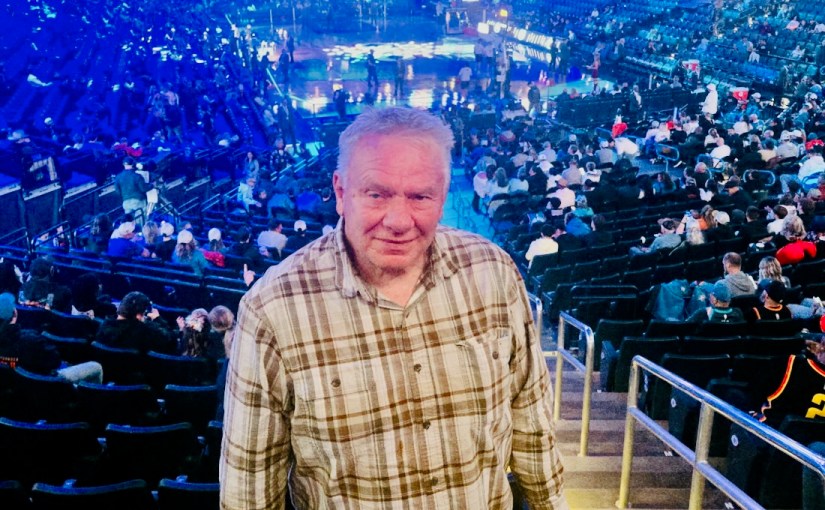
Meet the International Man of Mystery from Stigler, OK
Hershel Prentice at recent OKC Thunder game
If you ask Stigler, OK, native Hershel Prentice where in the world he’s been lately, he’ll gladly tell you. Dubai? Check. Oman? Check? Poland? Check. Austria? Check. Germany? Check, Newfoundland? Check? Labrador? Check. Check. Check. Whew! And that’s just this year. Read it here.
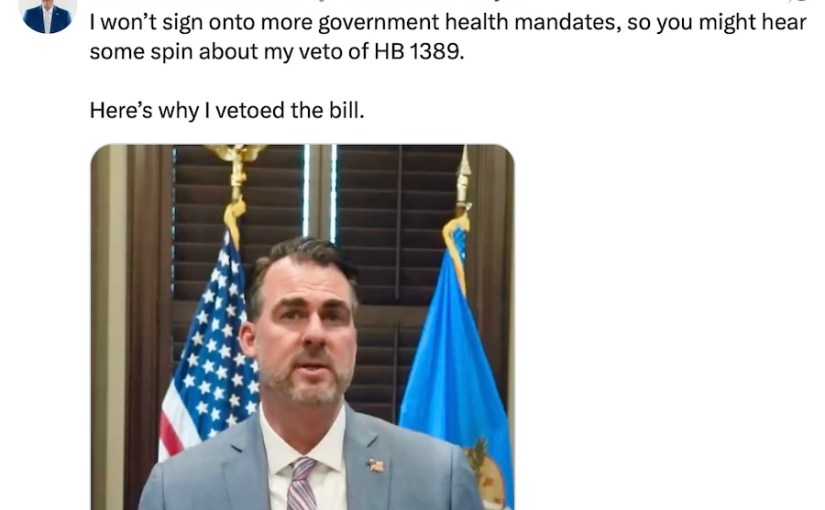
Gov. Stitt, let’s value lives over dollars
I don’t often take a political position in this blog, but when Gov. Stitt vetoed legislation that expands access for women to imaging technology that can detect breast cancer, I had to speak up. I called my legislators urging them to help overturn Gov. Stitt’s veto of legislation that expands access for women to imaging technology that can detect breast cancer. My wife, Paula, a breast cancer survivor, called our legislators, as well. Then I published this post. Read it here.
Customer service, without the ‘service’
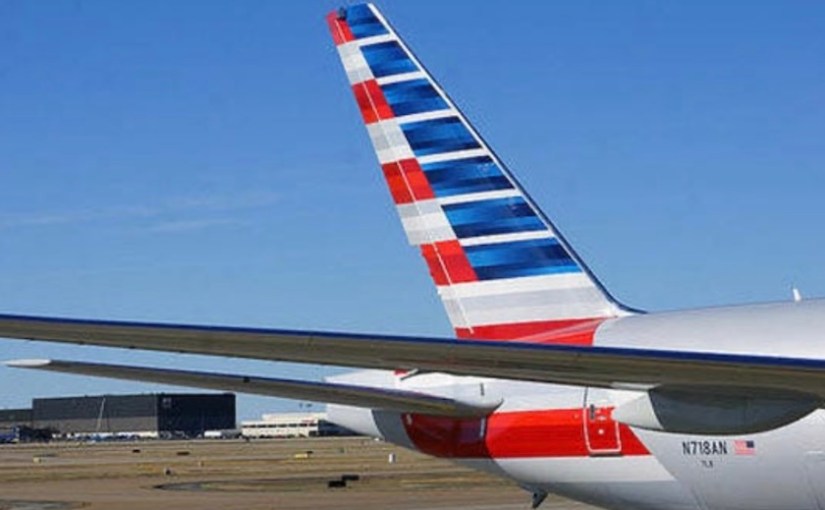
The tail of an American Airlines jet
More BlogOKC advocacy from a January post: Call me an entitled American, if you like, but there seems to be a wide gulf these days between the words “customer” and “service” in our society. I’m talking about when you call the “customer service” line of a major corporation and have to work through 15 AI bots that can’t help with any of your issues before a human finally comes on the line. Today, I’m ranting about a recent experience with the customer service department at American Airlines. (American fixed the problem after this post was published) Read it here.
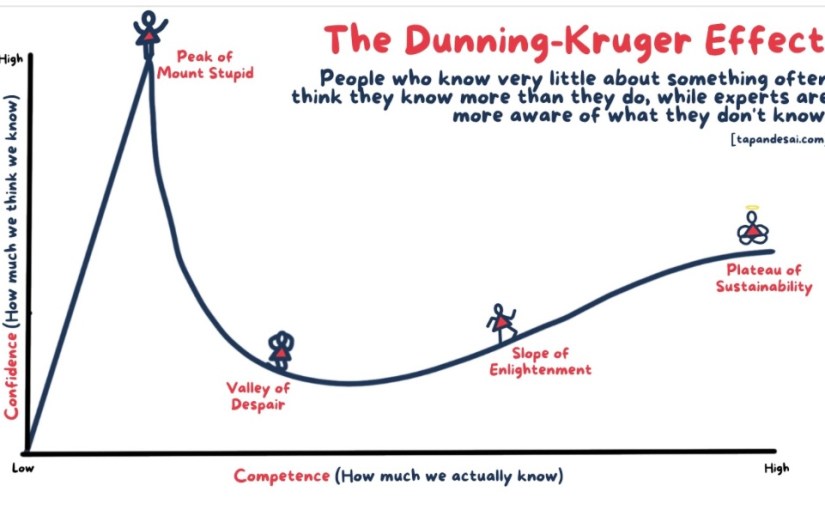
Dunning-Kruger Effect: I knew it all until I realized I didn’t
When I graduated high school in 1971 — in the bottom half of my class academically — I plunged into my future thinking I pretty much knew everything I needed to know and could handle anything coming my way. However, I didn’t know what I didn’t know. Read it here.
London Homesick Blues puts me back in that place Some college nostalgia: Back to 2025. I’m not sure how or why, but I began listening to “London Homesick Blues” on replay over the course of the past couple of months. A wave of nostalgia washes over me when I hear it, and it really does take me back to that place — the ACU campus and the people with whom I shared classes and The Optimist newsroom. Read it here.
I’ve been everywhere, man I’ve been everywhere, man Crossed the desert’s bare, man I’ve breathed the mountain air, man Of travel I’ve a-had my share, man I’ve been everywhere — “I’ve been everywhere” as sung by Johnny Cash
If you ask Stigler, OK, native Hershel Prentice where in the world he’s been lately, he’ll gladly tell you.
“I was in Croatia, Albania, Bosnia and Montenegro about a year ago,” he told me.
I listened with awe as Hershel recounted some of his travel experiences as I sat down with him at the home of our mutual friend, Ed Godfrey. Ed, with whom I worked for many years at The Oklahoman newspaper, is also a Stigler native and has known Hershel for even longer.
“I’ve been to about 90 countries so far,” Hershel said. “I’ve stood in Red Square in Moscow. I stood in Tiananmen Square in Beijing and I’ve been on the Great Wall of China.”
Did you catch that? Hershel has visited 90 — 90!– countries around the world. He told me that he lives out of hotels about half the time.
How does this happen, a country boy from rural Oklahoma literally traveling across the nation and the world virtually nonstop for decades?
A couple of things to note: Hershel is retired after 29 years of service with the Oklahoma Department of Human Services. A graduate of Northeastern State University in Tahlequah, he has no living immediate family.
Hershel said he often made road trips with his grandparents as a child, which sparked his love of travel, seeing new places and meeting interesting people.
“And I like maps, globes, far away names, Budapest, Istanbul,” he said. “I’d hear those names and knew I would go someday.”
His parents, who owned a trucking firm, are deceased, as well as a sister, his only sibling. He lives in the Stigler house that belonged to his parents, although it seems to be only for temporary respite between trips.
Hershel has a philanthropic side, too, in support of his hometown. He funds a scholarship for Stigler high school graduates to support their college education. And he’s a regular at Shelly’s Cafe whenever he’s in town.
“I’m the first customer,” he said. “5 a.m.”
When I asked Hershel how old he was, he was reluctant to reveal his age.
“I don’t do chronological things, I do situations,” said this International Man of Mystery.
So, what year were you born in?
“Just pick a number.”
All right, 1950. “OK,” Hershel said to the random number that I pulled out of the air. I’ll go with it. That would make him 75 years old, or somewhere in that neighborhood.
Never married, Hershel said he prefers to travel alone.
“Fast and free that way, when you’re alone,” he said.
Yeah, but don’t you get lonely?
“Not really.”
Hershel’s travel is arranged by a Fort Smith, Ark., travel agent. Most of his world travel is done as part of group tours with a set itinerary. That ensures he’s not totally alone on his sojourns, although he said he uses free time to explore on his own.
How has he been treated as an American tourist in all these foreign lands? He says he’s been treated well everywhere and never feared for his safety, including in Cuba, where he went as part of a program arranged by the U.S. Treasury Department.
Here are some fun facts about the International Man of Mystery’s travels both here and abroad:
Hershel has visited all 50 states, visiting famous and little known museums, national parks, Civil War battlegrounds and much more. He’s seen baseball games in all but eight Major League parks, along with dozens of minor leagues parks across the country. He’s been to NBA, NFL and college football games, NASCAR events, toured multiple halls of fame, every presidential library and points of interest like the site of Custer’s Last Stand in Montana or the big ball-of-yarn museum in Kansas. He’s visited every county seat in Oklahoma, as well as in Arkansas.
He’s made friends and met many interesting people along the way. Sometimes, he’s run into fellow Oklahomans in, say, Europe or Asia.
“People that you meet who are visiting Auschwitz, people that would go pay money and time to go do that, they’re gonna be pretty interesting,” he says. “Or you’ll have a common factor. If I meet someone on a trip, I tell them I’ve been by their house, because wherever someone is from, i’ve been by there or near there.”
The most interesting country Hershel has visited?
“Probably Cuba,” he said. “It’s just amazing how they live there, how it was for a long time and how it is now. They don’t have Internet, you couldn’t use a credit card; they didn’t have that infrastructure. We had to use pesos or American money or Euros. They like the Euro more than the dollar.”
He visited Havana, along with the infamous Bay of Pigs, Hemingway’s home, and coastal areas along the island.
I became acquainted with Hershel Prentice a few years ago through Ed when we all went to an OKC Dodgers (now Comets) game together. Hershel’s also a big fan of the OKC Thunder, and sent me a photo of himself at a recent game at Paycom Center. He has called Ed from many museums, ballparks and foreign cities. He often brings him souvenirs from his travels.
Hershel showed me a set of refrigerator magnets decorated to represent the flags of about a half dozen Scandinavian countries. Of course, he’s been to all of them.
So, what’s on Hershel’s travel itinerary for 2026? For now, he’s looking at traveling to Uzbekistan and Kaspiysk, located in former Soviet Union territories and now independent Russian states.
Still, I wanted to know what compels him to stay on the move. His answer was about modes of travel as much as about locations. He likes planes, trains, trolleys, subways.
“Anything that moves,” he said. “I like it when it takes off, that little thrust, the movement. Here we go to a new place, new time, new day, new people. Being free.”
Hershel, you really are the International Man of Mystery.
Hershel Prentice at the Dardenelles Strait in Turkey in 2024.
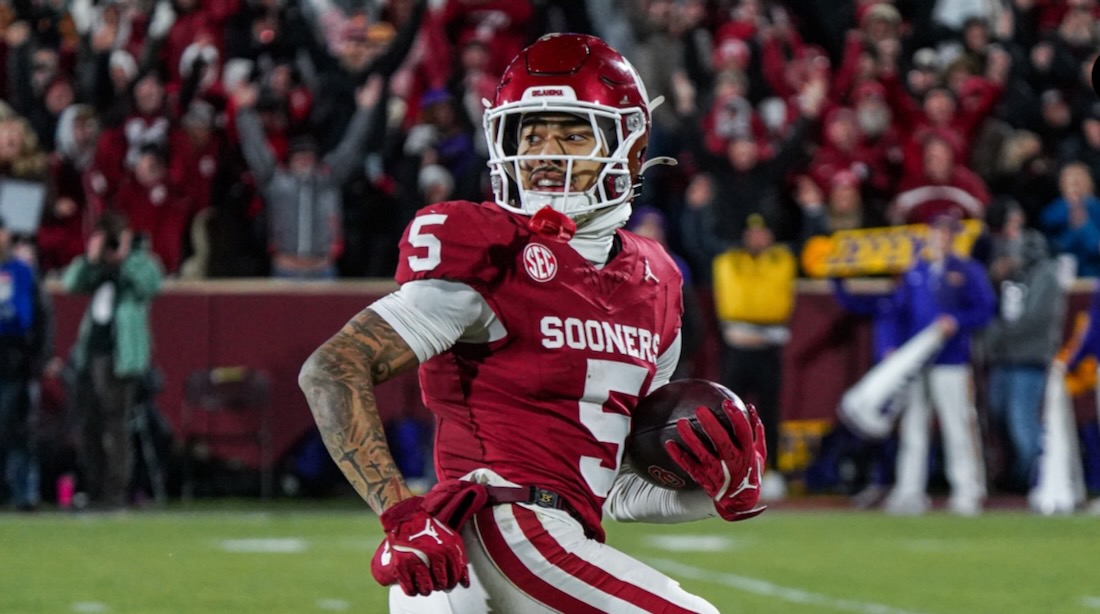
OU receiver Isaiah Sategna races toward goal line in victory over LSU.
When OU wide receiver Isaiah Sategna blew past LSU defensive backs in busted coverage last week to catch a game-sealing 58-yard TD pass, I missed the moment.
I could say that I was out back on our patio grilling or answering an unexpected knock at the door, but it would not be true.
The truth is that because it was late in a really tight game and I was invested in the outcome as someone who has bought into OU, I found something else to do at that moment.
Why?
Well, turning my back on a close game in which I have a rooting interest goes back many decades. I’m not even sure what to call it. Lack of courage? Can’t face reality?
Call it what you will, but I prefer to call it my double-reverse jinx.
As a pre-teen in the early 1960s, the Arkansas Razorbacks were my team. I lived and died with the Hogs. In those days, you mostly had only radio broadcasts on which to follow college football games.
So, when the Hogs were playing on an autumn afternoon I was tuned in — until I wasn’t. I specifically remember, when, in the second half of a really close game with the Razorbacks in a precarious position, I abandoned the radio, ran out into the back yard and started throwing a football around.
A few minutes later, I went back in and caught a couple minutes of the broadcast, but the outcome was still pending. I went back outside.
When the Hogs won that game with me not listening, I decided that all their success hinged on me not ever listening again when the outcome was on the line. Somehow, I controlled their fate.
My double-reverse jinx helped the Hogs have a great decade of success in the ’60s.
Fast forward to the late ’80s when I worked on the sports desk as a copy editor at The Daily Oklahoman. That meant that my daily working hours were from roughly 3-4 pm until midnight or 1 am.
Those working hours afforded the opportunity to drive out to the then-new Remington Park race track in the early afternoon on almost a daily basis to watch and wager on the horse races.
You know where this is going.
Yep, if I had $2 on a horse and it was among the leaders as they came off the final turn and into the stretch, I would turn my back and only listen to the track announcer’s call. One afternoon, I had maybe $5 on a horse and spent the entire race in the men’s room, safe from ruining the outcome by actually watching my horse.
I took a lot of grief from my newsroom colleagues for not being able to watch the outcome of races on which I had wagered. But that’s how I rolled.
Fast forward to 2025. It’s still how I roll when watching the Sooners, the Razorbacks, even the Thunder. When the game gets tough and the outcome precarious, I bail on the game.
And then it happens. Shai Gilgious-Alexander hits a game clinching 3. Isaiah Sategna makes a game winning catch.
The old double-reverse jinx does it again.
BONUS CONTENT: Don Mecoy, a friend and past contributor to BlogOKC, shared some of his own experience in not jinxing his favorite teams:
“Super Bowl V. Cowboys-Colts. I got on my bike during the game and rode and rode. Didn’t help.
“National Championship game in 2000. Sat in the same spot on the couch throughout the first and second half. Really had to pee by the end of the game. And I was hungry too. Literally didn’t get up once.”
 So, how were we able to watch that from the stands at Arlington Stadium?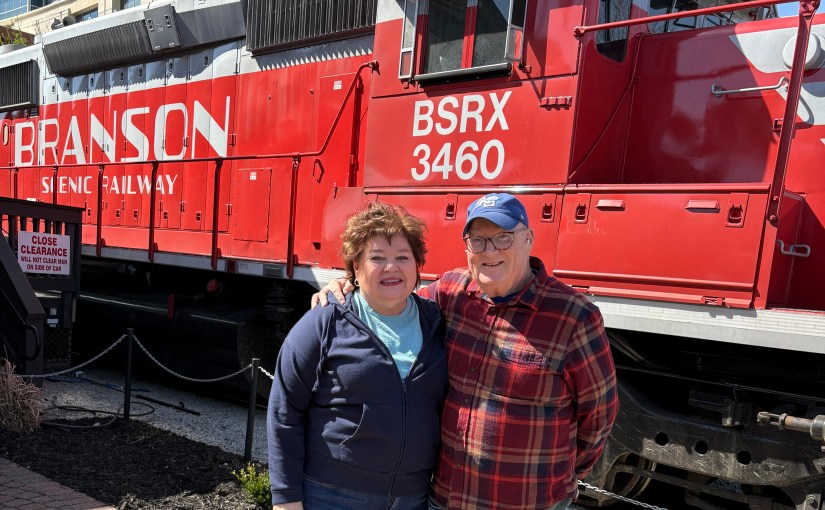
 Afterward, Gary and I walked out the north doors of the Myriad, into the downtown streets with thousands of long-haired fans. We were probably the only ones looking for our parents. Neither of us recalled instructions about where to meet them. Just, you know, “find us afterward, somewhere.”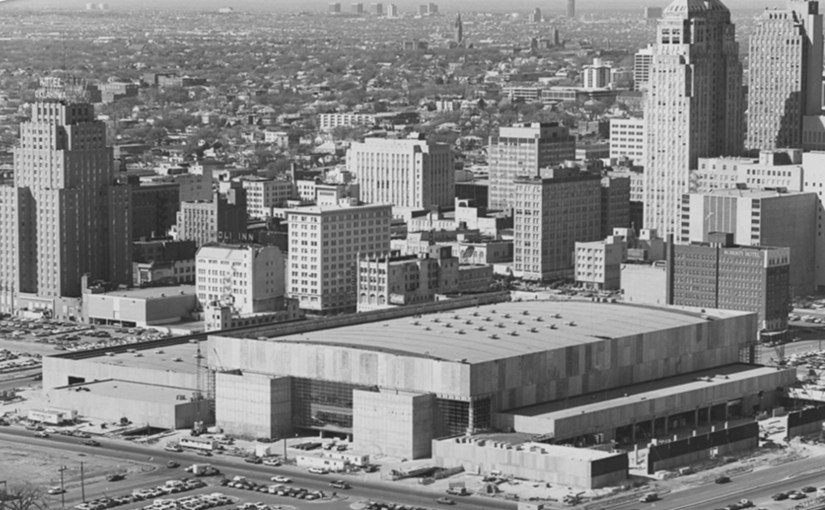
 I was listening to a late-night sports talk radio show recently when the host began talking excitedly about ‘robo umps’ coming to Major League Baseball. He was totally opposed to the concept because, as he said, ‘it takes the human element’ out of the game.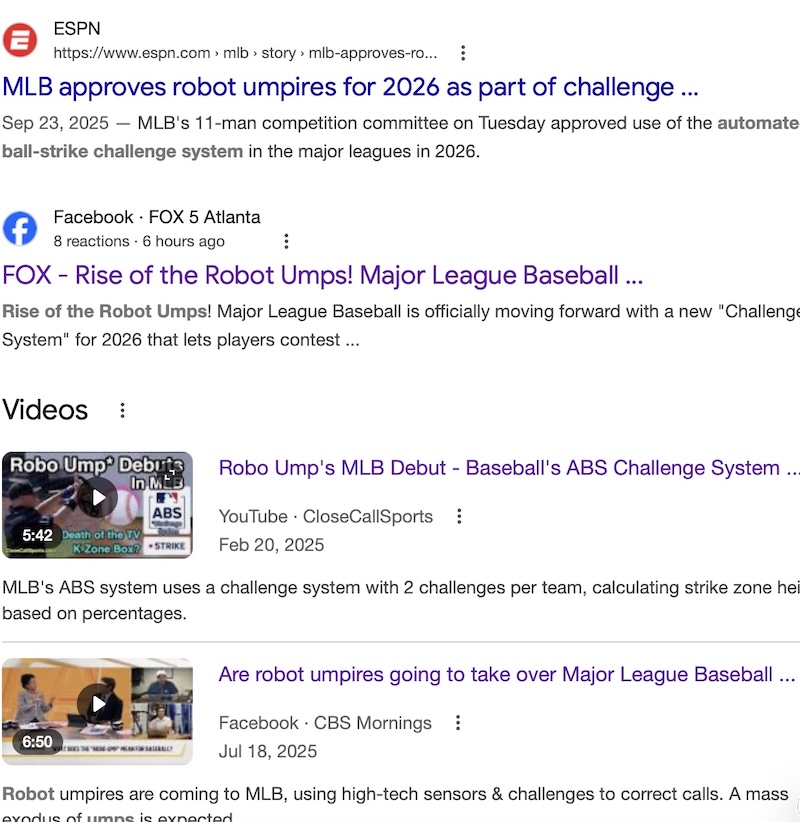


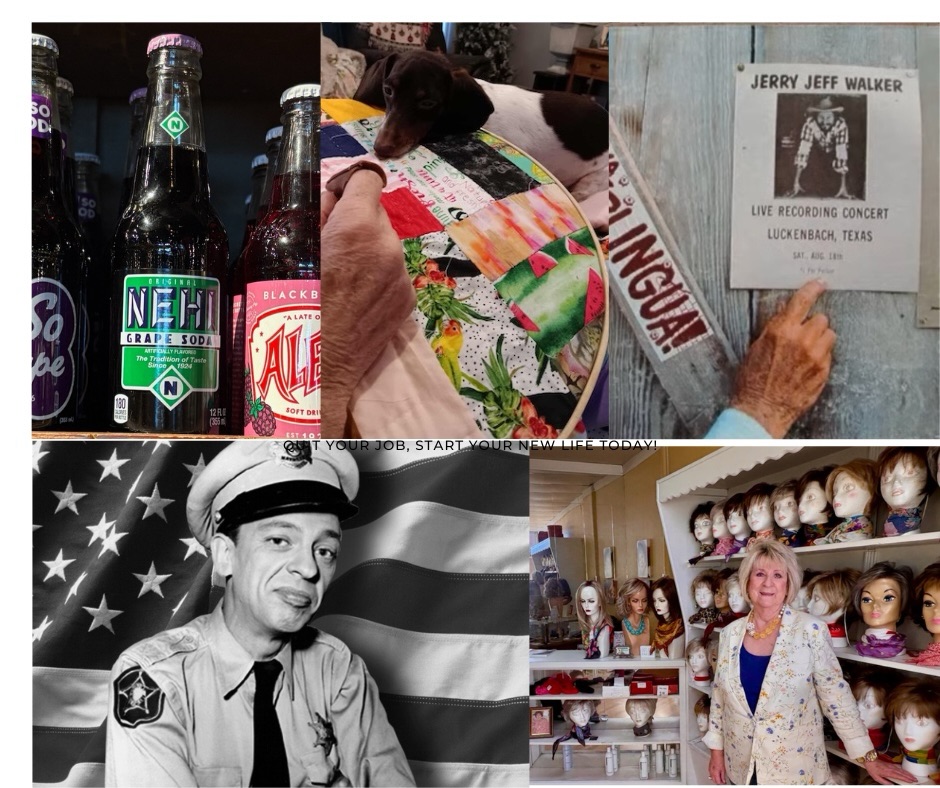 Editor’s note: As the curtain closes on 2025, I’ve gone through everything written on BlogOKC for the past year for my annual ‘best of’ column in which I select what I consider to be the best 10 of the year. In looking at the posts, I see a trend in what appeals to me for subject matter: nostalgia. Maybe I look back too often for topics that interest me, but that’s a lot of what I write about. Enjoy the top 10: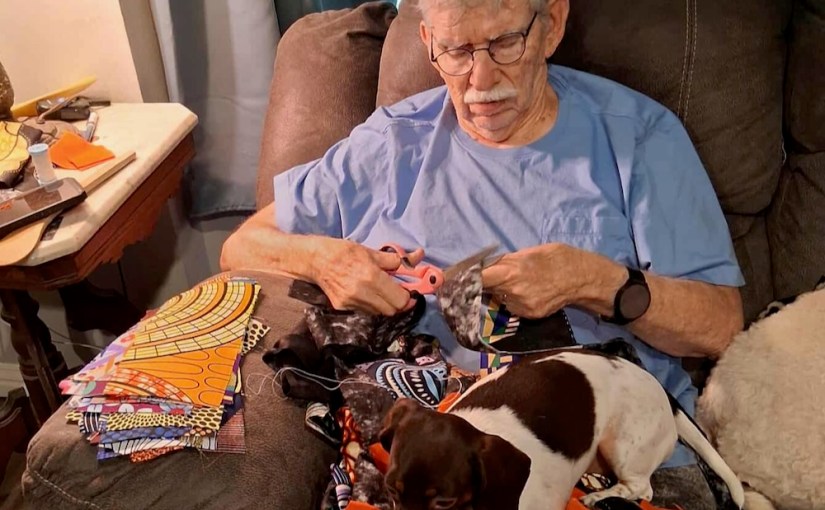

 Some college nostalgia: Back to 2025. I’m not sure how or why, but I began listening to “London Homesick Blues” on replay over the course of the past couple of months. A wave of nostalgia washes over me when I hear it, and it really does take me back to that place — the ACU campus and the people with whom I shared classes and The Optimist newsroom.
 Jim Stafford's BlogOKC