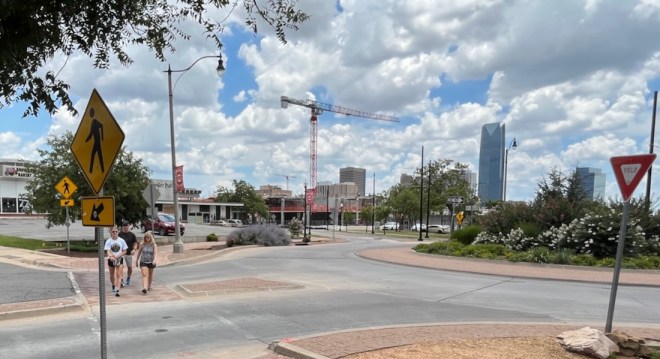
I just read Jeff Speck’s “Walkable City: How Downtown Can Save America, One Step at a Time,” and I don’t know where to start with my reaction.
Do I question my choice of a virtually unwalkable neighborhood in which we live?
Do I celebrate the incredible strides Oklahoma City has taken to make our downtown livable AND walkable?
Do I ask about how a city like OKC can apply any of these principles in older, economically challenged neighborhoods that don’t lend themselves to walking?
First of all, it’s an engaging book that provides dozens of examples of cities that provide both good and bad environments for walking and urban life.
Jeff Speck, you might remember, is the urban planner and author who advocates making urban areas pedestrian friendly to encourage both economic development and urban living spaces. He consulted with the City of OKC about 15 years ago that resulted in big changes downtown, especially in the elimination of most one-way streets.
Speck outlines what he considers 10 important steps to remaking a downtown into an urban area that encourages walking (or biking) and puts cars in their place. It’s often a diatribe against city engineers, whose No. 1 mission appears to be accommodating the automobile.
Here’s a Q&A that my friend and former colleague Steve Lackmeyer did with Speck back in 2013 when he came to town for a book signing event for Walkable City. As far as I recall, there are only two mentions of OKC in Walkable City, although I think it may have been written before he dove into the challenge of remaking our downtown.
So, first, let me address my own neighborhood. My family lives in Twin Oaks, which is technically an Oklahoma City neighborhood but far removed (16 miles!) from downtown and as car-centric of a living space as possible. There’s no nearby transit, little retail within walking distance and from my own experience, a real disconnect between the people who live here and downtown OKC.
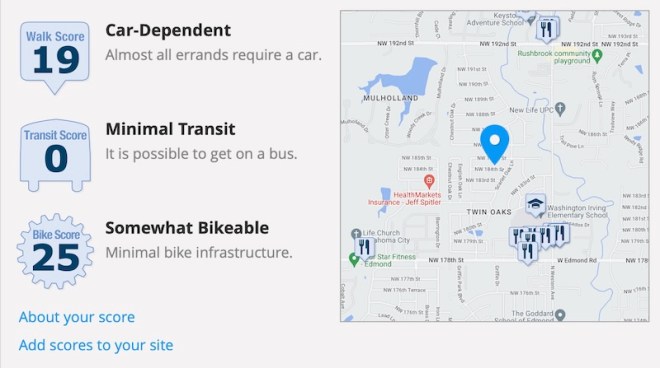 In fact, according to the Walk Score website that considers a number of factors for specific locations, Twin Oaks scores a 19 out of 100, or “car dependent,” according to the website. We also score a 0 for access to transit and a Bike Score of 25 for “somewhat bikeable.”
So, it’s a pretty serious indictment of this part of town as far as our urban environment.
As far as my neighbors, I’m not sure they care about what’s happening downtown, because it seems that few ever travel to downtown. I’ve even heard some question the city’s investment in amenities like our wonderful Scissortail Park.
Although this is where I’ve raised my family, in part because of proximity to excellent schools, I still count myself as a downtown advocate who’s proud of what has been achieved.
That brings me to the second question. Of course, I celebrate what our downtown has become and encourage my reluctant neighbors to join in. The remake of downtown since the passage of the first MAPs package has enhanced OKC’s reputation beyond measure.
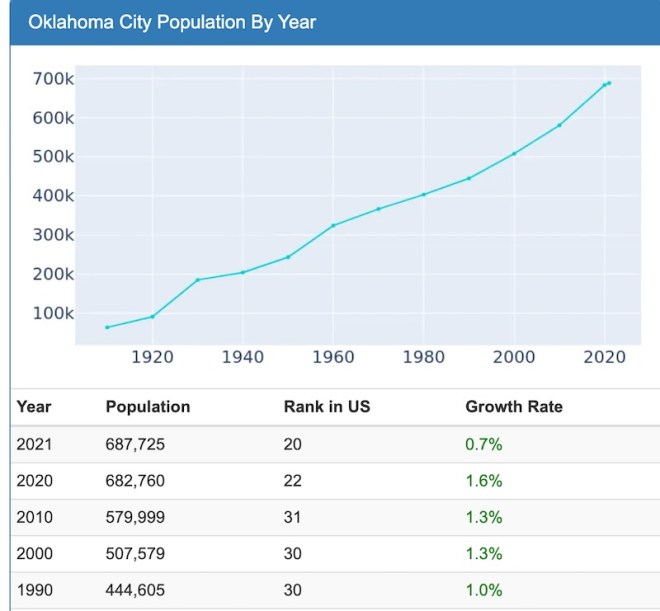
Our population growth numbers reflect it. OKC grew from 444,000 in 1990 to more than 687,000 in 2021, advancing from the nation’s 30th largest city to the 20th overall.
 I worked downtown in the 1980s, and I can assure you there was little to brag about. We had one downtown hotel, the Sheraton, a failed retail mall and absolutely no one on the sidewalks after 5 pm. Downtown was a ghost town on weekends.
Contrast that with the life you can now find downtown virtually any day of the week, from restaurants, hotels, Bricktown, to the Chesapeake Arena and our magnificent downtown park. It’s a wonderful place to spend time.
My final question seems more difficult to address.
We’re celebrating downtown and the walkability and the life it has, but how do we address our city neighborhoods with lots of economic need? Not just walkability but creating sustainable lives and welcoming neighborhoods that support the people who live there.
I’m talking about many of those on the south side, east side and just west of downtown.
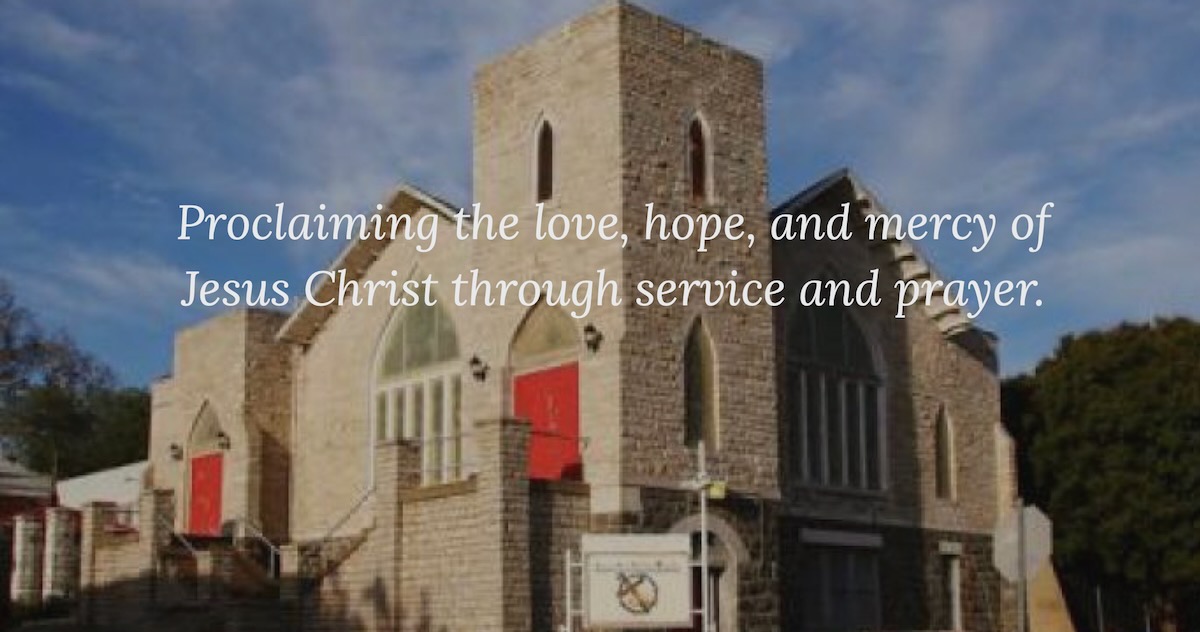
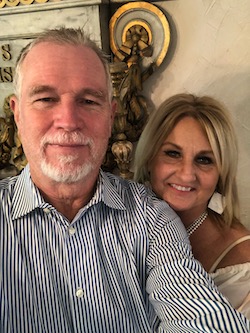
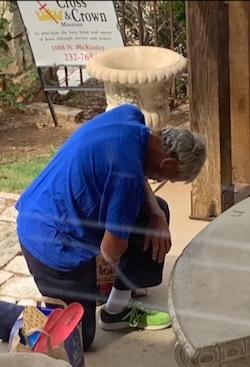
That’s the sort of question that some folks in my church asked about two decades ago. Paul and Suzanne Whitmire led the establishment of the Cross & Crown Mission at 1008 N. Mckinley, an area that teemed with abandoned houses and residents in need of jobs, food and someone who actually cared.
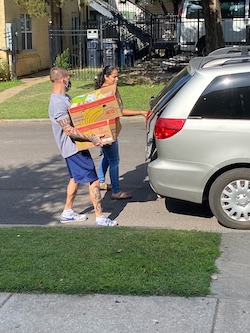
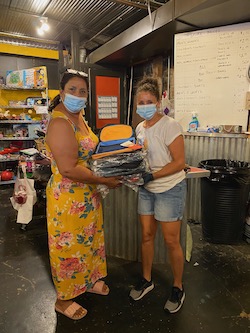
Since they started Cross & Crown with the help of dozens of volunteers, the Whitmires have virtually remade that neighborhood, buying and rehabbing abandoned houses, giving away food and clothing every week and helping people deal with other challenges that poverty brings.
You should check out Cross & Crown and have a conversation with Paul, who is incredibly passionate about the Mission and its, well, mission. Here’s a Q&A I did with Pau Whitmire about a year or so back.
Paul and Suzanne Whitmire show what can be done.
Anyway, my point is that we’re excited to see the revitalization of downtown and the great vibe it created for our city. Neighborhoods like mine can take care of themselves, but there are still vast areas of OKC that need a spark like that brought by Cross & Crown.
Actually, Speck has an answer for the question of why focus so heavily on downtown.
“The downtown is the only part of the city that belongs to everybody,” he writes. “It doesn’t matter where you may find your home, the downtown is yours, too. Investing in the downtown of a city is the only place-based way to benefit all of its citizens at once.”
Still, I hope that as we celebrate the progress made with a walkable, inviting downtown, we consider ways to help far-flung OKC neighborhoods that need their own walkability initiatives.
They’ve been written off far too long.

 Q: What population are you serving, (and how have you gained their trust over the years?
 Q: What type of services do you provide?
 Q: How do you measure the success of your ministry?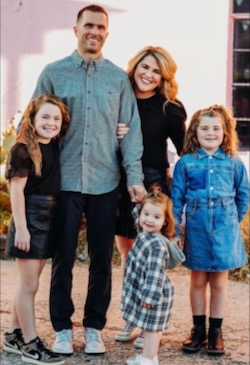
 A: Donate or volunteer. Donate almost anything if it works. Clothes, food, appliances, furniture, cars. Call Paul at (405) 232-7696. Volunteer — let’s get past COVID.
 Jim Stafford's BlogOKC