Baseball-themed road trips have been a big part of fandom for decades. Major League Baseball fans will drive thousands of miles over a week’s time or more to watch as many games in as many different cities and stadiums as possible.
For instance, my friend Mike, along with his brother and his son, would drive from OKC to, say, Chicago to see a game at Wrigley Field one day, Comiskey Park on the south side the next. Immediately after that game, they would drive 300 miles to Detroit to catch a Tigers game the next day, then on to Milwaukee to see the Brewers the next.
Sounds exhausting, but a big part of the attraction was soaking in the atmosphere of different MLB stadiums, each of which offers a unique experience in architecture, food, fans and even dimensions of the field.
My MLB experience is much more limited. I’ve watched games in 13 different major league ballparks in my life, six of which are no longer in existence or in use. Read a post about my first MLB experience in the early 1960s at Houston’s old Colt Stadium,
But I think I’ve sampled enough to know which ones are my favorites for the in-stadium experience. So, in honor of the official opening of MLB season — even if it was in Tokyo — I’m ranking my three favorite MLB stadiums.
I’ve also asked four friends who have experienced a lot of baseball venues to weigh in with their top three, as well. Their rankings follow my list.
As for me, I was privileged to attend the annual Biotech Innovation Organization — BIO — Convention for 12 consecutive years with the delegation that showcases Oklahoma biotech industry at the show each year. Those trips created the opportunity to watch MLB games in six different cities, including San Francisco, San Diego and Boston, which are the top three venues for me.
Here’s how I’ve ranked them.
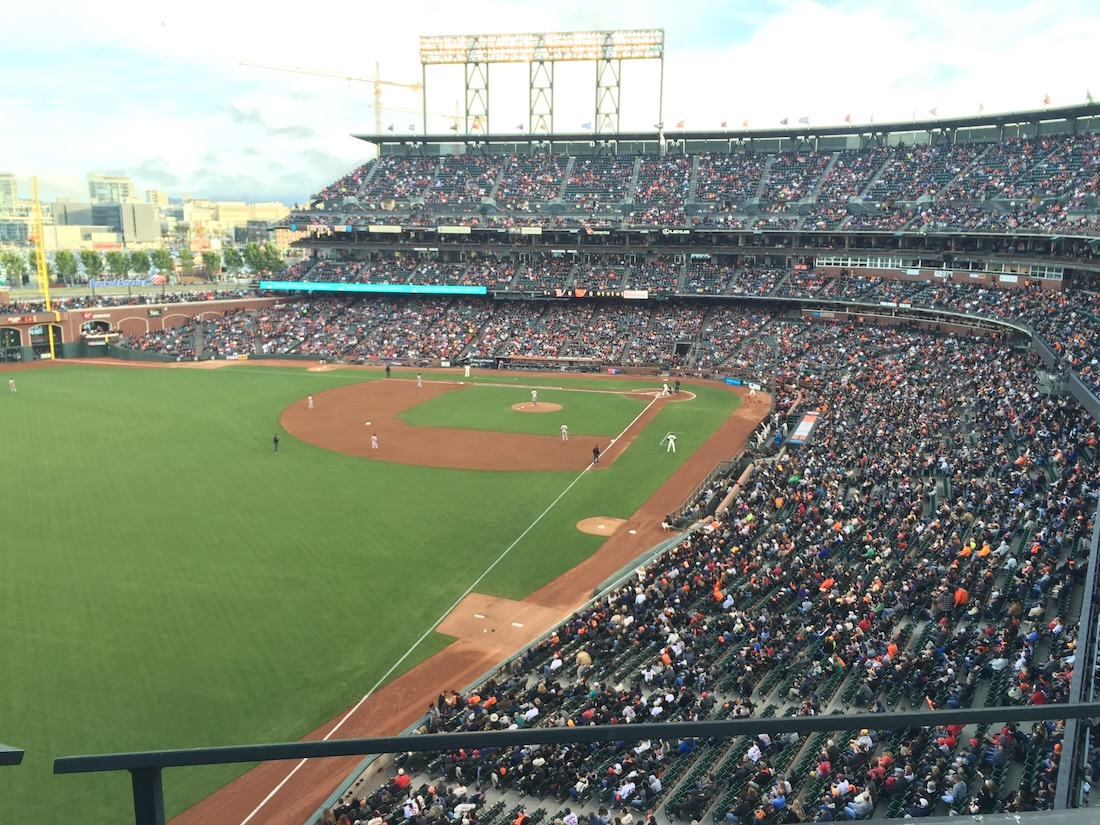
No. 3: Oracle Park in San Francisco (opened in 2000 as PacBell Park). I was able to combine two of my passions — rail-fanning and baseball — on this trip. I caught the Muni Metro train on Market Street, and it delivered me and about 400 of my closest friends wedged into the car right outside the stadium. As far as Oracle Park, it’s in a beautiful setting, situated so close to the San Francisco Bay that many home runs to right field land in what is known as McCovey Cove in the bay. The park offered great food and drink options, as well as a display of Giants’ World Series trophies on the left field concourse. It was a great experience, despite the chilly San Francisco weather.
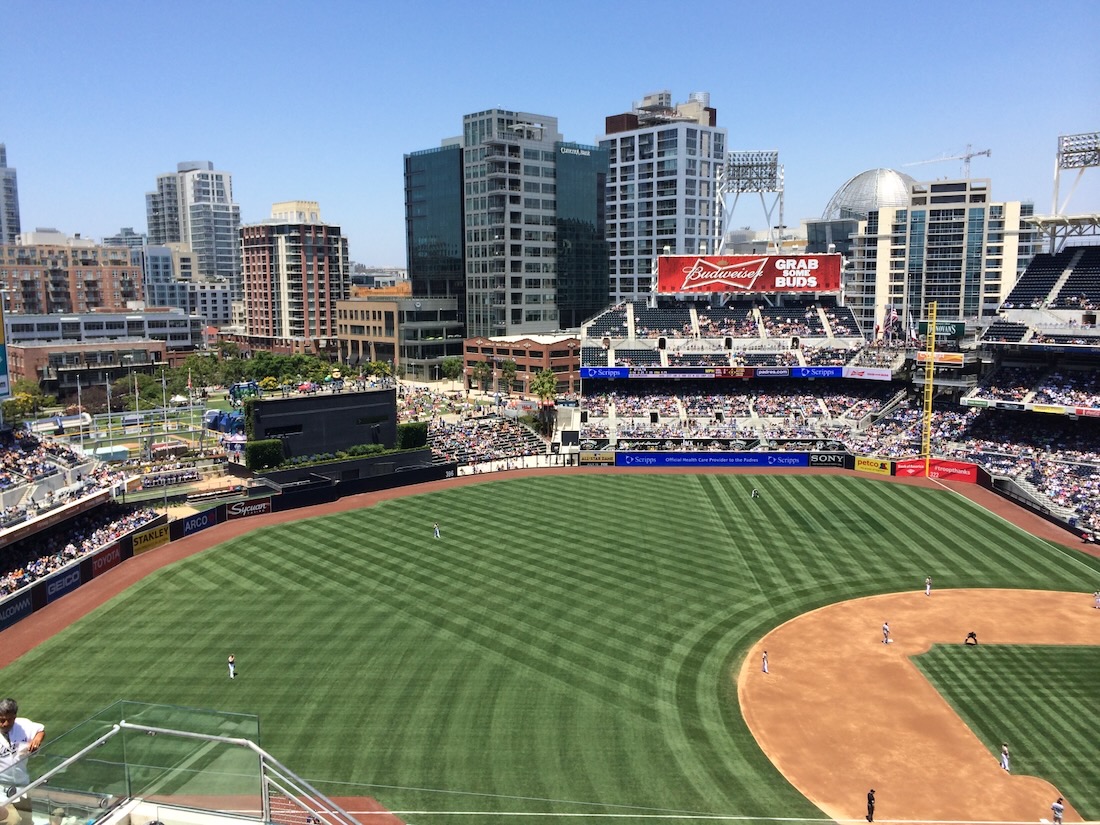
No. 2: Petco Park in San Diego. Another ballpark with great public transportation options. I attended a Padres game on two straight BIO trips to San Diego. Located in the heart of San Diego’s Gas Lamp entertainment district, I loved the Petco experience because it has a real open feel to it, with a great picnic area in right field, and an old downtown building incorporated right into the stadium down the left field line. It is renowned for fish tacos, but food options seemed endless.
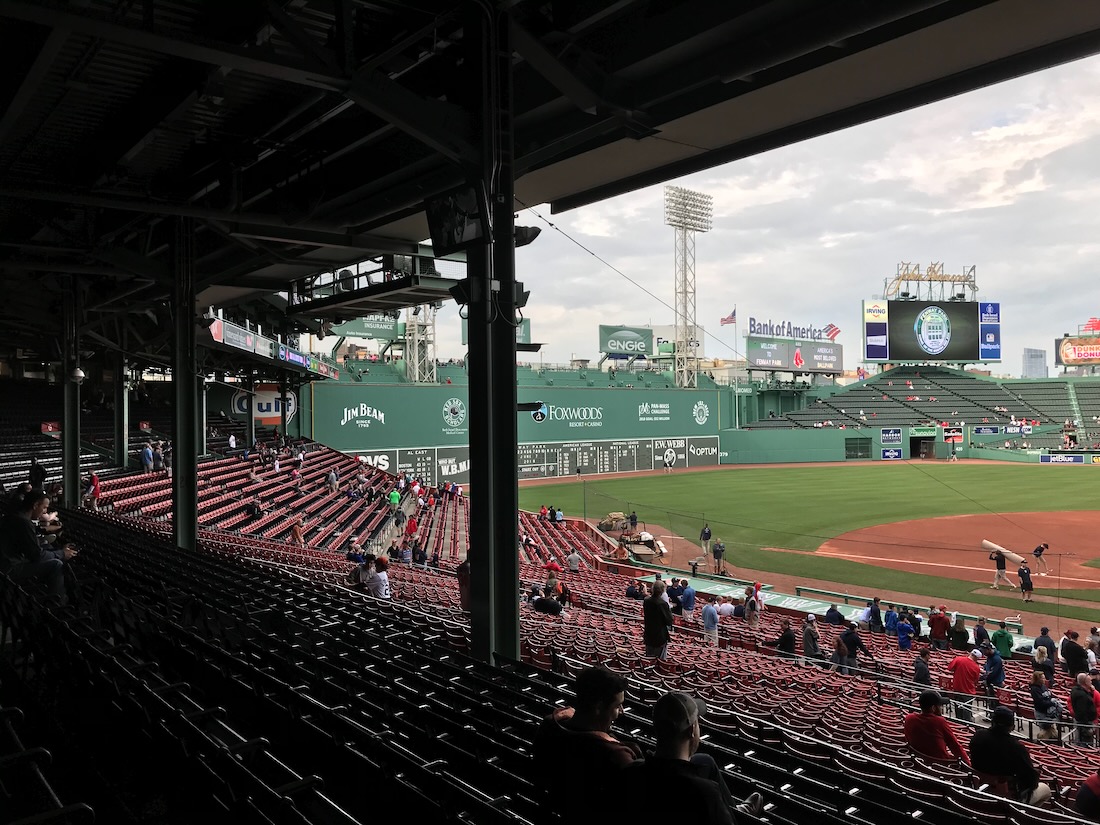
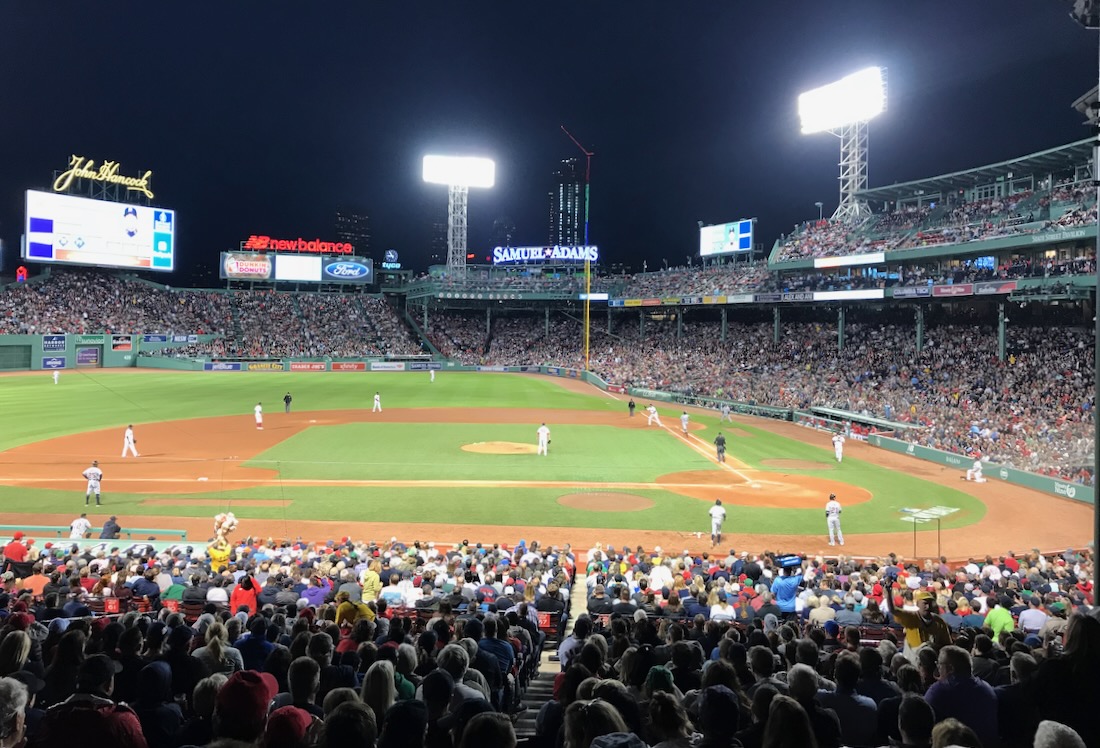
No. 1: Fenway Park in Boston (opened in 1912). I was in awe of this ancient baseball cathedral when my former i2E colleague and fellow Oklahoman, Rick Rainey, and I attended a game while in Boston for the BIO show. Never mind that the Red Sox lost to the lowly Detroit Tigers, Fenway offers so much history that the score didn’t matter. Where do I start? Well, the atmosphere outside the ballpark was tremendous with hundreds of fans lined up to buy food and merchandise from dozens of vendors. Inside, the Green Monster taunts hitters in left field. The Pesky Pole in right. The Triangle in Center field. The Red Sox have the ultimate between-inning music, too, hitting right in my wheelhouse with a ’60s/’70s dominated playlist. And the near capacity house that night was primed and ready to belt out Sweet Caroline when it was played in the middle of the eighth inning. It’s a great memory.
Now, let’s see how my friends ranked their top three baseball stadiums. I asked two long-time newspaper reporters and editors — Mike Sherman and Bobby Ross Jr. — for their thoughts, as well as Steve Buck and Jeremy Ball, two people who have attended the same church as I do for many years.
Here are their rankings:
Mike Sherman
I’ve seen a baseball game in 25 MLB parks, including 14 still in service. Here are my rankings.
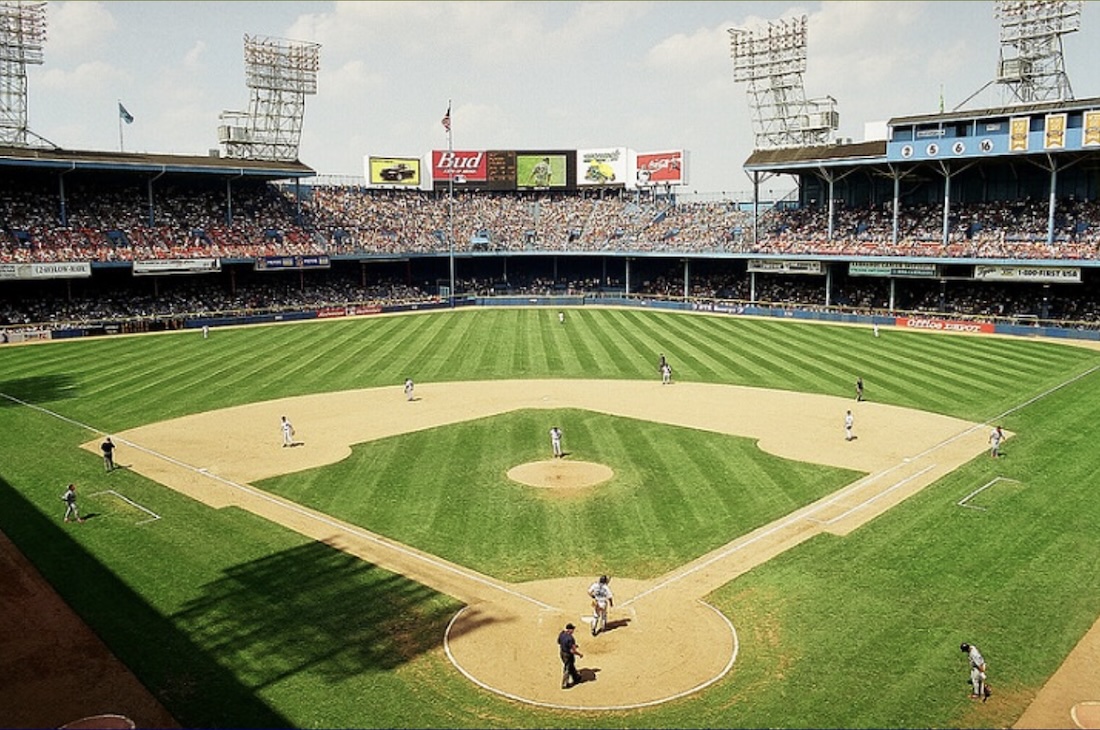
No. 3: Tiger Stadium. I could have picked a half-dozen parks in this spot, including the Ballpark at Arlington — the easiest place to get to the bathroom and back in your seat between innings without missing a pitch. But three things stick with me from a 1988 visit to Tiger Stadium: The greenest grass I ever saw. Sitting in the upper deck, first row, and feeling like I could snatch the cap off the third-base coach’s head. The sensation of watching baseball in a time capsule and eating my first Domino’s Pizza while my traveling companion obsessed over whether he’d ever see his car again.
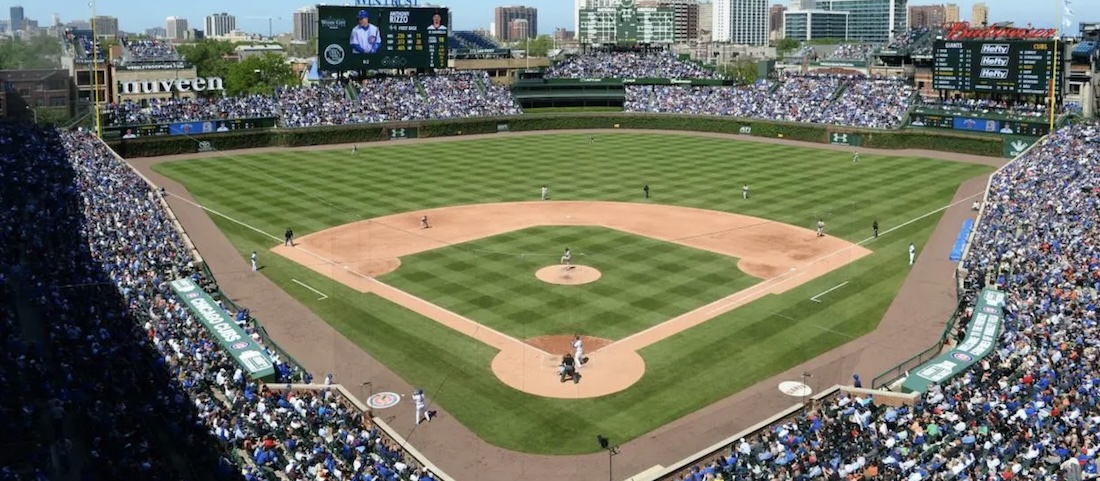
No. 2: Wrigley Field: This is where I’ve seen Pete Rose return from a 30-day suspension for bumping an umpire (1988) and watched Charles Barkley throw out the first pitch before a Jake Arrieta near-no hitter (2014). On Father’s Day 2023, my two sons and I watched a guy pour his grandfather’s ashes over the rail and on the ivy from the second row of the left-field bleachers. During a 2022 Orioles-Cubs series, Wrigley ushers kept giving my youngest son — Baltimore attire head to toe — Topps baseball cards of former O’s. People love this place and it shows.
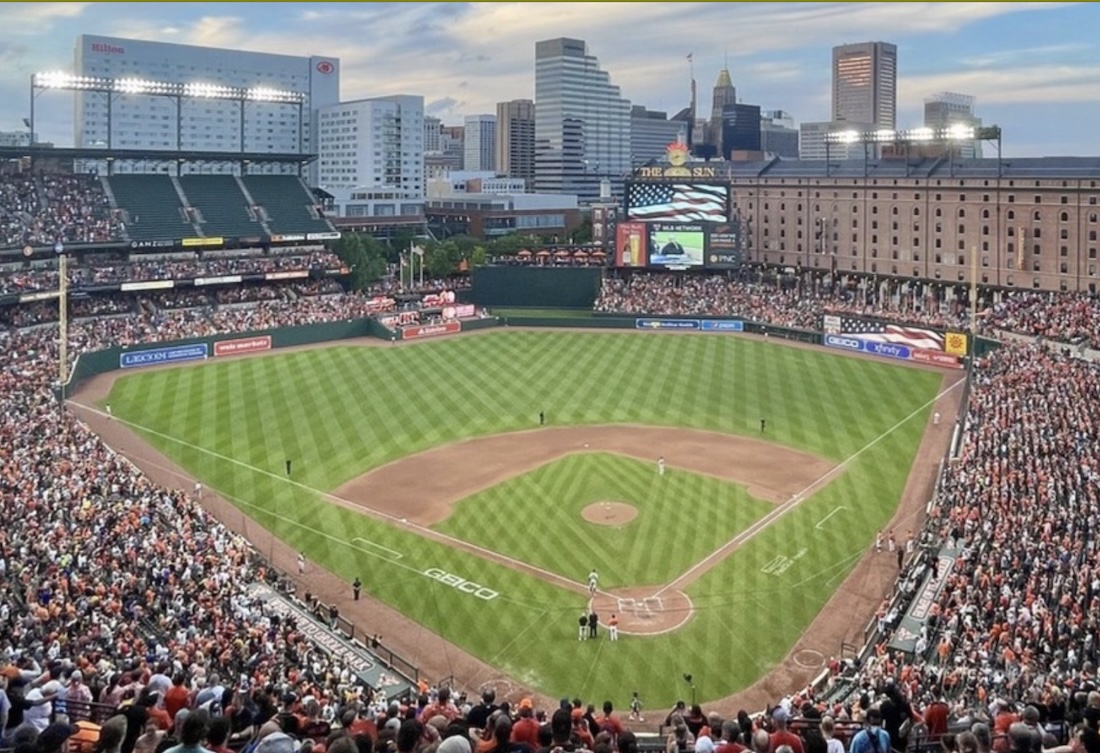
No. 1: Camden Yards. If you want to discount my opinion because my father once hauled boxes of cigarettes out of the Warehouse, go ahead. Or because I snuck in before it opened to pick out my mother’s 1991 Christmas present — Sunday-only season tickets in the left-field stands. Or because my wife’s surprise for my 40th birthday was flying me blindfolded to Baltimore (I am not making this up) and not removing the blindfold until we stood on Eutaw Street, where she handed me tickets to a weekend series with the A’s. (I can do this all day.) Camden Yards is the ballpark that re-started everything. Without it, there may be no Petco, PNC, etc. Oh, and crabcakes.
Bobby Ross Jr.
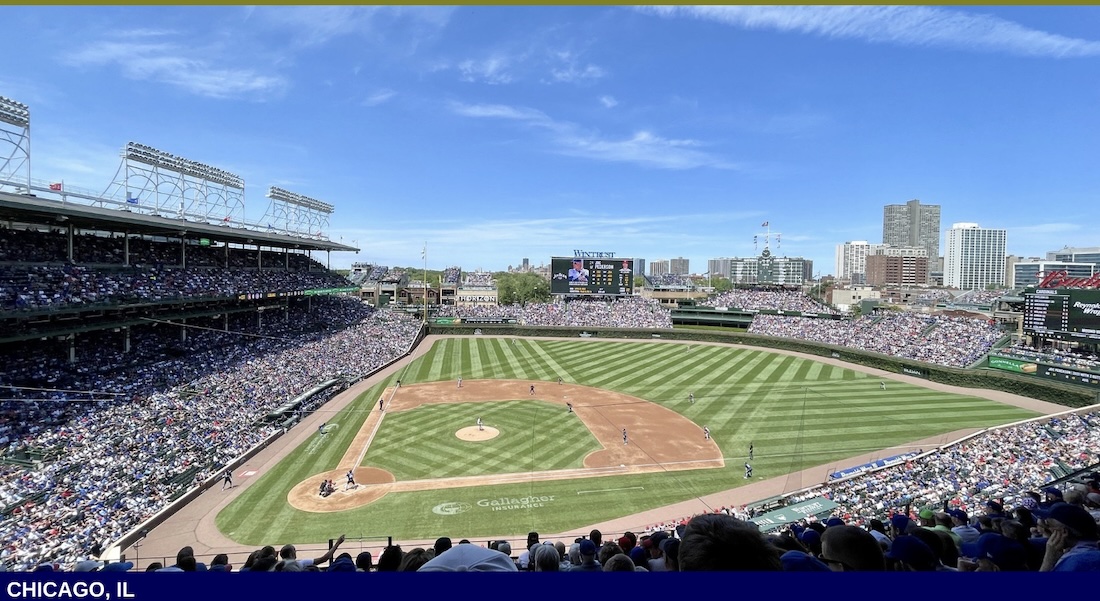
No. 3: Wrigley Field. I realize I’m cheating, and this is actually the fourth ballpark I’ve mentioned. But the historic nature of Wrigley — and the wide enough seats (unlike Fenway Park in Boston) to fit a 21st century human — make this one a must-visit stadium.
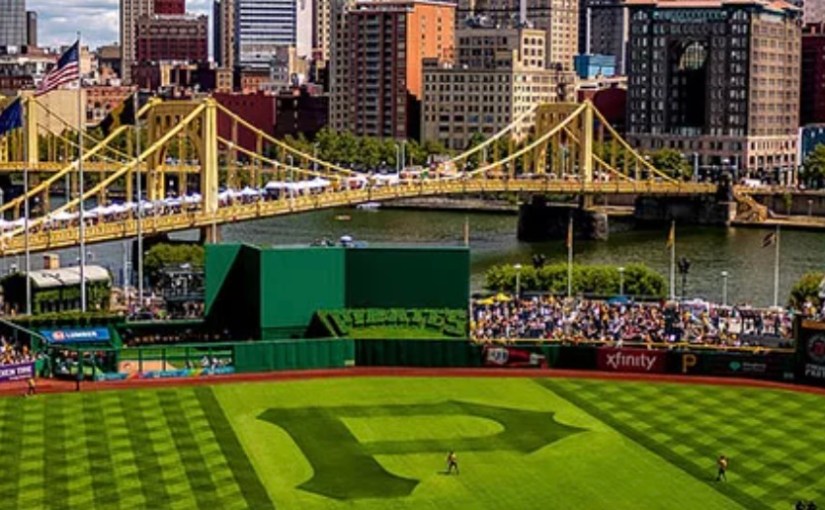
No. 2: PNC Park in Pittsburgh and Petco Park in San Diego (tie). Both of these are spectacular with incredible downtown backdrops. PNC’s setting on the northern bank of the Allegheny River may give it the slight edge.
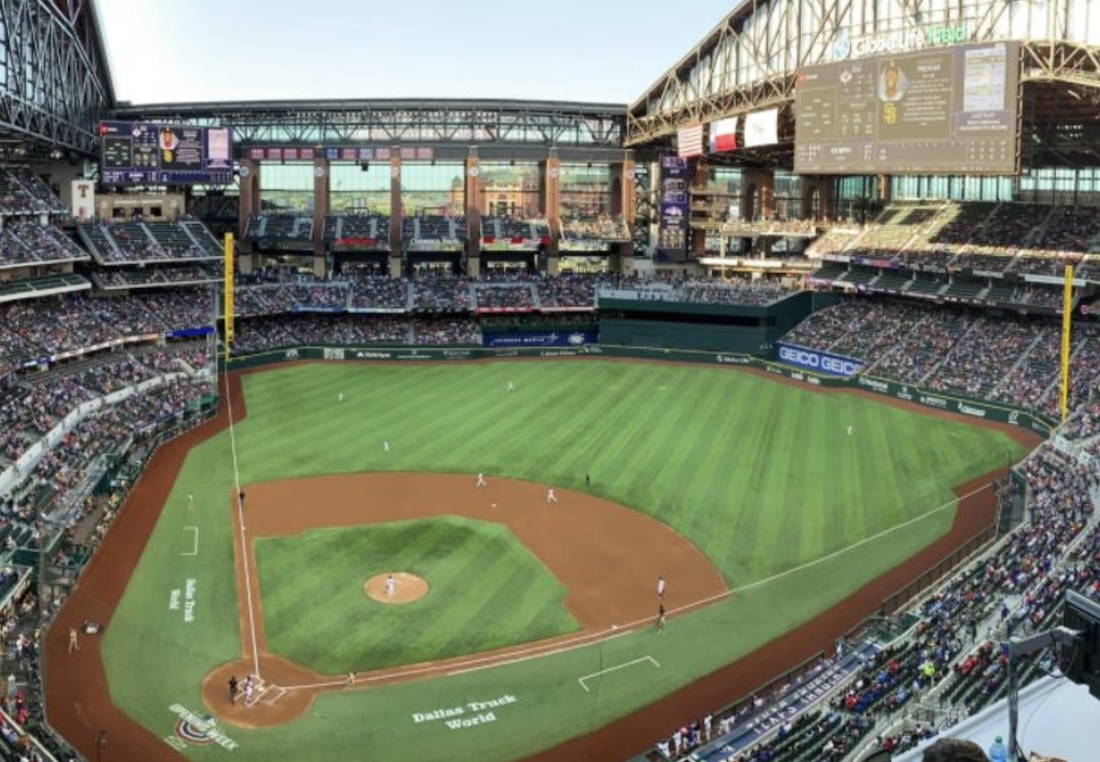
No. 1.: Globe Life Field. The Rangers’ home ballpark is in a league of its own. You might think I’m saying this just because I’m a Rangers fan, and you would be 99% right. This is, after all, the field of dreams where I witnessed the World Series Game 1 heroics (by Corey Seager and Adolis García) in 2023.
See my full list of rankings of the 22 current ballparks I’ve visited here:
Jeremy Ball
My top three stadiums:
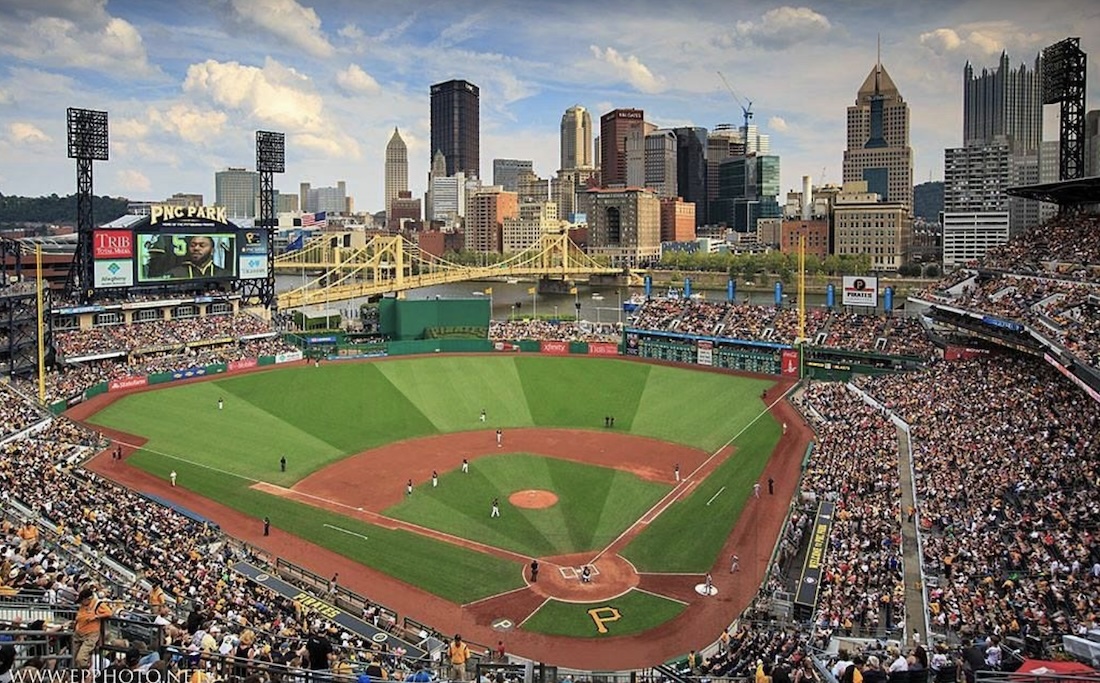
No. 3: PNC Park. This is largely based on location and cityscape visible from the stadium, the Clemente Bridge in particular is the best backdrop for a stadium available. Inside the stadium, has a good mixture of modern amenities/foods with more standard fare, and there isn’t a bad seat anywhere in the stadium.
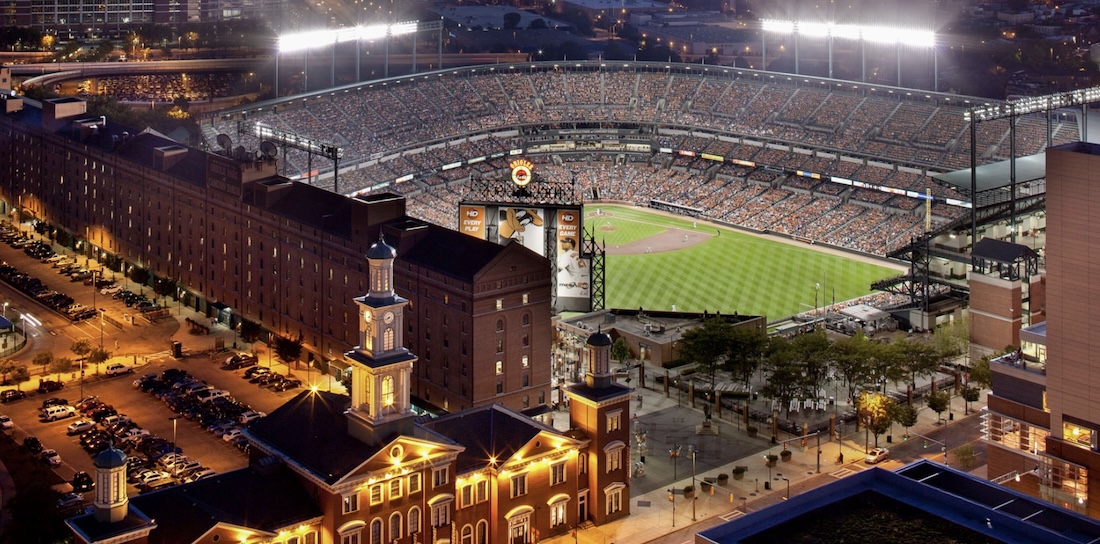
No. 2: Camden Yards. This is honestly the cleanest ballpark I’ve ever been to, this place literally looks like it was opened last year. This is a really intimate ballpark, soon as you walk in you are close to the seats and vantage points are great. The warehouse is a cool backdrop, even more interesting when you can walk right next to it.
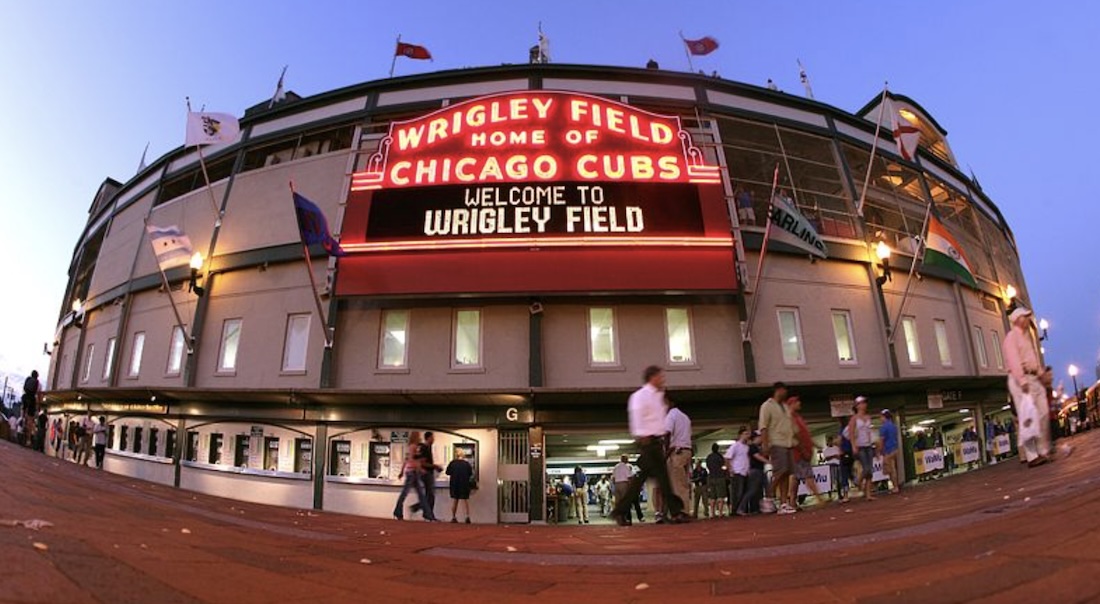
No. 1: Wrigley Field. As a Cardinals fan, it pains me to say this, but the Wrigley experience is baseball heaven. The stands are really flat in the lower level, so I felt more connected to others, and the prevalence of one beer (Old Style) is a cool feature of the experience. Everything about the ballpark is intimate, and there’s something cool about how the stands are largely segregated from the concessions area. What probably sets Wrigley apart is the ‘Wrigleyville’ area outside the stadium; it’s a celebration before and after the game. It’s also the first place I ever shared a beer with my dad, so there’s a personal part for me.
A couple other notes on stadiums:
Best public transportation to a stadium: Target Field, Minneapolis — Rail drops you 100 feet from the East entrance!
Best food: Guaranteed Rate Field, White Sox — The stadium is nothing special except the wet beef sandwich with sweet peppers, OFF THE CHARTS GREAT.
Steve Buck
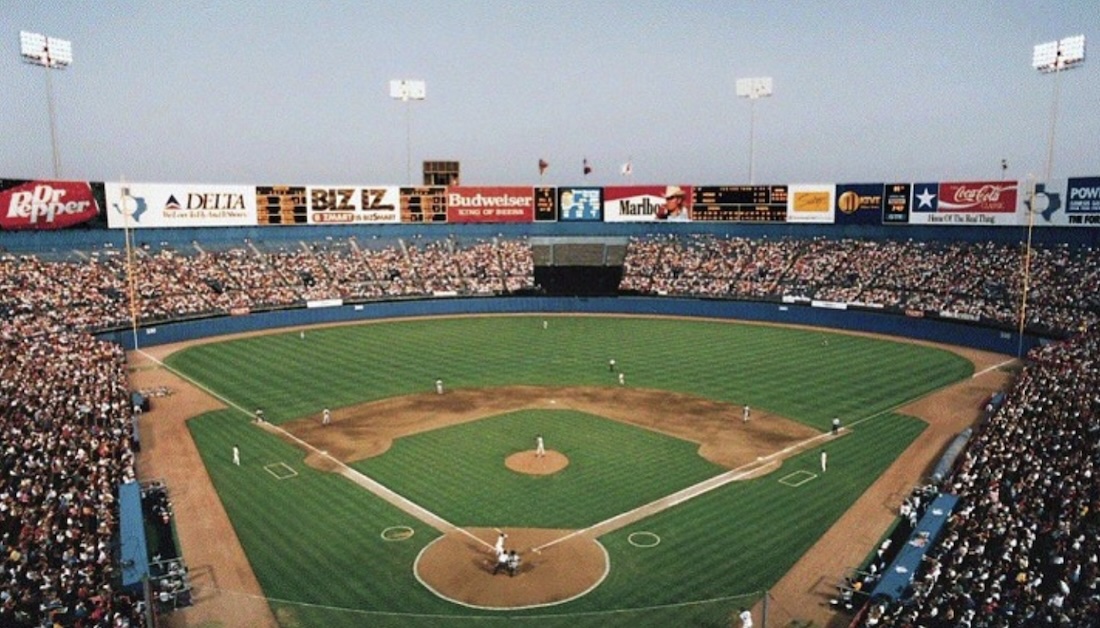
No. 3: Arlington Stadium. Yes, it has been replaced twice now but I attended my first MLB game there on June 25, 1976. The Rangers played a doubleheader on a Friday night (yes, that used to be a thing). Toby Harrah, the Rangers shortstop, walked off the first game with a grand slam in the bottom of the 9th. Arlington Stadium was brutally hot and a miserable experience, but that first in-person game captured a certain 10 year olds attention and fueled my MLB enjoyment that resonates to this day.
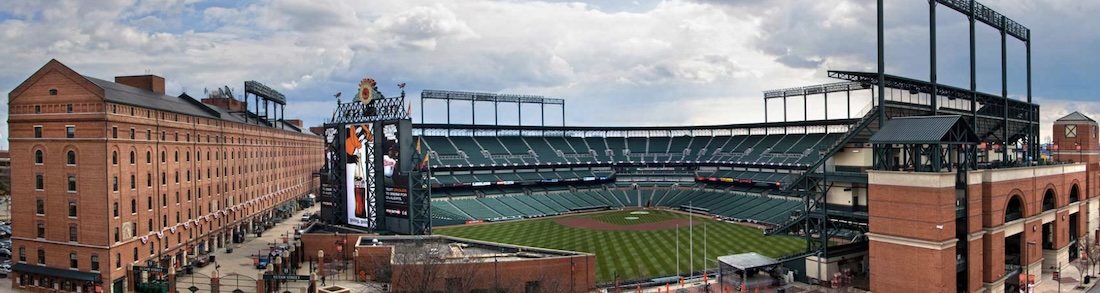
No, 2: Camden Yards. My all-time favorite baseball player is Cal Ripken, Jr. I attended games in Camden several times in the early 90’s. The unique architecture (at the time), the cool community surrounding the stadium and my passion for Ripken and his teammates made attending games there an absolute must-do. I wonder if I would see it the same way now that I no longer follow the team closely but I hope to catch Jackson Holiday soon and see if the magic still exists.
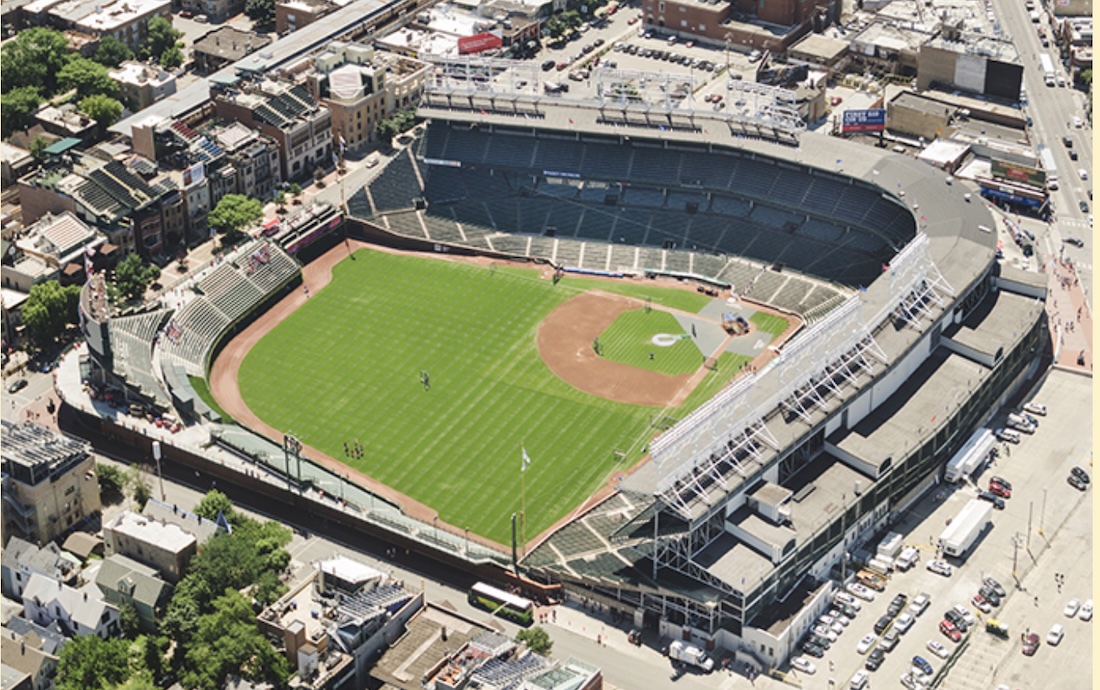
No. 1: Wrigley Field. Make no mistake, it is a dump. Outdated, inconvenient and lacking modern conveniences. All of that is true. But that is part of it’s character. Baseball in Wrigley is magic. A reminder of the game I fell in love with in my earliest years. I was never a fan of the Cubbies but attending a game there is easily a top 5, personally attended, sporting event in my life, and that includes multiple golf majors (including the Masters), seeing Gretzky skate and Jordan dominate, and several other sports historical moments. I am eager to attend a game in Fenway to compare it to the absolute rush that is baseball in Wrigley.
***
Thanks to these fans who shared their personal favorites. I love seeing the different perspectives, even if Camden Yards (in three ranking) and Wrigley Field (in four rankings) appeared early and often.
Must be a reason.
Let me know what MLB parks are your favorites in the comments to this post. I welcome your perspective. If you want to know more about the cathedrals of baseball, visit this website.
BONUS CONTENT: I ranked my three favorite stadiums, but couldn’t write this without listing my least favorite MLB venue.
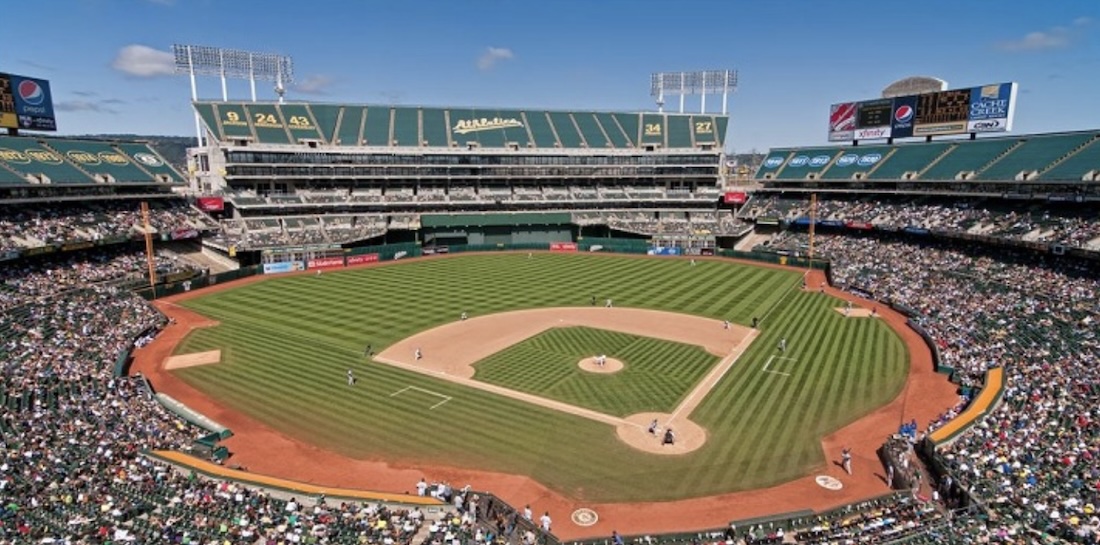
I saw a game in Oakland in 2004 between the A’s and the Reds, and I was appalled at the venue in which people paid good money to attend. The exterior of Coliseum (as I’ve always called it) was composed of plain concrete like you might see on a bridge or a highway. And the concrete facade was chipped and jagged. Inside, the concourse was narrow and dark. When more than a half dozen people waited in line at the concession stands, it was extremely difficult to navigate. And because it was (then) also home to the NFL Raiders, the outfield seating had been remade into a giant triple decker structure that felt out of place for the ballpark. Plus, the entire upper deck was closed off and covered in green tarp. Definitely, not an enticing atmosphere for baseball. You have to give it up to fans who stayed with the A’s despite their crummy stadium. No wonder they fled for Las Vegas with a 3-year stop in Sacramento’s triple A stadium.
 Jim Stafford's BlogOKC