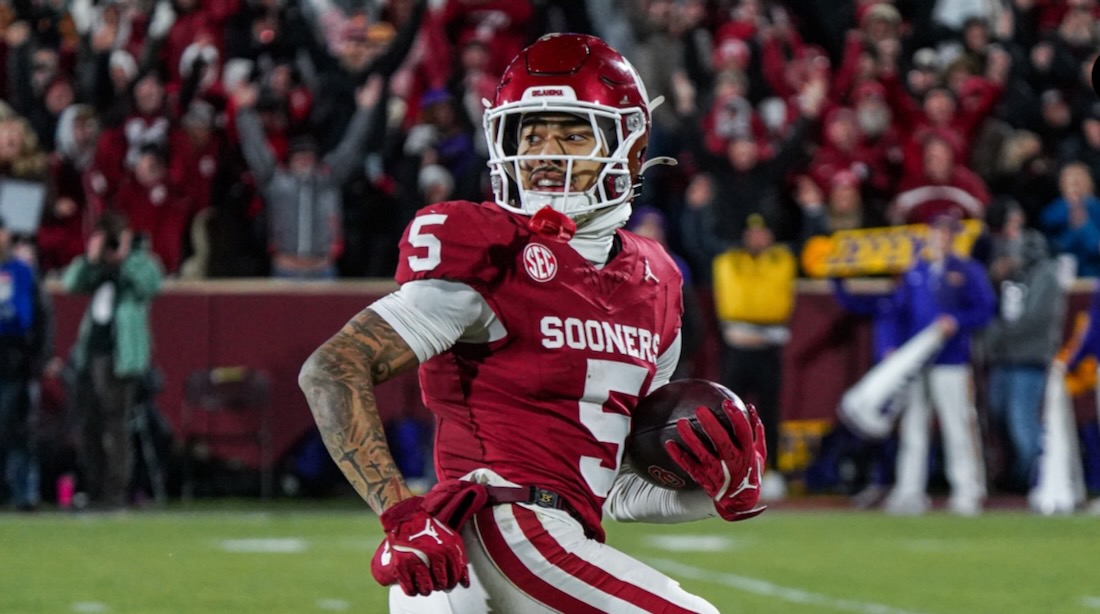
OU receiver Isaiah Sategna races toward goal line in victory over LSU.
When OU wide receiver Isaiah Sategna blew past LSU defensive backs in busted coverage last week to catch a game-sealing 58-yard TD pass, I missed the moment.
I could say that I was out back on our patio grilling or answering an unexpected knock at the door, but it would not be true.
The truth is that because it was late in a really tight game and I was invested in the outcome as someone who has bought into OU, I found something else to do at that moment.
Why?
Well, turning my back on a close game in which I have a rooting interest goes back many decades. I’m not even sure what to call it. Lack of courage? Can’t face reality?
Call it what you will, but I prefer to call it my double-reverse jinx.
As a pre-teen in the early 1960s, the Arkansas Razorbacks were my team. I lived and died with the Hogs. In those days, you mostly had only radio broadcasts on which to follow college football games.
So, when the Hogs were playing on an autumn afternoon I was tuned in — until I wasn’t. I specifically remember, when, in the second half of a really close game with the Razorbacks in a precarious position, I abandoned the radio, ran out into the back yard and started throwing a football around.
A few minutes later, I went back in and caught a couple minutes of the broadcast, but the outcome was still pending. I went back outside.
When the Hogs won that game with me not listening, I decided that all their success hinged on me not ever listening again when the outcome was on the line. Somehow, I controlled their fate.
My double-reverse jinx helped the Hogs have a great decade of success in the ’60s.
Fast forward to the late ’80s when I worked on the sports desk as a copy editor at The Daily Oklahoman. That meant that my daily working hours were from roughly 3-4 pm until midnight or 1 am.
Those working hours afforded the opportunity to drive out to the then-new Remington Park race track in the early afternoon on almost a daily basis to watch and wager on the horse races.
You know where this is going.
Yep, if I had $2 on a horse and it was among the leaders as they came off the final turn and into the stretch, I would turn my back and only listen to the track announcer’s call. One afternoon, I had maybe $5 on a horse and spent the entire race in the men’s room, safe from ruining the outcome by actually watching my horse.
I took a lot of grief from my newsroom colleagues for not being able to watch the outcome of races on which I had wagered. But that’s how I rolled.
Fast forward to 2025. It’s still how I roll when watching the Sooners, the Razorbacks, even the Thunder. When the game gets tough and the outcome precarious, I bail on the game.
And then it happens. Shai Gilgious-Alexander hits a game clinching 3. Isaiah Sategna makes a game winning catch.
The old double-reverse jinx does it again.
BONUS CONTENT: Don Mecoy, a friend and past contributor to BlogOKC, shared some of his own experience in not jinxing his favorite teams:
“Super Bowl V. Cowboys-Colts. I got on my bike during the game and rode and rode. Didn’t help.
“National Championship game in 2000. Sat in the same spot on the couch throughout the first and second half. Really had to pee by the end of the game. And I was hungry too. Literally didn’t get up once.”
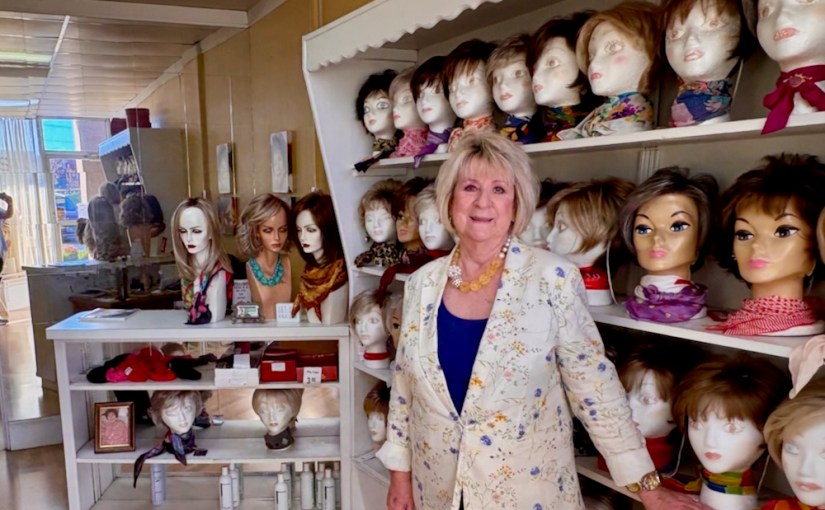
Linda (Faubus) Lewis is surrounded by wig-covered mannequin heads at her Theodora’s Elegante Wigs shop.
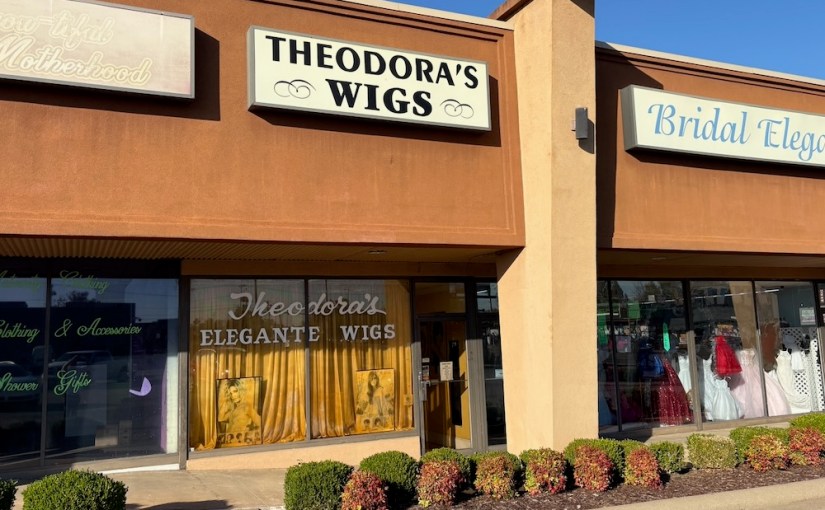
When I saw the ‘Theodora’s Wigs” sign as I was driving past in Fort Smith, Ark., this week, it took me back more than 55 years into an earlier life. So, I veered off Towson Ave., into the Phoenix retail center lot and parked outside the wig shot.
No, I wasn’t there to find some faux hair to cover my chrome dome.
Let me explain the back story.
In the fall of 1970, I was a senior at Southside High School in Fort Smith and worked at a small retail shop called Tom’s Levi’s in what was then known as the Phoenix Village Shopping Center. It was next door to Theodora’s Elegante Wigs.
Our shops were connected by a back hallway, so I became friends with Theodora’s owners, Thelma Faubus and her daughter, Linda. They were positive and upbeat and kind to this 17-year-old kid with little retail experience or maturity.
I worked at that shop until 1972, then went on to college and a newspaper career that eventually brought me to OKC. But my parents continued to live in Fort Smith, and that’s why I was in town this week, celebrating my widowed mom’s 92nd birthday.
Over the vast expanse of years, I’ve seen many changes to the Phoenix Village Shopping Center where Theodora’s is located and I once worked. One whole portion of the strip center across the parking lot from the wig shop was torn down. A grocery store on the west end of the center is long gone. The adjacent Phoenix Village Mall shut down and now is used as call center space by various companies. The center’s original developers died and ownership groups changed. The name of the strip center was shortened to just Phoenix Center.
Through it all, Theodora’s Elegante Wigs stayed in business, holding down the same tiny retail space it’s had since 1967.
That drew me in on this November day. When I parked and walked through Theodora’s door, there was Linda Faubus seated behind the counter. She is now Linda Lewis and she runs the shop as the sole owner in the wake of her mother’s passing a few years ago.
“Linda Faubus!” I said as I entered. “I’m Jim Stafford.”
She jumped up and gave me a big hug. I told her I was there to find out how the shop had stayed in business across all those years and amid changes the retail environment.
We were surrounded by mannequin heads covered by wigs of various colors and lengths. The shop looked almost exactly as I remembered from more than 50 years ago. Along with her late mother, Linda has owned the shop since 1967.
“How have you kept this shop going for almost 60 years,” I asked. “You’ve outlasted virtually ever business that was here in the 1970s and outlived most of their owners. What’s your secret to the longevity of your business?”
“it’s from making a lot of friends, being good to people and quality and service,” Linda said. “They like to come in here.”
Many longtime, loyal customers were drawn to the shop by her mother, Thelma, she said. I could see that because Thelma was such an upbeat personality and treated everyone with what you might call Southern charm.
Thelma passed away in 2016 at the age of 97.
“Everybody loved her, and that’s how you build a business” Linda said. “She was my role model and was a very attractive lady. You have to build on customer service and how you treat people.”
I looked around the shop. I wanted to know how business is in 2025. Linda has modernized enough to have a presence on Facebook.
“We’re busier now than we’ve ever been,” she said. “We have customers from all over, Oklahoma City, Little Rock, Fayetteville, Bella Vista. I can’t tell you how many people come in from Springdale.”
Who knew there was such a demand for wigs?
“There aren’t that many wig shops any more,” Linda said. “And people love to come in and try them on.”
The exterior to Theodora’s Elegante Wigs in Fort Smith, Ark.
Next door to the wig shop, in the space that Tom’s Levi’s once occupied, is a bridal shop.
“I can’t tell you have many businesses have been in that space,” she said. “A stereo shop, a business called The Gentry Shop and even a doll shop.”
With that, we said our goodbyes and I headed back to my car and on to OKC. One last glance at the Theodora’s Wigs sign as I drove away.
It seems that everything in this world has changed over the past 55 years, except Theodora’s Elegante Wigs. And that made me smile as I pulled back on to Towson Ave.
Not just a survivor, but a thriving business in a completely different generation.
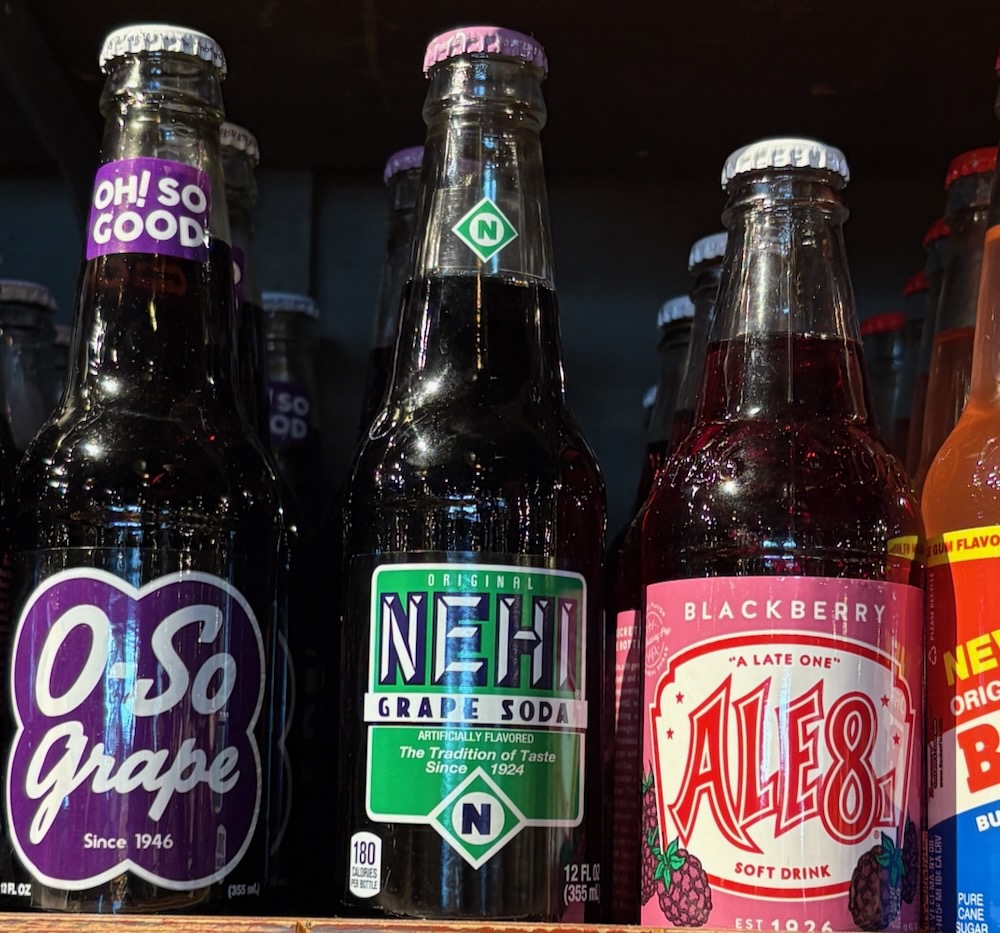
I discovered this bottle of grape Nehi during a recent visit to an OKC Cracker Barrel store.
If you are a fan of the long-running television comedy — dramady? — series, M*A*S*H, which aired from 1972-’83, then you are well aware that Radar O’Reilly’s favorite drink was Nehi grape soda.
Radar’s love of grape Nehi was a running theme across many seasons of the show. According to this History Oasis article, Nehi was mentioned in 47 episodes, with Radar once trading a month’s worth of coffee ration for a single case of his favorite soft drink.
I always perked up when grape Nehi was mentioned in a M*A*S*H episode, because it was the absolute favorite soft drink of my late grandmother, Vida Stafford. In fact, I’m pretty sure it was the only soft drink she would consume. There were always grape Nehi’s in her refrigerator.
As a kid, I helped myself to a grape Nehi whenever I visited my grandparents home in Booneville, Ark. I became a big fan of it myself.
Then over the years, I lost track of grape Nehi and assumed it was no longer being produced because I never saw the brand in stores. I haven’t even seen it at Pop’s in Arcadia, which is the mother-of-all-soda retailers, although maybe I just overlooked it.
So that brings me to August 2025. I discovered Cracker Barrel sells grape Nehi among the many nostalgic candy and soda brands it offers.
My wife and I were recently on a scouting mission to Cracker Barrel to gauge the pulse of its angry MAGA patrons during the brief period in which it changed its logo. (OK, we actually were there to enjoy some comfort food).
When we arrived at the store along I-35 in far north OKC, it was filled with customers, and we had about a 35-minute wait for a table. I didn’t hear any chatter about the logo or ‘going woke,’ but as I sauntered through the store during our wait, I stumbled upon a soda display that had a grape Nehi right in the middle.
It made my night. Grape Nehi lives!
A wave of nostalgia actually washed over me at the sight of the grape Nehi because of the memories made 60 years ago or more. I found myself right back in my grandmother’s kitchen rummaging through her refrigerator in search of a grape Nehi.
Did I load up on grape Nehi that night? I did not, but I do plan to try a bottle soon to see if it lives up to what I remember.
There are decades of wonderful memories wrapped up in that single bottle of grape Nehi. I hope it doesn’t let me down.
BONUS CONTENT: I ran across this article about a company in Cleveland, Miss., that has bottled Nehi sodas for almost 100 years. It was published in the Bolivar Bullet, a newspaper based in Cleveland.
Frank Day works on a hand-stitched quilt, accompanied by one of his favorite pets.
Let me tell you about my friend Frank Day of Roland, OK, whom I have known since approximately 1971 when we both worked for Hunt’s Department Store in Fort Smith, Ark.
Over the years, we drank gallons of coffee together, ran trot lines at 2 am in the Arkansas River and stalked raccoons in the middle of the night in the Paw Paw Bottoms, among other adventures.
But life took me to Oklahoma City in 1983 for a job with The Daily Oklahoman newspaper, so we haven’t seen a lot of each other in the intervening years.
Today Frank is 75 years old and retired after more than two decades as fleet sales manager for Fort Smith’s Randall Ford. I think he can best be described in 2025 as a one-man quilting bee.
What?
That’s right. Frank Day began hand-stitching beautiful quilts over two decades ago, and continues his quilting avocation today.
Frank, I thought I knew you.
There goes my image of the typical quilter as someone’s grandmother.
Turns out that quilting is something Frank learned as a child from his mother, Dortha Day and turned it into an ongoing hobby many decades later.
“When I grew up, Mother was quilting all the time,” Frank told me. “She belonged to a quilting club, a bunch of women who got together at someone’s house and could finish a quilt in one day. I grew up watching her, and she showed me how to do it.”
Frank’s wife of more than 50 years, Vicki, added her perspective.
“Frank’s mother Dortha always had a quilt rack on the ceiling,” Vicki said. “I remember Granny, everyone called her Granny, quilting on the old quilting frames and singing hymns. When the grandchildren came along they would all play under the quilt frame.”
However, Frank had never made a quilt until his first grandchild was born more than 20 years ago. He produced his first quilt for grandson, Trevor, and has continued quilting through the years.
“I said I’m going to get some material and make a quilt,” Frank said of that first attempt. “Vicki said ‘you don’t know how.’ I said, ‘you watch me.’ I got the material and sat down and started sewing. And I got it done.”
That first quilt led into one for each grandchild, then special quilts for relatives and friends. Sometimes he makes them for folks who’ve had a stretch of bad health or difficult life situation, like a former coworker at Randall Ford to whom he presented a quilt.
“She started crying, but it was because she was happy to get it,” Frank said.
A quilt is not made in a day. Or a week. It might require more than a month of work for a solo quilter like Frank Day.
“From start to finish, if it’s a king-sized quilt, you have about 250 hours in it,” he said. “That’s cutting the material out — I hand sew everything, nothing is made on a machine. I hand stitch it, get the backing for it, get the lining for it and put the blocks on top.”
Did you catch that … 250 hours for a single quilt. That’s 6-1/4 40-hour working weeks of quietly sitting alone stitching blocks of material together into what can be a beautiful pattern.
My own grandmother was a quilter, and I recall she had a large wooden frame that she let down from the ceiling that helped her make her quilts.
Frank uses a ‘hoop’ that he holds in his lap as he quilts. Usually, one of his favorite dogs is sitting nearby or even on his lap as he quietly works.
Although he hasn’t made quilts to sell, Frank told me that comparable hand-made quilts can be priced at $1,800-$2,500 because of all the time required to produce one.
“It’s very time consuming, and most people don’t have the patience for it,” he said.
I learned that Frank was a quilter after Vicki posted some pictures of beautiful quilts on Facebook and I complimented her on her quilting talent. She corrected me and said it was all Frank.
“When Frank made his first quilt before Trevor, our first grandchild, was born, we had been married for 30 years and he never made one before,” Vicki said. “I asked him why he never made one before and his answer was “I never had a reason to make one.”
“Frank’s quilting has bloomed over the years. He made one for our son, Paul, as a wedding gift and then for our daughter Jenny. He made one out of cancer warrior scarves that Ford gave to dealerships for Breast Cancer Awareness.”
Each quilt is made with a purpose.
“Frank had a good friend, Dudley Sparkman, who was the best man and friend you could ask for,” Vicki said. “Sadly, he had a massive heart attack on his 50th birthday and passed around two weeks later. Tina Sparkman, Dudley’s wife, asked Frank if he would make a lap quilt out of some of his shirts. That was probably one of the hardest quilts he ever made because on the friendship they shared.”
Quilters like Frank Day who make the time to sit and hand-stitch a beautiful design are a rarity in 2025. Today, most quilts are machine stitched.
Frank calls hand-made quilting a “dying art” that he’s keeping alive in his corner of the world. Currently, he’s working on a quilt for Vicki as he recovers from a recent knee-replacement surgery.
“It’s helped me keep my sanity when I’ve had to sit for long stretches as I recovered from knee surgery that put me down,” he said. “I’ve finished one and got close to half of another one put together.”
It’s one stitch after another after another for a quilter like Frank Day. That translates into hundreds of hours to produce just one quilt.
It’s a marathon, not a sprint.
Frank has run that marathon for more than two decades.
And that’s why I describe him as the ultimate one-man quilting bee.
BONUS CONTENT:
I asked ChatGPT to explain the concept of a “Quilting Bee” to me. Here’s what it told me:
A quilting bee is a social gathering where a group of people—traditionally women—come together to work on quilting projects, usually a large quilt, while also enjoying conversation and community.
Key Features:
– Collaboration: Multiple people contribute to making one quilt. Often, the quilt top is pieced together ahead of time, and the bee focuses on quilting (stitching the layers together). – Social aspect: It’s as much about socializing and bonding as it is about the sewing. These gatherings were historically important social events, especially in rural communities. – Tradition: Quilting bees have roots in 18th and 19th century America, when they served as a practical and communal way to create bedding before mass production. – Modern bees: Today, quilting bees still exist, though they might be less formal or might happen in quilting guilds, workshops, or even online.
Think of a quilting bee as a mix of a sewing circle, a social event, and a creative collaboration.
Almost 34 years ago, a friend and former coworker at the Southwest Times Record in Fort Smith, Ark., hit me up with a request.
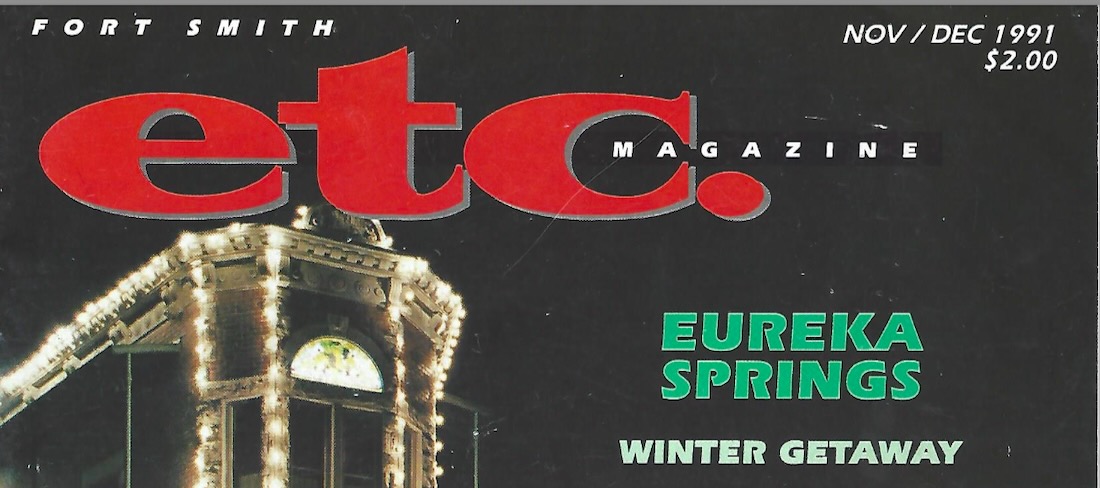
Patti had left the paper to become editor of a new local magazine called Fort Smith Etc. She asked me to write an article on the University of Arkansas’ stunning move from the now late Southwest Conference to the the rival Southeast Conference.
Arkansas announced in August 1990 that it was switching conferences, and actually made the move the following year.
The unexpected conference divorce set off shockwaves among major conferences and ushered in what has become an era of constant realignment. By 1995, the SWC was no more, with most members welcomed into the Big Eight, now known as the Big 12.
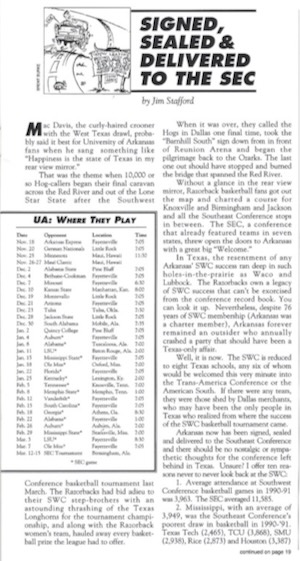
Anyway, I wrote a pretty snarky — for me — 800-word piece for the magazine that listed all the things the Razorbacks would not miss from the SWC. It was published in the Nov./Dec. 1991 edition of Fort Smith Etc. magazine.
So, why am I writing about this now when I hadn’t given the article a thought for the last 30 years or so?
Turns out a high school friend of mine and Fort Smith native I’ll call ‘Will’ discovered he had digitized copy of the article on his personal computer. Will, who also had written for the magazine, emailed it to me. Thanks, Will!
After reading what I wrote more than three decades ago, I’m still proud of how it turned out and the fact that it is still relevant today in this era of conference reshuffling.
There are a couple of references to now departed venues like Barnhill and Reunion arenas (and misplaced campus locations for the universities of Alabama and Mississippi), but it’s not too dated, I think.
With all that said, I’m reprinting the article here in BlogOKC. Hope you enjoy this trip down memory lane.
Signed, sealed & delivered to the SEC
Mac Davis, the curly-haired crooner with the West Texas drawl, probably said it best for University of Arkansas fans when he sang something like “Happiness is the state of Texas in my rear view mirror.”
That was the theme when 10,000 or so Hog-callers began their final caravan across the Red River and out of the Lone State after the Southwest Conference basketball tournament last March. The Razorbacks had bid adieu to their SWC step-brothers with an astounding thrashing of the Texas Longhorns for the tournament championship, and along with the Razorback women’s team, hauled away every basketball prize the league had to offer.
When it was over, they called the Hogs in Dallas one final time, took the “Barnhill South” sign down from in front of Reunion Arena and began the pilgrimage back to the Ozarks. The last one out should have stopped and burned the bridge that spanned the Red River.
Without a glance in the rear view mirror, Razorback basketball fans got out the map and charted Knoxville and Birmingham and Jackson and all the Southeast Conference stops in between. The SEC, a conference that already featured teams in seven states, threw open the doors to Arkansas with a great big “Welcome.”
In Texas, the resentment of any Arkansas’ SWC success ran deep in such holes-in-the-prairie as Waco and Lubbock. The Razorbacks own a legacy of SWC success that can’t be exorcised from the conference record book. You can look it up.
Nevertheless, despite 76 years of SWC membership (Arkansas was a charter member), Arkansas forever remained an outsider who annually crashed a party that should have been a Texas-only affair.
Well, it is now. The SWC is reduced to eight Texas schools, any six of whom would be welcomed this very minute into the Trans-America Conference or the American South.
If there were any tears, they were those shed by Dallas merchants, who may have been the only people inTexas who realized from where the success of the SWC basketball tournament came.
Arkansas now has been signed, sealed and delivered to the Southeast Conference and there should be no nostalgic or sympathetic thoughts for the conference left behind in Texas.
Unsure? I offer ten reasons never to never look back at the SWC:
1. Average attendance at SouthwestConference basketball games in 1990-91 was 3,963. The SEC averaged 11,585.
2. Mississippi, with an average of 3,949, was the Southeast Conference’s poorest draw in basketball in 1990-’91. Texas Tech (2,465), TCU (3,868), SMU (2,938), Rice (2,873) and Houston (3,387) all had lower attendance averages.
3. Average attendance at Southwest Conference football games in 1990 was 39,382. The SEC averaged 63,870.
4. Southwest Conference teams were forced to play a limited football schedule for two seasons because one conference member, SMU, was given the “death penalty” by the NCAA; no SEC school has ever drawn the “death penalty.”
5. The Cotton Bowl is played in an open-air stadium, often in some of the most brutal weather Texas has to offer on New Year’s Day; the Sugar Bowl, played in the New Orleans SuperDome, is never threatened by the weather.
6. Southeast Conference football games are broadcast nationally over the Turner Broadcasting System cable network. SWC games are broadcast throughout Texas on something known as the “Raycom Sports Network.”
7. Arkansas will never have to face Southwest Conference officials when playing a Southeastern Conference game.
8. Texas A&M, a school full of traditions, features an all-male corps of cheerleaders.
9. There is no horror movie titled “The Tennessee Chainsaw Massacre”
10. Few natives from any Southeastern Conference state answer to the name of “Tex.”
A black ’65 Mustang that looks exactly as I remember the one driven by my Aunt Dee.
This is a story of the Ford Mustang. Or, rather, two Ford Mustangs. One of them did not have a happy ending, and I was in it.
If you are hazy on your Ford Mustang history, I’ll catch you up to date a bit. The Mustang was conceived by a team at Ford led by Lee Iacocca, who later gained fame as the man who saved Chrysler.
The first Mustang was introduced to the public in April 1964, as the “1964-1/2” Mustang. It was an instant hit. The public fell in love with it because it had a unique, sporty body style compared to what U.S. autos had been, which were cars shaped like boxes and quite unattractive.
Purchasing a brand new Mustang off the showroom floor in 1964-65 would set you back $2,400, according to cars.com. Today, those antique vehicles bring from $16,000 for the coupe to $33,000 for the fastback model.
My dad was among the millions of Americans who were taken by the Mustang and eventually bought one when he was stationed on the island of Okinawa while in the military. I’ll come back to that.
Anyway, the Mustang was beloved by my dad and so many others because it had a long nose, short rear end and distinctive grill and tail lights. Eventually, it came in a 2-door coupe, convertible and the incredibly popular fast-back.
I’m writing about the Mustang because my 5 year-old grandson, Solomon, and I discovered a show on the Roku channel called “Counting Cars,” which follows a shop in Las Vegas that rehabs older vehicles and turns them into showpieces.
We streamed an episode this morning in which the shop refurbished a ’65 Mustang and turned it into a perfect candy apple-red rendition of how it must have looked on the showroom floor in 1965. Solomon could not get enough, running through the house to get his grandmother to come in and see the beautiful car.
So, two Mustang stories.
When I was a senior in high school, I lived with my aunt and uncle in Fort Smith, Ark. My aunt Dee drove a black ’65 Mustang and was so in love with the car that she told everyone she would never drive another. Its compact size made it easy for her to maneuver on the road.
Fast forward to roughly 1980, when I was a young sports reporter at the Southwest Times Record, which had its offices and newsroom in downtown Fort Smith.
One day, as I stepped out of the building onto the sidewalk, my uncle, L.R. Mendenhall, drove up and parked Aunt Dee’s Mustang right outside the SWTR’s door along Rogers Ave.
At virtually the same moment, Leroy Fry, who was the newspaper’s managing editor, walked out of the building and spotted the Mustang. I introduced my Uncle “Blue Eyes” (as he was known to our family) to Leroy. The editor told him that he had to have that Mustang and how much would my uncle sell it to him for.
“It’s not for sale,” Blue Eyes told him. “It’s my wife’s car and she says it’s the only one she will ever drive.”
End of story.
That black Mustang was my Aunt Dee’s ride or die, and I’m pretty sure when she died in roughly 2000 that the car was still in her family’s possession.
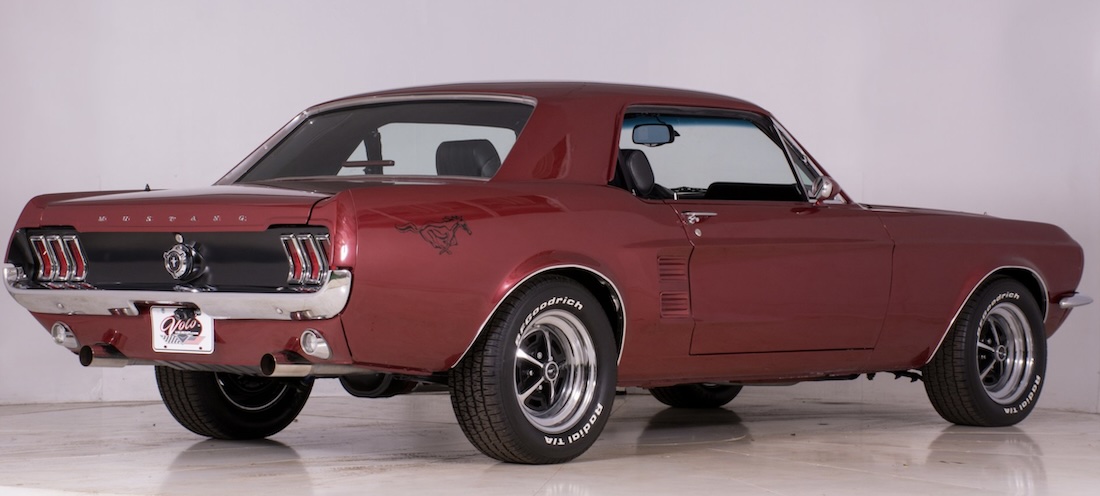
My second Mustang story involved the 1967 Mustang my dad bought while on Okinawa. He was in the Army, so our whole family lived on the island. This was in 1968 when I was 15 years old.
Dad loved his Mustang, which was painted in a sort of burnt-orange color, and drove it every day to work. He was a hot GI in a hot vehicle.
A ’67 Mustang similar to that owned by my dad, although his was more of a burnt orange in color.
I wanted to drive it, too, and begged him to let me get behind the wheel. So one weekend he asked the son of a family friend who was about 19 years old to drive me and the Mustang to an abandoned Japanese airstrip where I could drive it and stay out of harm’s way.
I remember driving back and forth on the airstrip multiple times and getting a feel for the car. Then we decided to head back to the military base where our families lived. I moved over to the passenger side, and the older kid (can’t think of his name now) took the wheel.
We drove off the airstrip and back onto the rural two-lane road that was adjacent to a field of sugar cane. My young driving instructor said, “let’s see what this car can do,” and gunned it.
I’m not sure how fast the car was traveling, but we roared down that rural road until my driver suddenly realized there was a 90-degree turn at the end and started screaming that we weren’t going to make it.
We didn’t.
The car flew off the end of the road at the hairpin curve, hit hard in the sugar cane field and landed on its side. Neither one of us had buckled our seatbelt (hey, this was the ’60s), but we were mostly uninjured. My friend cut his hand on the steering wheel when the padding came off.
We climbed out of the driver’s side, which was facing the sky and then tried to figure out how to contact our parents in this era before the cellphone was a gleam in anyone’s eye.
There was a military installation about a half mile away, so we walked to it, told the guards at the security gate what happened, and they let us call our parents. Of course, we told them exactly how it happened.
The car looked OK to me, but had to be towed to a shop somewhere on the island. Turns out the frame was bent and the insurance company declared it a total loss.
My dad was heartbroken, of course. But the fact that we were unhurt took some of the steam out.
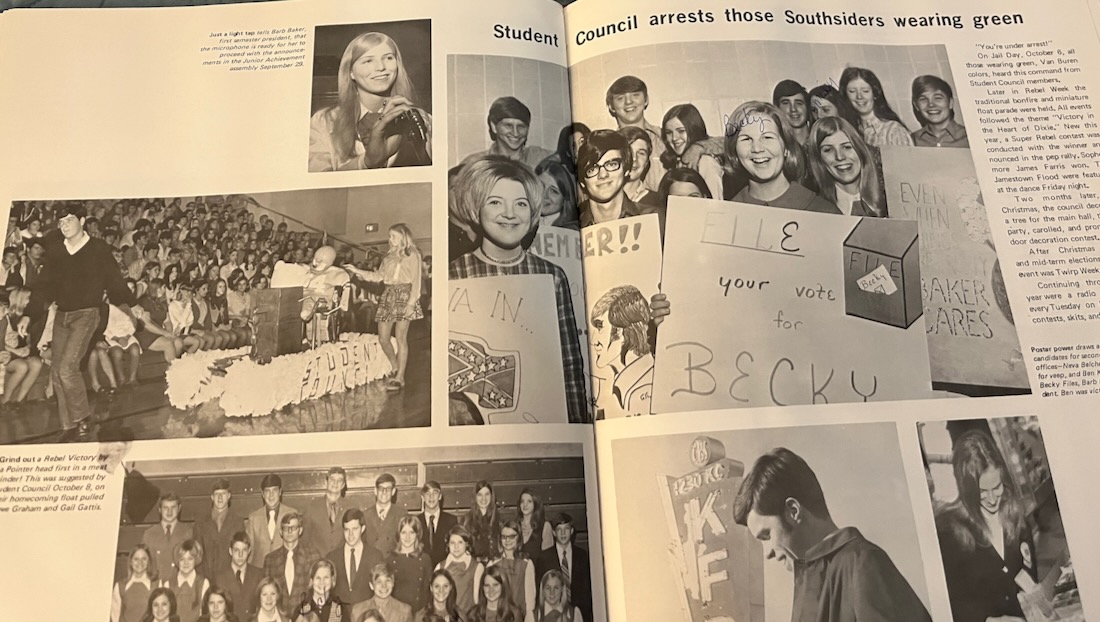
A page of the 1971 Southside High School yearbook, ‘Lifestyles’
I walked into Cattlemen’s Steakhouse a few weeks ago, made my way to a back booth and was greeted by someone I had not seen in 52 years. He was an old high school chum, so it was the ultimate class reunion.
Turns out, my friend, whom I will call “Will,” was driving from New Mexico to Fort Smith to visit our home town for a few days. So, he contacted me to see if I would be up for a reunion as he passed through.
Would I? Of course!
We spent a wonderful hour and a half at a back booth catching up on our lives, families and reminiscing about days long past.
The real story is how Will found me. He told me he stumbled across this blog as he was searching for some high school classmates he had not seen in years. After reading a few BlogOKC posts, he decided to reach out, although he has no social media presence at all.
So his wife looked me up and discovered my Twitter profile. She sent me a direct message asking if I would be interested in meeting Will when he was passing through OKC.
I’ve thought of Will often over the years. He was from a well established Fort Smith family and had gone to public schools there since first grade. I moved into the school district my sophomore year only because my dad was in the Army and his military assignments took us as a family around the world. We came to Fort Smith when Dad went to Vietnam in 1969.
Being a ‘move-in’ with no local history in an old Southern town like Fort Smith was a big challenge for me. Making friends, eating lunch in the cafeteria, having a social life after school.
For some reason, Will sort of took me in. We played basketball on his driveway and connected in classes. As I recall, he was a member of the National Honor Society, wrote a column for the student newspaper and was on the Student Council, among many other school activities.
By contrast, I was sort of the Invisible Man at Southside. I had only heard of the National Honor Society, but had a secret dream to become a newspaper reporter some day. So, we had that in common.
Anyway, Will showed kindness and attention to me. After high school, he went on to college, eventually earning a master’s degree, moving to a distant state and working for social change.
I wandered aimlessly for a few years before gaining some direction by attending Abilene Christian University and earning a journalism degree. My secret dream actually came true.
Since I have never attended a single high school class reunion, I lost touch with Will along with the rest of my senior classmates.
Then he called.
There’s a lot of space to fill and life to live in 52 years. But reconnecting with my old classmate was the feel good event of the summer for me.
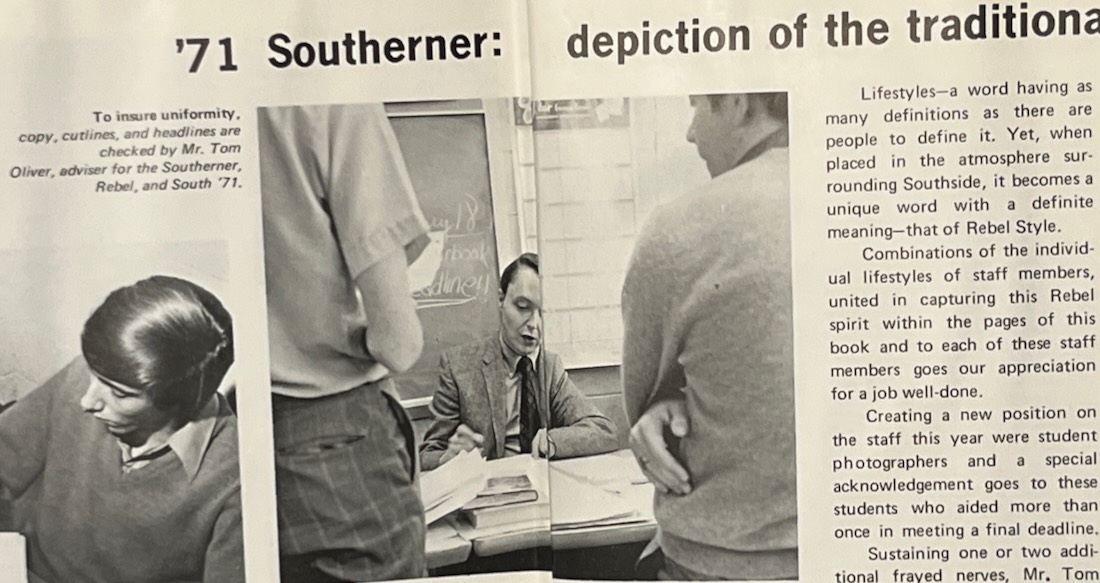
In a 1971 yearbook photo, Tom Oliver is shown editing students’ work as yearbook/newspaper advisor
As do a lot of communities around the country, someone from my hometown maintains a Facebook group called “If You Ever Lived in Fort Smith, Arkansas.”
I’m not on the Group’s page often, but it’s fun to occasionally scroll through and see what people are talking about.
Certain topics dominate the Fort Smith page: Dragging Grand Ave. in the ’70s … Enjoying a giant Worldburger of the past … and remembering stores like Hunt’s and The Boston Store that were once shopping mainstays.
About five years ago, a fellow Southside High School grad, Eddie Weller, posted about favorite Fort Smith teachers he recalled. Because I’m an Army brat, I only attended school in Fort Smith for three years.
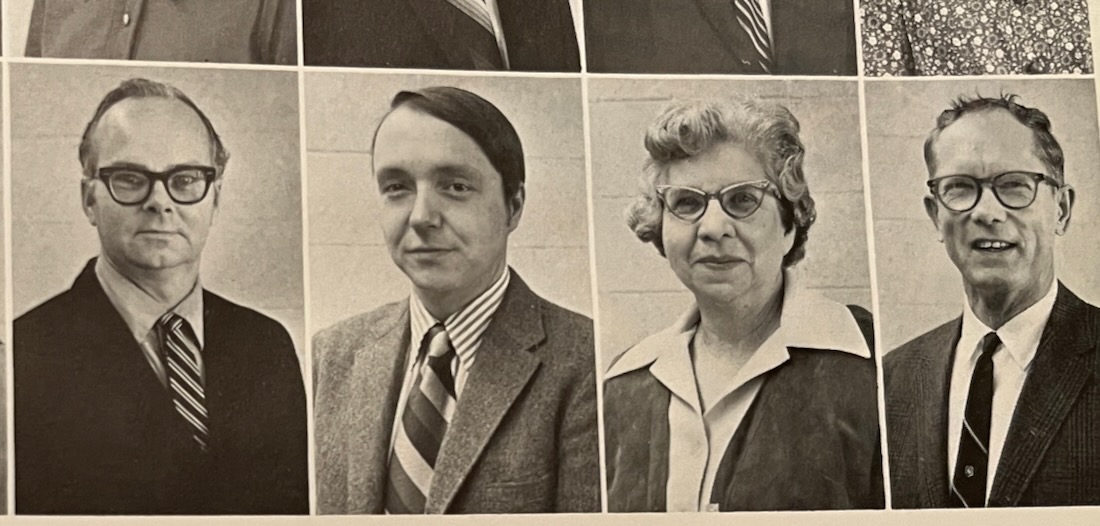
But there was one teacher that certainly had an impact on my future. His name was Tom Oliver.
Mr. Oliver taught Journalism at Southside. I took Mr. Oliver’s class as a senior because I had a far-fetched dream of some day being a newspaper reporter.
So, I posted on the Facebook Group about Mr. Oliver being a memorable teacher, and it was like a call-and-response for a conversation that began five years ago and continues to stir memories today.
Here are some selected memories of Tom Oliver by his former students (Mr. Oliver died in the early 1990s, so it’s too bad he’s no longer around to read what his former students say.).
My original comment:
“My journalism teacher at Southside, Tom Oliver. Showed a lot of patience to a wanna be who had few skills in HS. I ended up making a career out of newspapers, so thanks to Mr. Oliver for encouraging me.”
Response from Eddie Weller:
“TO” as we called Mr. Oliver (but not to his face . . . ) … He did have patience. I remember senior year we rotated a column among the editorial board. I wrote a semi-funny one (tried to be humorous) for my first try. I used a phrase to get a chuckle that he asked me if I should use. He let me decide. He explained he was not sure my parents, for instance, would understand why I used the phrase. That was thoughtful on his part as a teacher. It made me really think — even a small phrase could make or break a mood you were trying to set. And “Ye Olde Pub” (the publications/journalism room for the uninitiated) was always a great place to be. He gave great freedom to the newspaper staff, yet knew when to reel it in. Truly an amazing teacher!”
From Sandra Curtis Kaundart:
“Tom Oliver, my mentor, was the greatest teacher ever! … I majored in journalism because of him, worked at a couple of small papers, later did my practice teaching with him, and ended up teaching journalism and English for 31 years.”
From Scott Carty:
“Tom Oliver was one of my heroes. i found one of his old yearbook pictures in the storage room and put mirror-headed thumbtacks thru his eyes and labeled it EltonTom. Made him smile.”
From Jim Morris:
“I had too much fun in his class. Just ask Scott Carty”
From David Yarbrough: “Tom Oliver didn’t do a lot of chalkboard teaching. He picked leaders (editors) and let those students fill their roles assigning stories and photos. He let them do the editing and design of the paper. Only occasionally did he make a quite suggestion. In the real world, you could compare him to a hand-off publisher who trusted his staff. He also encouraged students to explore all kinds of arts and studies. He took staffers to state and national conferences to open horizons.”
My own story isn’t anything spectacular. The student newspaper had a regular “Newsmakers” column of one-paragraph stories (emulating, I believe, a popular Page 1A “In the News” feature in the Arkansas Gazette), and I was assigned to write a Newsmaker item for each issue of the paper.
Did I tell you that I was terrible as a cub reporter? That one-paragraph Newsmaker assignment might as well have been a 10-page term paper.
But I managed to scrape something together for each edition, and Mr. Oliver gently edited my effort. Like all of my favorite teachers and professors over the years, he showed tremendous patience with me.
I remember Tom Oliver as being fairly young at the time and in tune with popular culture. His was a class that I looked forward to attending every single day. Similar to my favorite college professor, who also taught journalism.
I can’t tell you exactly what clicked for me, except perhaps the camaraderie of being around others that had an interest in journalism. Oh, and the thrill of seeing something you wrote in print.
In a touch of irony, years later, I served as Sports Editor of the Southwest Times Record in Fort Smith. Mr. Oliver worked part time for me on the Sport Desk on Friday nights during football season, helping us gather scores and write short summaries.
Mr. Oliver actually remembered me from my not-so-memorable one-year stint in his high school journalism class. He told me he was surprised that I pursued a newspaper career because he wasn’t sure that I had the interest as a student.
I guess my candle didn’t burn too brightly in high school. But I did have a dream.
Thank you, Tom Oliver, for being an encouraging teacher and not steering me away from the far-fetched dream of the 17-year-old me.
Tom Oliver’s (second from left) 1971 Southside High School yearbook photo
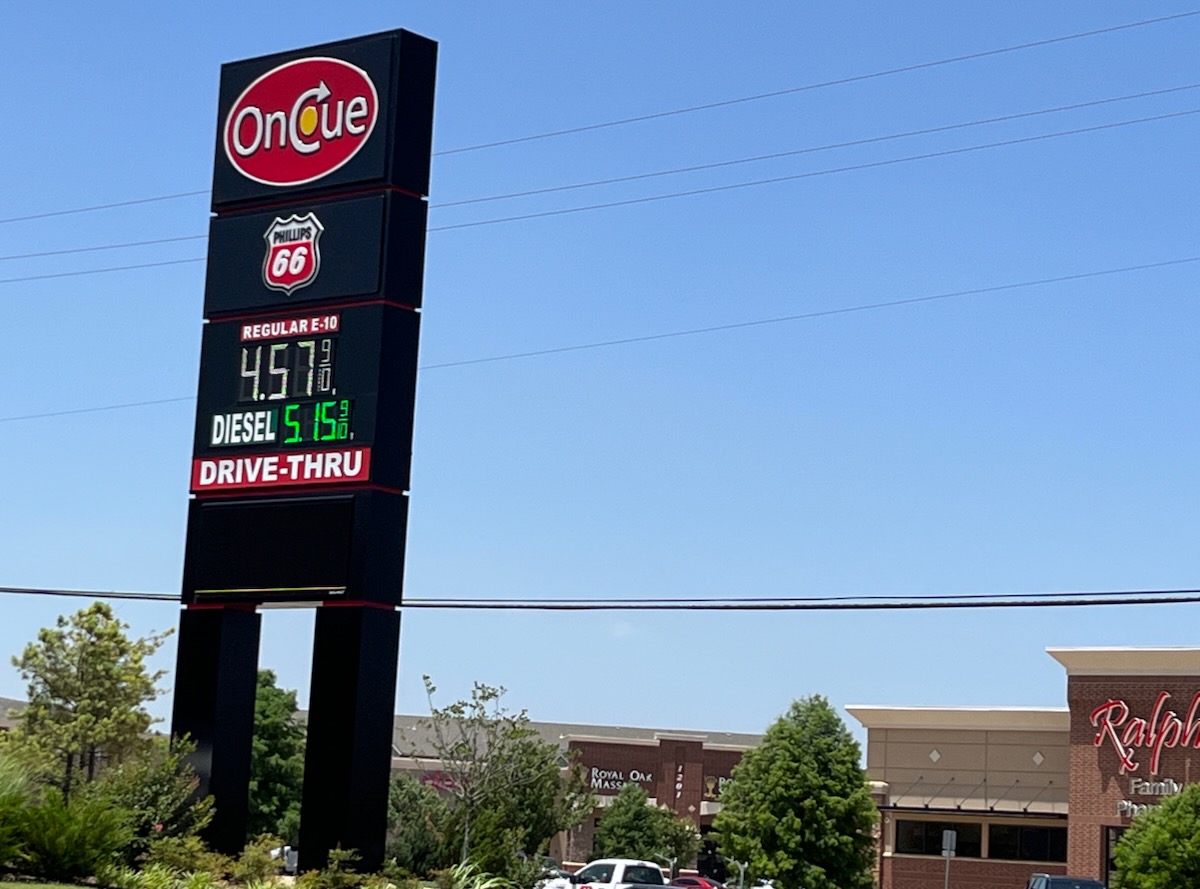
The sign shows gas prices at the OnCue at Western Ave. and Edmond Road on Tuesday morning.
As I fueled up my vehicle the other day with unleaded gas priced at the bargain price of $4.57.9 a gallon, it stirred a memory that I clearly recalled from 1973.
Gas prices were suddenly rising in the early ’70s when I heard an angry young man defiantly declare the line he was drawing in the sand. It was in a time when Americans had been comfortable for years paying 30, 40, 50 cents a gallon.
“I’ll never pay $1 for a gallon of gas,” he said.
So, how did that work out for you, fella?
I was living in Western Arkansas at the time, two years out of high school. A Sunday afternoon of what I will call sandlot football brought me into contact with a dozen or so local yahoos.
Somehow, the topic of the Arab oil embargo and gas prices became the focus of discussion among the group, when one guy defiantly declared what he would never pay for a gallon of gasoline.
Nearly 50 years later, I can still clearly hear his defiant tone and how I wondered at the time how a young man living in small town Arkansas could be so delusional.
Would he beat the $1 gas price by purchasing fuel with a gun? Hunting down robber barons in the oil industry? Committing suicide just before the price crossed over the $1 rainbow from $.99.9?
Turns out, gas prices topped $1 a gallon not too many months after the bravado that I heard on that Sunday afternoon.
So, nearly half a century later, we find ourselves in another situation where gasoline prices are setting all-time highs. I’m not assigning blame like I read from so many who think President Biden should just pull a lever and prices will fall back to $1 and some change.
In today’s world, we’re at the mercy of Putin’s war, limited refining capacity, and, well, the robber barons who control the flow.
I will say this. Climbing fuel prices are a great incentive to get people to try public transportation. Or electric vehicles.
Surely, in 2022 there’s no one foolish enough to declare that he will “never pay, uh, $6? $7?, for a gallon of gas.”
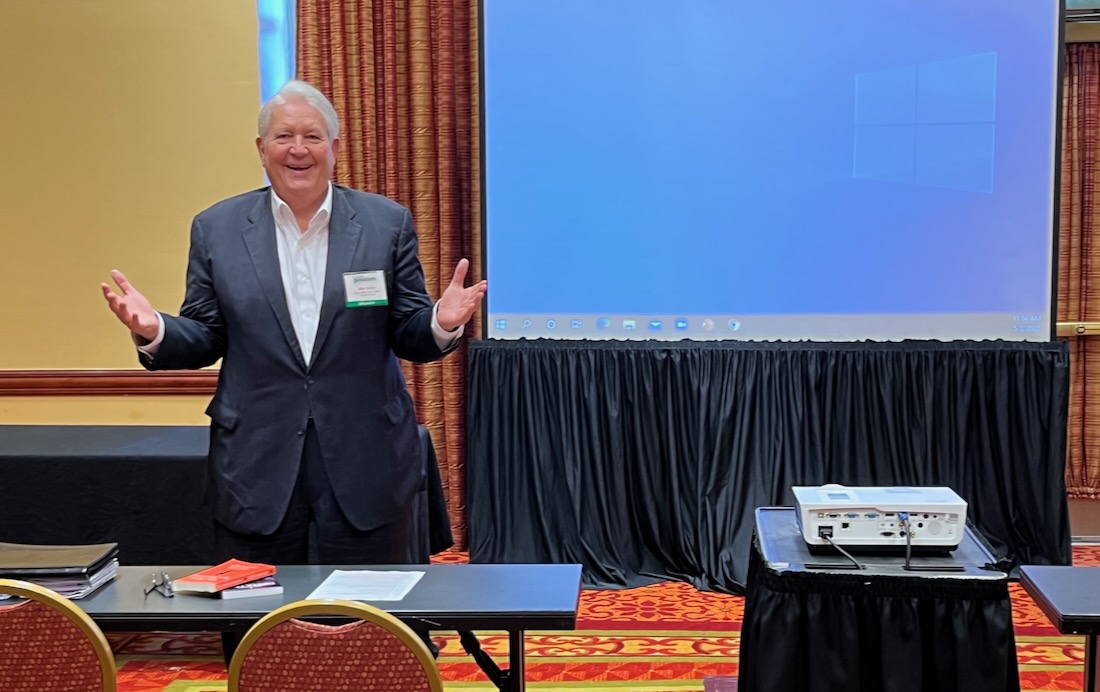
Mike Turpen before leading an educational session at a convention last week in Norman.
Life can take a surreal turn at times. Like this: One day almost two decades ago, I was standing outside a wireless telephone store across from Penn Square Mall when a big black limousine pulled up.
A door opened and I hopped in, where I was greeted by former OU football coach Barry Switzer. The King himself.
I am not making this up.
Turns out, I was the technology reporter at The Oklahoman at the time. My editor asked me to accompany Switzer as he surprised the lucky winner of a prize offered as a promotional special by the wireless telephone company.
As I sat in the seat next to Coach Switzer, he began to ask me what I did at the paper, about my family and where I grew up. When I said “Arkansas,” he reacted as though he had just found a long-lost relative.
You probably know that Switzer is an Arkansas native, the son of a bootlegger. He’s also friendly, conversational and full of stories.
We had a great time as we rode to Midwest City to pick up the winner. Switzer told me stories from his life in Arkansas and people he knew from Fort Smith, which is my hometown.
By the time the assignment was over, I felt I had known Barry Switzer for years. It was like saying goodbye to a favorite uncle as I got out of the limo.
I’ve written all of that because I met another Oklahoma legend with a big personality this past week, and it felt like deja vu all over again.
My friend Steve Buck asked me to serve as a room monitor in Norman at the spring convention of the organization he leads.
As I was stationed outside the door to my assigned room before the workshop began, I turned and found myself face to face to Mike Turpen.
If you’ve lived in Oklahoma any time at all, you know Turpen is long-time co-host of the Flashpoint issue/debate show on KFOR in OKC. He is also a former Oklahoma Attorney General and chairman of the Oklahoma Democratic Party.
“I’m the last Democrat in Oklahoma,” Turpen joked after we introduced ourselves.
As Switzer had done years ago, Turpen wanted to know about where I worked and what I had done for a career, where I was from, who my wife was and what she did. Her name is Paula, I said, and she was a school principal before retiring and now works for a non-profit organization.
“Oh, she’s famous,” he said.
I laughed. My wife later told me she’s certain she has never met Turpen.
As we stood talking in the hallway of the convention center, Turpen opened his briefcase and handed me a little booklet he has written. It is entitled “10 Qualities for Survival and Success in the New Millennium.”
I admitted to him that I had misspelled his name in the paper years ago. He brushed it off as no problem.
Turpen was a presenter at one of the workshops at the convention, so he headed to his assigned room, which was just down the hall from mine.
“May I come in and take your picture,” I asked?
“Sure,” he replied. “Just email me a copy.”
So, I took the photo that is at the top of this page and later sent him a copy from my iPhone.
“Hello Mr. Turpen” I wrote with my thumb as a greeting before spell-correct on my phone got ahold of it.
It came out “Hello Mr. Turpentine.” I failed to self-edit and hit “send.”
Turpen later sent me a “thank you” for the photo. He didn’t mention that I had misspelled his name AGAIN.
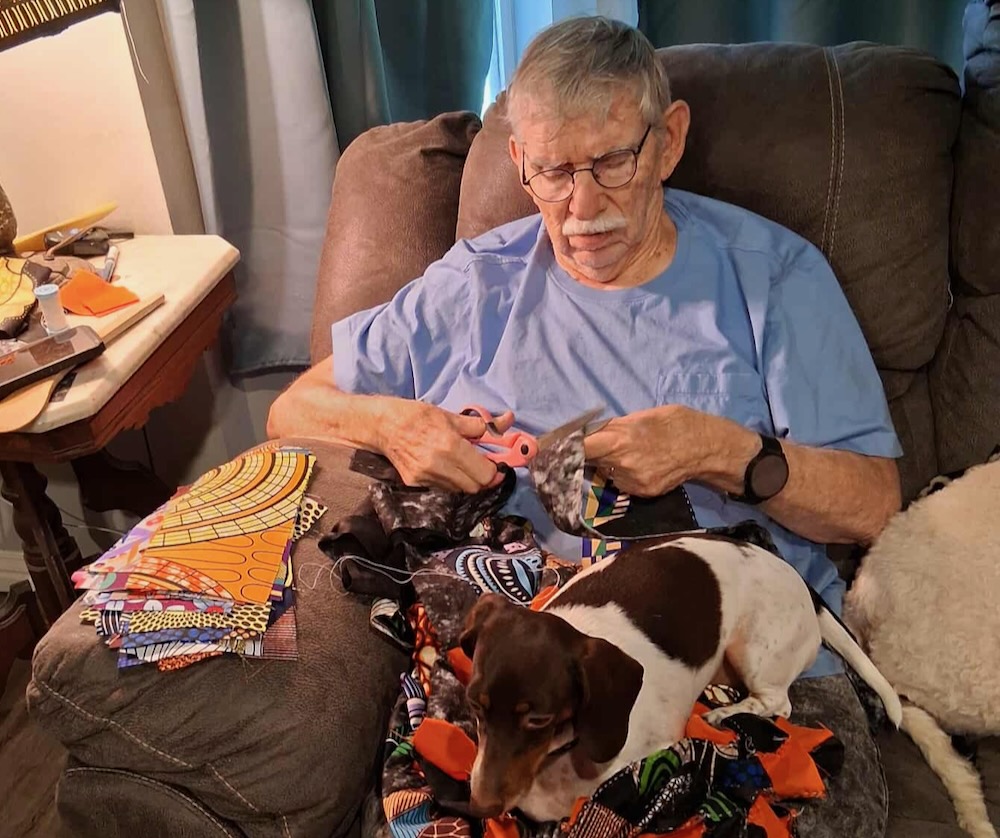
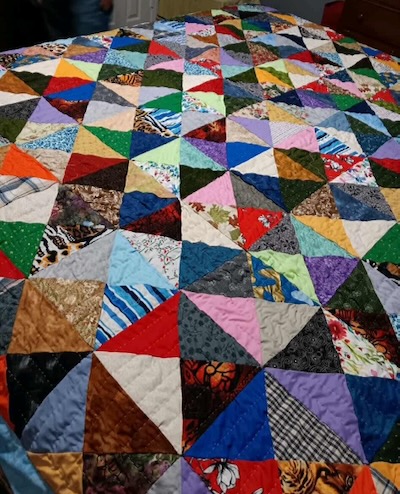 That’s right. Frank Day began hand-stitching beautiful quilts over two decades ago, and continues his quilting avocation today.
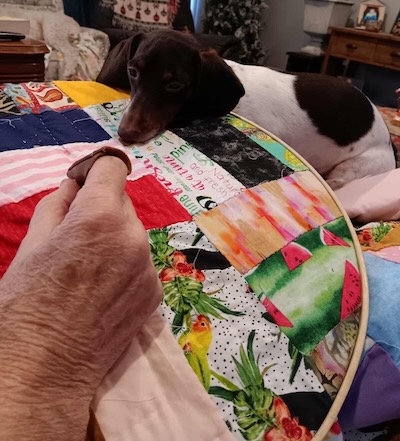 Frank uses a ‘hoop’ that he holds in his lap as he quilts. Usually, one of his favorite dogs is sitting nearby or even on his lap as he quietly works.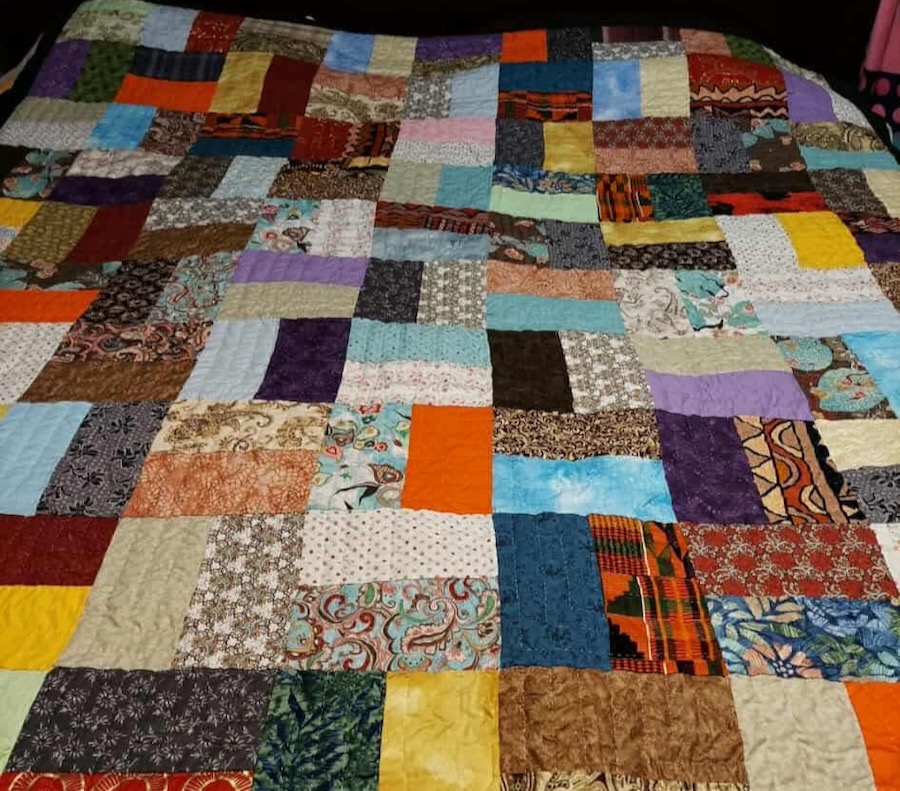
 That was the theme when 10,000 or so Hog-callers began their final caravan across the Red River and out of the Lone State after the Southwest Conference basketball tournament last March. The Razorbacks had bid adieu to their SWC step-brothers with an astounding thrashing of the Texas Longhorns for the tournament championship, and along with the Razorback women’s team, hauled away every basketball prize the league had to offer.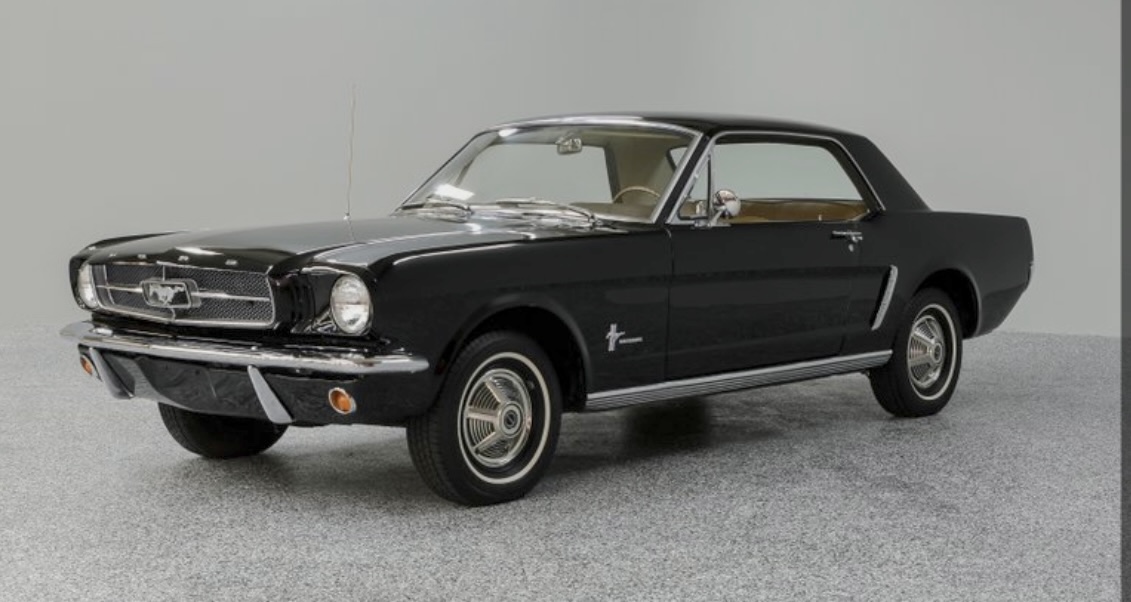
 Jim Stafford's BlogOKC