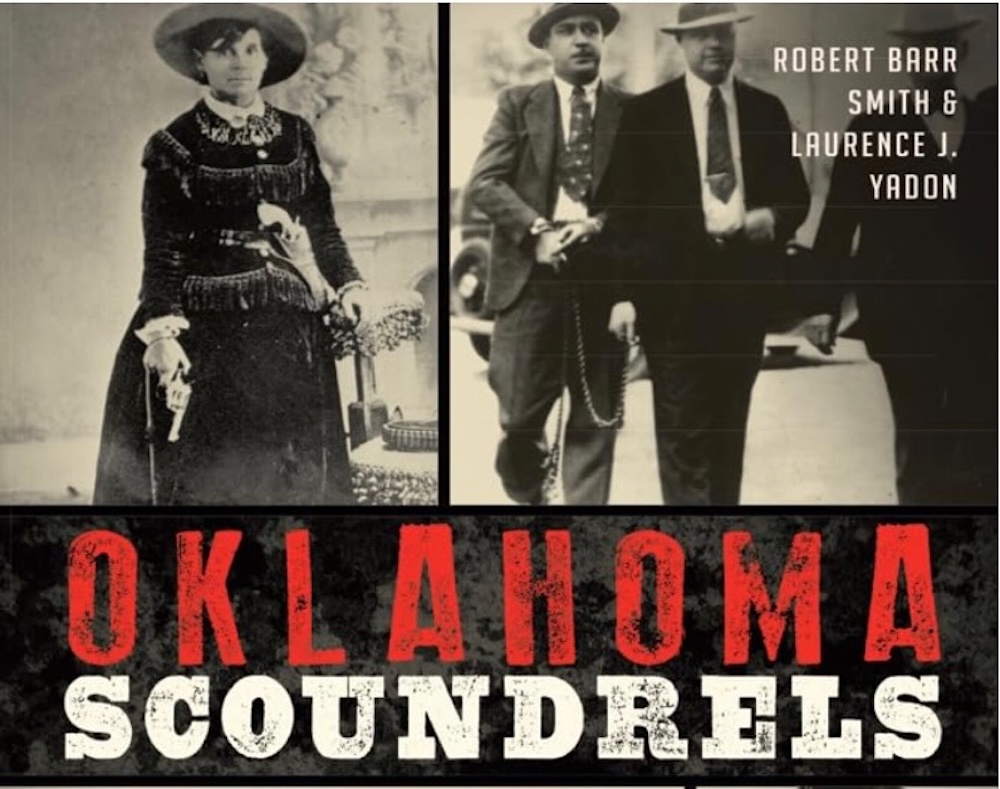
The introduction to “Oklahoma Scoundrels: History’s Most Notorious Outlaws, Bandits & Gangsters” about the state’s wild territorial days gave me a feeling of déjà vu all over again, as Yogi Berra used to say.
The book, authored by Robert Barr Smith and Laurence J. Yadon and published in 2016, describes the challenge facing Oklahoma Territory law enforcement in the late 1800s. Native American tribes relied on their own police known as the Lighthorse to keep order. The United States relied on U.S. Marshals and their deputies.
This is where the tale gets interesting, because it could have been written about eastern Oklahoma in the wild west of law enforcement in the 2020s.
Here’s a quote from the book about 1800s Oklahoma Territory law enforcement:
“Save for occasional abuses, the system worked well. Except for one problem. Tribal jurisdiction was very limited. A tribe’s Lighthorse law officer — say the Creek police — could arrest only members of his own tribe and men of other tribes who committed crimes within the Creek nation.
“The jurisdiction of the United States was similarly complex: a deputy marshal could only arrest United States citizens. A marshal could arrest an Indian only if a crime was committed against a U.S. citizen or involved alcohol (bootlegging being the perennial curse of the territory).”
Sounds familiar, doesn’t it?
The Supreme Court’s landmark McGirt decision in 2020, which recognized the sovereignty of the Muscogee (Creek) tribe and eventually expanded to the rest of the Five Civilized Tribes, created confusion among entities that provide law enforcement throughout eastern Oklahoma.
In the wake of the McGirt decision, state of Oklahoma law enforcement agencies lost authority to prosecute many crimes involving Native Americans — either as victims or perpetrators — on reservation land. Instead, federal or tribal authorities now have jurisdiction in many cases.
Major crimes such as murder or rape involving Native Americans fall under federal jurisdiction via the Major Crimes Act. Tribal courts handle misdemeanors and other offenses.
While the five tribes — Cherokee, Choctaw, Chickasaw and Seminole, in addition to Muscogee (Creek) — celebrated the decision as affirming their sovereignty, Oklahoma Gov. Kevin Stitt has been vocal in his criticism. He has been relentless in efforts to have the ruling overturned, claiming it has caused a public safety crisis in eastern Oklahoma, with criminal cases dismissed and prisoners released, as well as a threat to the state’s authority.
The tribes scoff at Stitt’s claims and say their law enforcement and courts are capable, plus they have signed enforcement agreements with multiple cities and counties across their territories in eastern Oklahoma.
A 2023 Tulsa World article focused on the ‘cross-deputization agreements,’ which allow local law enforcement agencies to jointly enforce tribal, state and federal laws.
“All Tulsa Police officers are cross-deputized with the Muscogee Nation Lighthorse and Cherokee Marshals,” the World article said. “As of 2022, the Muscogee (Creek) Nation had 63 cross-deputization agreements with entities within its sovereign boundaries.”
Back to the Oklahoma Scoundrels tale.
The book says the U.S. and tribal systems of law enforcement sometimes clashed over jurisdiction in the Oklahoma Territory. It describes a deadly shootout between U.S. Marshals and tribal court officials in eastern Oklahoma.
“The worst conflict came in 1872 near the Arkansas border at Going Snake Schoolhouse, then being used as a temporary tribal courthouse. U.S. officers tried to arrest the defendant, the court objected and the resulting shootout with court personnel, spectators and even the defendant left at least 10 men dead and the defendant on the run.”
Whoa! Ten men died over a law enforcement dispute.
Turns out, we’ve sort of replayed that confrontation in a real-world 2025 dispute. Only not as deadly.
In January of this year, a Muscogee Nation Lighthorse Police deputy chief got into a scuffle with a jailer at the Okmulgee County Jail, despite cross enforcement agreements in place.
Here’s how the Tulsa World described it:
“Body-worn camera footage from the Lighthorse officer shows jail official Matthew J. Douglas refusing the detainee, claiming that it was against the jail’s policy to accept prisoners from Lighthorse police. Some jail staff can be heard on the video saying Lighthorse officers are not ‘real police.’
“A physical altercation between Douglas and Lighthorse Deputy Chief Dennis Northcross began behind a closed door, video shows. As other Lighthorse officers tried to enter the room, a brief shoving match ensued at the door.”
Whew! At least in the 2025 version, no guns were drawn or officers from either side gunned down.
You know that old saying about history repeating itself. Well, it happens.
And that’s why I have déjà vu, all over again.
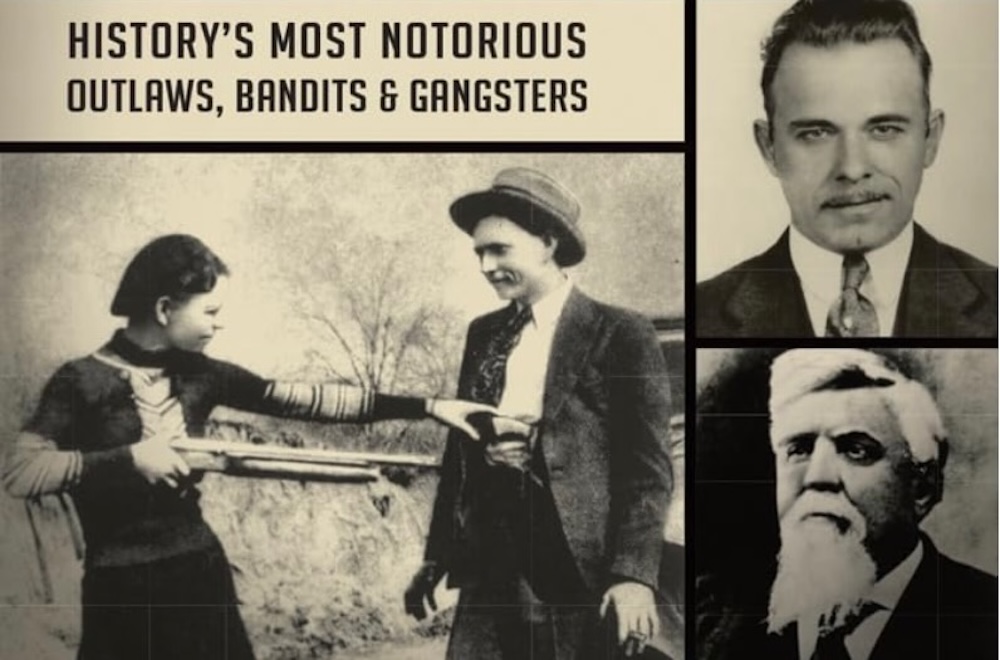
 SPONSORED CONTENT: I came across Oklahoma Scoundrels while researching books on Oklahoma Outlaws for my mother in-law. Once I got into the book, from the first chapter on Belle Starr, I couldn’t put it down. It is captivating content on well known and not-so-well known Oklahoma Territory criminals from the 1800s. Buy it at Amazon and read for yourself. https://amzn.to/4medMMW

 Jim Stafford's BlogOKC