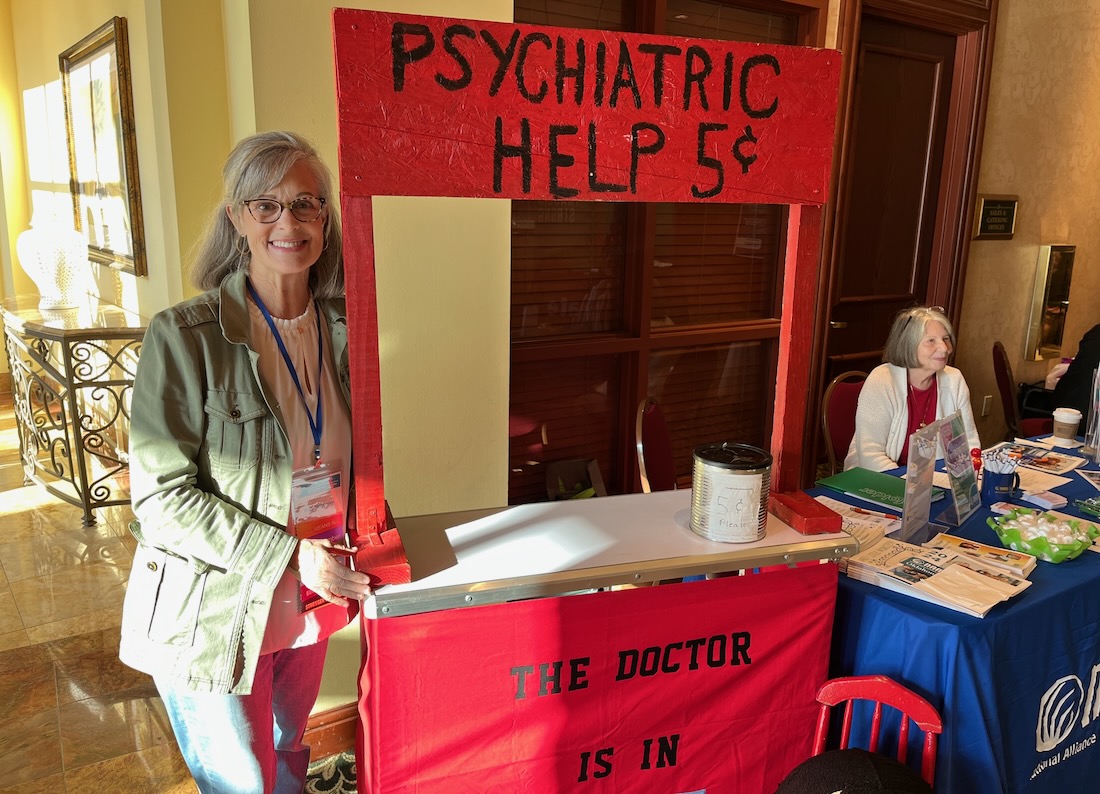
This past weekend, I heard stories about the heartache, disruption and pain caused by the impacts of mental illness on families and their loved ones.
I also heard that there is hope for those suffering.
NAMI Oklahoma held its 2024 Annual Conference in Tulsa on Saturday, and because my wife works for the organization, I tagged along. NAMI is the National Alliance on Mental Illness, an organization that works to end the stigma of mental illness.
NAMI doesn’t provide therapy, but helps connect those in need with critical services, as well as with support from their peers in similar situations.
Our family is among those that have been impacted by mental illness, so I found the conference and its many speakers and topics relevant to our situation.
There were roughly 150 folks in attendance, plus about two dozen vendors who showcased their support at tables outside the meeting rooms.
My intentions were to hear presentations by a couple of folks I know, then take care of our 5 year-old grandson, Solomon, who came with us.
The first presentation I heard was that of Neal Nordlinger in the day’s first breakout session. I’ve had a lot of connections with Neal through the years, first when I worked at i2E, the OKC-based not-for-profit that mentors entrepreneurs and startups. And now I know him as the husband of my friend and former co-worker, Clytie Bunyan.
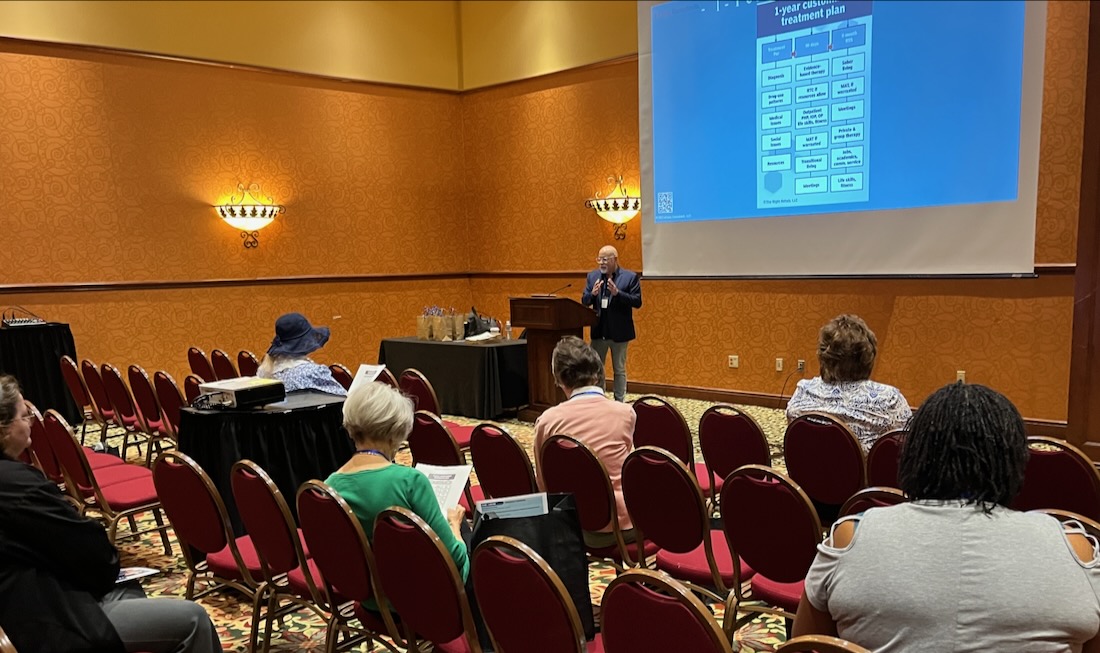
Anyway, Neal told his audience about how he was confronted with consequences of addiction at 3 a.m. one morning when he received a call that his son was in crisis. He needed to find a treatment center for his son, but didn’t know where to start.
That call started Neal down a path of discovery, where he learned about recovery and rehab centers that treat not only for drug and alcohol addiction, but also provide treatment for mental health conditions.
In his quest, Neal gained so much knowledge about the nation’s rehab industry that he wrote a book called “The Right Rehab,” and founded a business called InCrisis Consultants to help others. He shared with us insight into finding a rehab center that has a good reputation, the required certifications and fits our insurance and financial situation.
It’s quite a maze, which I know from past experience of our family.
As an aside, my daughter, Sarah, has worked for rehab centers in Florida for the past couple of years. I’m proud that she’s discovered her mission in life from her own challenges.
After his presentation, I told Neal that everyone at the conference should have heard him speak, and for good reason. Everyone was there because they have a loved one with addiction, mental health challenges or have gone through them personally.
There is a big rehab knowledge gap for most of us that Neal addressed.
Later in the day, I heard my friend Preston Northcraft deliver an impassioned presentation on turning the pain associated with a mental health condition into something positive.
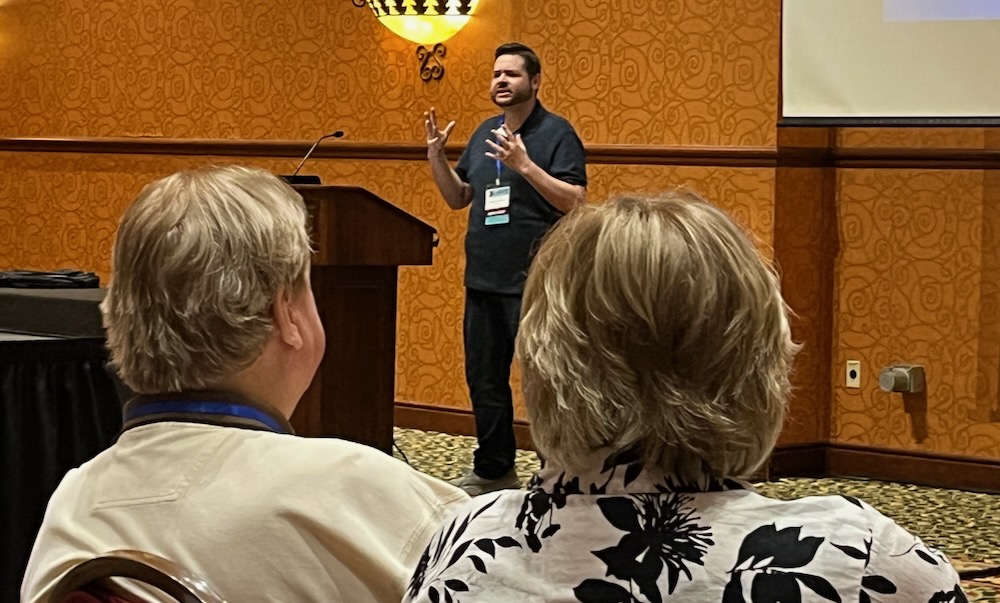
That’s exactly what Preston, who suffers from a bipolar condition and gambling addiction, has done. He delivered a message of hope for other young people by assuring them they are not alone in their condition, and offered steps to overcome mental health challenges and live a successful life.
Preston has also written a couple of books about mental illness. HIs presentation showed that he has emerged as an engaging speaker. He turned his pain into a positive.
Finally, for me, the most impactful story I heard at the conference was that of keynote speaker, Dr. Christine Kunzweiler, a veterinarian and wife of Tulsa District Attorney Steve Kunzweiler.
Dr. Kunzweiler shared the story of the journey her family has been on after her daughter, while in the midst of mental health crisis in 2022, stabbed her father, Steve Kunzweiler. The incident resulted in the Kunzweiler’s daughter serving a long period in jail before eventually being found not guilty by reasons of mental impairment.
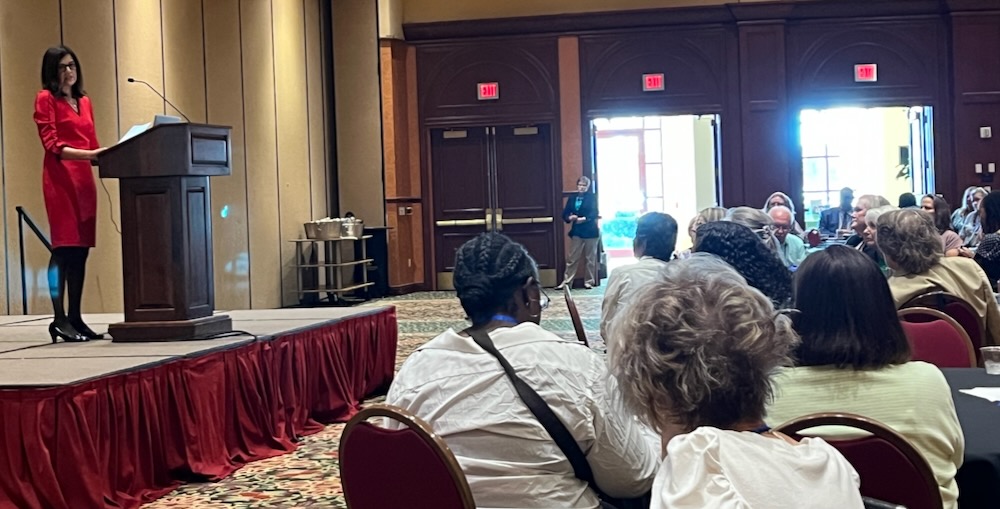
The mental illness her daughter suffered from and the family crisis it created inspired both Dr. Kunzweiler and her husband to become advocates for mental health reforms and services.
While Steve Kunzweiler survived the incident with minor wounds, it is a similar story — but less tragic — to that of Oklahoma Labor Commissioner Mark Costello. Many Oklahomans are familiar with the story of how Costello lost his life when he was stabbed to death by his son, who suffered from a severe mental illness.
Today, Mark Costello’s wife, Cathy Costello, has become a fierce advocate for crisis intervention and speaks frequently on the subject.
I came away from Dr. Kunzweiler’s speech grateful that she’s willing to share her family’s story in a public way when there is still such a stigma surrounding mental illness.
Her experience and story provided something her audience needed to hear — that we are not alone in our challenging situations. Many others face the same challenges.
She gave us hope that we can emerge from dark days with a new purpose and shine a light to help end the stigma of mental illness.

 Jim Stafford's BlogOKC
I think this post can maybe help point folks in the right direction, Jim. You are right. I don’t think I know of a single family that hasn’t been affected by mental illness.
I’m the friend. It’s a precarious tangled web for those beset with mental illness. It can go from no harm to self or others to a very dangerous situation in a flash. Even under court oversight with a case manager signing for a pick up order it can take a week before deputies can execute it. In the meantime a path of destruction and peril can take place. Resources are sorely needed. I am waiting now to hear if Laureate has a discharge of a patient planned for today because they are full. At Laureatte a patient is safe while their medication is lined out. It’s a delicate balancing act as one can make you too hyper while another can make you too depressed. The goal is a healthy stand mind. Tulsa Venter for Behavioral Health also suffers from too few beds. They are currently beginning to add beds. But for now, the goal is simply to get them stable enough for awhile do they are no longer a danger to self or others. Bottom line is there is no legal authority to compel a person to be in a mental hospital just because the person is psychotic. Our best is not being reached. We need better. I’m willing to help if possible. Lynn Lugibihl
A friend in Tulsa just called this morning about her efforts to help a 23 yo woman with bipolar disorder. This blog couldn’t have come at a better time. I intend to share it w/ her. TY